
Spotting early signs of basement water damage can save you time, money, and a lot of stress. Homeowners and property managers who address problems early avoid bigger structural repairs later. This guide walks you through the common visual, sensory, and structural indicators that mean your basement needs professional waterproofing not just a temporary patch. You’ll also learn why professional solutions matter and how A.M. Shield Waterproofing diagnoses and fixes these issues for lasting protection.
What Are the Most Common Visible Signs of Basement Water Damage?
 Visible signs are often the first clue that water is getting where it shouldn’t. Look for water stains, cracks in walls or floors, and efflorescence — the white, powdery residue on masonry. These clues indicate moisture intrusion; left unchecked, this moisture can fuel mold growth and compromise structural elements.
Research confirms efflorescence is a reliable indicator of ongoing moisture movement.
Efflorescence: A Clear Sign of Moisture Movement
Efflorescence forms when water carries dissolved salts to a masonry surface; as the water evaporates, the salts remain and appear as a white deposit. Because water is required for this process, efflorescence signals that moisture has moved through the wall.
White efflorescence on brick masonry and concrete masonry blocks, with special emphasis on sulfate efflorescence on concrete blocks, 2004
How Do Water Stains Indicate Basement Moisture Problems?
Water stains typically appear as darker patches or discolorations on walls and floors, indicating that water has penetrated the surface. Common places to find stains are wall corners, window wells, and around plumbing. These stains are a practical warning: moisture is present and, unless corrected, can lead to mold and material deterioration.
What Types of Foundation Cracks Signal Waterproofing Needs?
Not every crack is urgent, but some require immediate attention. Hairline cracks can be cosmetic; larger or shifting cracks — diagonal cracks, stair-step patterns in brick, or wide gaps suggest structural movement or water pressure and often call for professional waterproofing. Evaluating the crack pattern and size helps determine whether a simple patch will do or if you need a long-term fix.
How Can Sensory Clues Reveal Basement Moisture Issues?
Your senses can reveal hidden moisture problems. Musty odors, a damp feeling, or persistent humidity are strong indicators that water is present and creating conditions for mold and poor indoor air quality. Noticing these signs early lets you act before problems worsen.
What Causes a Musty Basement Smell and How Is It Linked to Mold?
A persistent musty smell usually means mold or mildew are growing in a damp environment. That moisture can come from leaks, high humidity, or poor ventilation. Mold not only affects air quality and health, it also accelerates building material decay. Fixing the moisture source is the only reliable way to eliminate the odor and stop mold growth.
The link between damp basements and indoor air quality issues — especially mold — is well documented.
Mould & Damp Basements: Indoor Air Quality Risks
Microbial growth (commonly called mould) contributes to indoor air pollution when moisture is present. Typical moisture sources include leaks, flooding, wet basements, window condensation, visible mould, and damp spots.
WHO guidelines for indoor air quality: dampness and mould, 2009
How Does Dampness Affect Basement Walls and Air Quality?
Ongoing dampness weakens walls and finishes and creates a breeding ground for mold, which harms air quality. Over time, damp materials can rot, warp, or lose structural strength. Proper drainage, ventilation, and waterproofing reduce these risks and help keep your home healthy.
Which Structural and Indirect Signs Suggest Professional Waterproofing Is Required?
Beyond visible and sensory clues, some structural indicators point to serious water-related problems that need professional intervention. These signs often mean water intrusion has become more than a surface issue and requires a durable solution.
Why Are Bowing or Leaning Walls a Serious Warning Sign?
Bowing or leaning walls usually indicate significant pressure from saturated soil or poor drainage. Hydrostatic pressure can push walls inward and, if left untreated, lead to failure. If you see bowed walls, consult a professional promptly to evaluate stabilization and waterproofing options.
How Does Rust on Pipes and Appliances Indicate Moisture Problems?
Rust on metal in the basement signals persistent moisture and oxygen exposure. Rust can point to hidden leaks or long-term damp conditions that may damage plumbing and appliances. Treating the moisture source and installing proper waterproofing prevents further corrosion and costly replacements.
Why Is Professional Basement Waterproofing Essential Beyond Simple Repairs?
DIY fixes can be tempting, but they often address symptoms rather than causes. Professional waterproofing provides a comprehensive approach designed to stop water at the source and protect your home for years to come.
A well-planned waterproofing system is critical for long-term performance and durability.
Design Matters: Waterproofing for Long-Term Durability
Effective basement waterproofing begins with assessing groundwater conditions and designing a system that addresses those site-specific risks. A thoughtfully designed, cost-effective system is far more durable than short-term surface fixes.
Ground water assessment and the design of basement waterproofing, 2023
What Are the Limitations of DIY Repairs for Basement Water Issues?
DIY repairs—sealing cracks or applying waterproof paint—can provide a temporary appearance of relief but rarely solve the underlying problem. Without a proper diagnosis and system-level repairs, leaks often return, and recurring fixes add up in cost and inconvenience.
How Do Professional Solutions Provide Long-Term Protection and Warranty?
Professional waterproofing includes a thorough inspection, a clear estimate tailored to your home, and installation of proven systems backed by warranties. That investment delivers reliable, long-term protection and the peace of mind that comes with a guarantee.
How Does A.M. Shield Waterproofing Diagnose and Address Early Basement Water Signs?
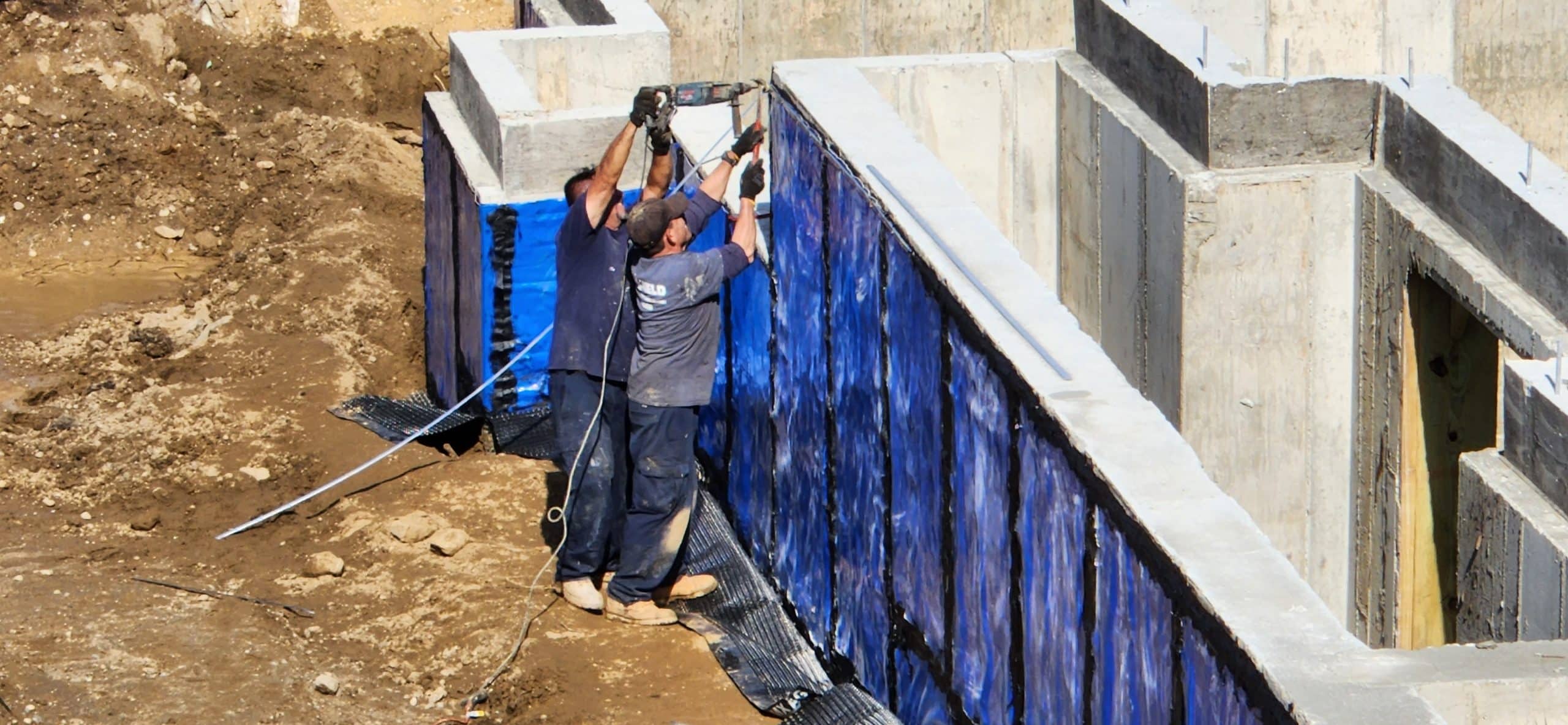 A.M. Shield Waterproofing uses a proven process to find the source of basement moisture and recommend the right fix. Our nationally Certified Waterproofing Specialists (C.W.S.) perform detailed inspections and provide practical, prioritized solutions that protect your foundation and your living space.
What Customized Services Does A.M. Shield Offer for Foundation Crack Waterproofing?
We offer targeted solutions for foundation cracks, including professional crack injection and tailored drainage installations. Each service is selected to seal cracks effectively and prevent future water intrusion, preserving the long-term integrity of your foundation.
How Do Certified Specialists Use Inspections to Tailor Basement Moisture Solutions?
Our specialists evaluate drainage patterns, soil conditions, and existing damage to design a waterproofing plan for your property. That inspection-led approach ensures the solution fits your home’s specific needs—no one-size-fits-all repairs.
| Service | Limitation | Benefit |
|---|---|---|
| DIY Repairs | Often cosmetic and short-term | Low cost and quick, but may return |
| Professional Waterproofing | Higher upfront cost | Durable protection and warranty |
| Foundation Crack Injection | Requires professional expertise | Seals cracks effectively and prevents leaks |
In short, recognizing early basement water signs lets you act before minor issues become major problems. By watching for visible stains, sensory clues, and structural changes—and by choosing inspection-driven, professional waterproofing—you protect both your home and your health. A.M. Shield Waterproofing is here to assess your situation and install the right solution so your basement stays dry and secure.
Frequently Asked Questions
What are the potential health risks associated with mold in a damp basement?
Mold growth in a damp basement can lead to various health issues, particularly respiratory problems. Individuals with allergies, asthma, or weakened immune systems are especially vulnerable. Exposure to mold spores can cause symptoms such as coughing, sneezing, and skin irritation. Long-term exposure may lead to more severe health complications, including chronic respiratory conditions. It’s crucial to address moisture issues promptly to prevent mold growth and protect the health of all occupants in the home.
How can I prevent water damage in my basement before it starts?
Preventing water damage in your basement begins with proper drainage and maintenance. Ensure gutters and downspouts direct water away from the foundation. Regularly inspect and maintain your home’s drainage systems, including sump pumps and French drains. Additionally, consider landscaping that slopes away from the house and sealing any cracks in the foundation. Installing a dehumidifier can also help control humidity levels, reducing the risk of moisture-related issues.
What should I do if I notice water damage in my basement?
If you notice water damage in your basement, it’s essential to act quickly. First, identify the source of the moisture and address it immediately, whether it’s a leak, condensation, or poor drainage. Remove any standing water and dry out the affected areas to prevent mold growth. Document the damage for insurance purposes and consult a professional waterproofing service to assess the situation and recommend appropriate repairs to prevent future issues.
How often should I have my basement inspected for water issues?
It’s advisable to have your basement inspected for water issues at least once a year, especially if you live in an area prone to heavy rainfall or flooding. Additionally, consider scheduling an inspection after significant weather events or if you notice any signs of moisture, such as stains or musty odors. Regular inspections can help catch potential problems early, allowing for timely repairs and preventing costly damage in the long run.
What are the costs associated with professional basement waterproofing?
The cost of professional basement waterproofing can vary widely based on several factors, including the size of the basement, the extent of the water damage, and the specific waterproofing solutions required. On average, homeowners can expect to pay between $1,500 and $5,000 for comprehensive waterproofing services. While this may seem like a significant investment, it can save you from more extensive repairs and health issues related to water damage in the future.
Can I waterproof my basement myself, or should I hire a professional?
While some minor waterproofing tasks can be done by homeowners, such as sealing small cracks or applying waterproof paint, hiring a professional is often the best choice for comprehensive solutions. Professionals have the expertise to identify underlying issues and implement effective, long-lasting waterproofing systems. DIY methods may provide temporary relief but often fail to address the root cause of water intrusion, leading to recurring problems and additional costs.

A.M. Shield Waterproofing recently awarded the Basement Health Association STAR Award for exceptional customer care for the fifth year in a row. Servicing Long Island, NYC and Westchester with Nationally Certified Waterproofing and Mold Remediation Specialists they are able to provide the highest level of professional solutions. A.M. Shield has the widest range of services available to property owners in the greater New York area utilizing multiple techniques in exterior foundation waterproofing, interior drainage, foundation crack injections and foundation repair solutions,. A.M. Shield™s environmental division will assess the damage, repair the problem and create a healthy environment for property owners who experience mold or moisture problems.
