
Have you ever dealt with the headache of moisture damage in your home? Effective moisture control is critical, especially at the foundation where the sill plate meets the slab. This post delves into the significance of sill plate drainage as a key player in safeguarding your home from the damaging effects of rain and moisture. We’ll guide you through identifying common moisture issues, implementing robust drainage systems, and maintaining them to ensure your home stays dry and damage-free. By understanding the role of materials like foam in creating a moisture-resistant barrier and adapting solutions to your specific climate, you’ll be equipped to tackle moisture head-on, ensuring the longevity of your home’s structure.
Understanding the Importance of Sill Plate Drainage in Moisture Control
Sill plates serve as a critical juncture between a building’s foundation and its superstructure, with moisture control being paramount for their preservation. When moisture infiltrates sill plates, it can compromise drywall, affect screed height, and disrupt entire moisture control systems. This section delves into the role of sill plates, the impact of moisture on these components, and the structural consequences of inadequate drainage. Readers will gain practical insights into safeguarding their building’s integrity through effective sill plate drainage solutions.
The Role of Sill Plates in Building Structures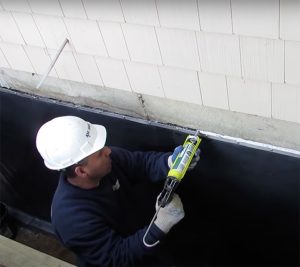

Sill plates, often referred to as sole plates or mud sills, are the horizontal components that anchor a building’s frame to its foundation. They are typically fastened with screws or adhesives to create a stable base for the vertical elements of the structure, such as walls and columns. The integrity of sill plates is crucial as they bear the load of the building above and distribute it evenly across the foundation, ensuring the structure’s stability and longevity.
In regions where brick construction is prevalent, sill plates must be meticulously installed to prevent moisture ingress that can lead to structural decay. Effective drainage solutions, including properly installed weep holes, are essential to divert water away from these critical junctures. By addressing the potential for water accumulation, homeowners and builders can protect the building from costly damage and maintain a robust defense against the elements.
How Moisture Affects Sill Plates
When moisture seeps into sill plates, it can cause the wood to swell and rot, compromising the structural integrity of the joists that rest upon them. A bead of silicon along the seam where the sill plate meets the foundation acts as a barrier, preventing water from wicking up into the wood. This simple yet effective measure not only extends the life of the sill plate but also upholds the warranty of many building materials by mitigating moisture-related damage.
Furthermore, proper sill plate drainage is essential near window openings where water can easily collect and seep into the structure. By integrating a well-designed drainage system that channels water away from these vulnerable areas, builders ensure that the sill plates remain dry and intact. This proactive approach to moisture control not only preserves the building’s framework but also provides peace of mind to homeowners, knowing their investment is protected against water-induced deterioration.
Consequences of Poor Drainage on Structural Integrity
Poor drainage around the perimeter of a building can lead to a host of structural issues, particularly if water infiltrates the crawl space. Without a proper drainage system, water can accumulate and persist, fostering an environment ripe for mold growth and wood rot. The installation of a vapor barrier and adequate drainage solutions are critical in preventing moisture from compromising the building’s foundation and the wooden structures above.
A leak in the foundation, if left unaddressed, can cause water to pool around the sill plates, weakening the building’s structural integrity over time. It’s essential for builders to incorporate a robust drainage system that directs water away from the foundation, ensuring the longevity of the sill plates and the overall stability of the structure. Homeowners benefit from these preventative measures, as they safeguard against costly repairs and maintain the value of their property.
Identifying Moisture Problems Related to Sill Plates
Identifying moisture issues in sill plates is crucial for maintaining a healthy home environment and structural integrity. Common signs of moisture accumulation include discoloration, warping, and the presence of mold or mildew. Assessing damage caused by water infiltration is essential, as capillary action can lead to significant water damage, inviting termite infestation and other pest control challenges. Moreover, persistent moisture can negatively impact indoor air quality and health. Each subsequent section will delve into these concerns, offering practical advice on recognizing and addressing the effects of moisture on sill plates.
Common Signs of Moisture Accumulation
Spotting the early signs of moisture accumulation is crucial in construction to prevent long-term damage. Discoloration or darkening of the wood in the yard adjacent to the sill plate often indicates that water has begun to infiltrate the area. Homeowners may also notice a musty odor, a telltale sign of elevated humidity levels within the structure, suggesting that moisture control measures may be compromised.
Another indicator of moisture problems is the presence of insects, which are attracted to damp environments close to the earth. Termites, in particular, thrive in moist wood, and their activity can be a red flag for underlying moisture issues. It’s imperative for builders and homeowners to regularly inspect sill plates for these signs to ensure the integrity of the construction and the health of the living space.
Assessing Damage Caused by Water Infiltration
Assessing the extent of water damage to sill plates requires a keen eye for detail, particularly in structures with concrete foundations. The presence of efflorescence—a white, powdery substance—on concrete or masonry surfaces near sill plates often signals that water has passed through the material, leaving behind mineral deposits. This symptom suggests that the existing moisture barrier may be compromised, necessitating a thorough evaluation of the membrane and the implementation of corrective measures to prevent further infiltration.
In cases where sill plates rest on concrete blocks, it’s vital to check for signs of moisture penetration, such as dampness or a distinct musty odor emanating from the wood. Prolonged exposure to moisture can lead to the deterioration of both the concrete block and the wood, undermining the structural integrity of the building. Professionals may recommend the installation of a new waterproofing system or the repair of the existing one to ensure that the sill plates—and the structure they support—remain dry and secure.
Impact on Indoor Air Quality and Health
Moisture issues stemming from blocked sill plate drainage can significantly degrade indoor air quality, leading to health concerns for occupants. When moisture penetrates the wall assembly, it creates an environment conducive to mold and mildew growth, which can release spores into the air. These airborne contaminants are known to exacerbate allergies and respiratory conditions, emphasizing the need for a reliable sealant to maintain a dry and healthy living space.
Furthermore, the integrity of beams and other structural elements can be compromised by persistent dampness, which not only affects the building’s stability but also the air that circulates within. Wind-driven rain can exacerbate the problem by forcing moisture through unsealed openings, underscoring the importance of comprehensive moisture control strategies. By ensuring proper sill plate drainage, one can safeguard both the physical structure and the well-being of its inhabitants.
Effective Sill Plate Drainage Solutions
Effective moisture control hinges on the strategic implementation of sill plate drainage solutions. Designing proper drainage systems for new constructions lays the groundwork for a moisture-resistant foundation. Retrofitting existing buildings with drainage enhancements is equally critical to address any vulnerabilities. Selecting materials that offer optimal moisture resistance, such as stucco, ensures the system withstands pressure and the test of time. These approaches collectively extend the lifespan of sill plates, fortifying the building against water damage.
Designing Proper Drainage Systems for New Constructions

When constructing new buildings, integrating a French drain system at the foundation level is a proactive step towards effective moisture control. This involves trenching around the perimeter and filling it with crushed stone, which acts as a conduit for water to flow away from the sill plates. The use of metal or PVC piping within the stone further enhances drainage, ensuring that moisture is directed away from the lumber, thereby preserving the structural integrity of the building.
For optimal moisture management, the design of sill plate drainage should also consider the slope of the surrounding land. Ensuring that the grade slopes away from the foundation prevents water from pooling near the base of the structure. Drains installed at strategic points can collect and redirect water, minimizing the risk of it seeping into the sill plates and causing potential damage to the metal fasteners and lumber components critical to the building’s framework.
Retrofitting Existing Buildings With Drainage Enhancements
Retrofitting existing buildings with enhanced drainage systems is a strategic move to combat moisture issues that can lead to mildew and structural damage. By introducing additional permeability measures, such as installing a new drainage pipe or improving the grading around the foundation, property owners can significantly reduce the risk of water pooling in critical spaces. These modifications not only address current moisture problems but also act as a preventative measure, ensuring the longevity of the building’s sill plates and overall structure.
For buildings with persistent dampness in the crawl space or basement, upgrading the drainage system can transform a vulnerable area into a dry, functional space. Implementing solutions like sump pumps or backwater valves can effectively redirect water away from the foundation, safeguarding against the infiltration that leads to wood rot and compromised structural integrity. These practical enhancements provide peace of mind to homeowners and preserve the health of the building for years to come.
Selecting Materials for Optimal Moisture Resistance
Choosing the right materials for sill plate installation is a decisive factor in ensuring optimal moisture resistance. For instance, selecting a window sill made from naturally water-resistant wood or treated lumber can significantly reduce the risk of moisture damage. In basements, where dampness is a common issue, incorporating a dehumidifier can help maintain a dry environment, protecting the sill plates from potential water intrusion.
When considering moisture control in areas with high water tables or near large trees, installing a sump pump can be an effective solution to prevent water from accumulating around the foundation. This proactive measure not only protects the sill plates from moisture but also contributes to the overall health of the building’s structure, ensuring a solid and dry base for years to come.
Conclusion
Effective moisture control through sill plate drainage is essential for maintaining the structural integrity of a building, preventing the costly consequences of water damage. By implementing proper drainage systems and using moisture-resistant materials, homeowners can protect their property from the risks of mold, wood rot, and foundation decay. Regular inspections and maintenance of drainage solutions are critical in ensuring long-term protection against moisture intrusion. Ultimately, investing in professional sill plate drainage services can save homeowners from future repairs and preserve the value of their homes.

A.M. Shield Waterproofing recently awarded the Basement Health Association STAR Award for exceptional customer care for the fifth year in a row. Servicing Long Island, NYC and Westchester with Nationally Certified Waterproofing and Mold Remediation Specialists they are able to provide the highest level of professional solutions. A.M. Shield has the widest range of services available to property owners in the greater New York area utilizing multiple techniques in exterior foundation waterproofing, interior drainage, foundation crack injections and foundation repair solutions,. A.M. Shield™s environmental division will assess the damage, repair the problem and create a healthy environment for property owners who experience mold or moisture problems.
