
Addressing a leaking basement requires a comprehensive approach that addresses both the underlying causes of water infiltration and the resulting damage. Here are some effective solutions for preventing and mitigating basement leaks:
- Foundation Waterproofing: Proper waterproofing of the foundation walls and floors is essential for preventing water infiltration into the basement. This may involve applying waterproof coatings or sealants to the exterior of the foundation walls, installing exterior drainage systems such as French drains or weeping tiles, and repairing any cracks or leaks in the foundation.
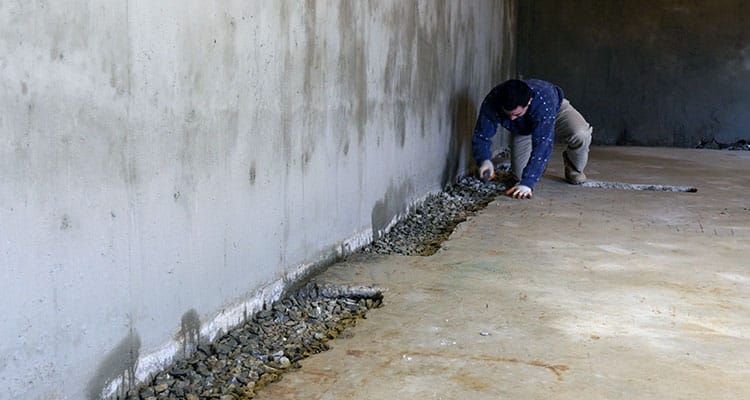
- Interior Drainage Systems: Installing interior drainage systems such as perimeter drains or French drains along the interior perimeter of the basement floor can help collect and channel water away from the foundation. These systems direct water to a sump pump or gravity drain system for removal, preventing it from pooling on the basement floor and causing leaks.
- Sump Pump Installation: Installing a sump pump in the basement is an effective way to remove excess water and prevent flooding during periods of heavy rainfall or groundwater seepage. A sump pump is typically installed in a sump pit or basin at the lowest point of the basement floor and is equipped with a float switch that activates the pump when the water level rises above a certain threshold.
- Exterior Drainage Improvements: Improving exterior drainage around the home can help prevent water from accumulating near the foundation and infiltrating the basement. This may include ensuring proper grading of the soil away from the foundation, installing and maintaining gutters and downspouts to direct rainwater away from the home, and addressing any landscape features that may contribute to water accumulation.
- Plumbing Maintenance: Regularly inspecting and maintaining plumbing fixtures, pipes, and appliances in the basement can help prevent leaks and water damage. This includes checking for signs of corrosion, rust, or deterioration, repairing any leaks promptly, and replacing worn or damaged components as needed.
- Proper Ventilation: Improving ventilation in the basement can help reduce humidity levels and prevent condensation, which can contribute to moisture problems and mold growth. Installing exhaust fans or dehumidifiers, opening windows and doors periodically to allow fresh air to circulate, and sealing any gaps or cracks in the basement walls or floors can help improve airflow and ventilation.

- Professional Inspection and Repair: If you suspect a leaking basement or are experiencing water infiltration issues, it’s important to seek professional help. A qualified contractor or waterproofing specialist can conduct a thorough inspection of the basement, identify the underlying causes of water infiltration, and recommend appropriate repair solutions to address the problem effectively.
A leaking basement is a common problem faced by many homeowners, but it can be effectively addressed with the right combination of prevention strategies and repair solutions. By understanding the causes of basement leaks, the risks associated with them, and the available solutions, homeowners can take proactive steps to protect their properties and maintain a dry, healthy basement environment. Investing in proper waterproofing, drainage, plumbing maintenance, ventilation, and professional inspection and repair can help prevent basement leaks and ensure the long-term integrity and value of the home.
Contact the Professionals at A.M. Shield Waterproofing Today! (516) 294-8400

A.M. Shield Waterproofing recently awarded the Basement Health Association STAR Award for exceptional customer care for the fifth year in a row. Servicing Long Island, NYC and Westchester with Nationally Certified Waterproofing and Mold Remediation Specialists they are able to provide the highest level of professional solutions. A.M. Shield has the widest range of services available to property owners in the greater New York area utilizing multiple techniques in exterior foundation waterproofing, interior drainage, foundation crack injections and foundation repair solutions,. A.M. Shield™s environmental division will assess the damage, repair the problem and create a healthy environment for property owners who experience mold or moisture problems.
