
In modern residential construction, protecting one’s basement and foundation from storm-caused flooding is of paramount importance. One technological solution that has significantly reduced water damage is the battery backup sump pump system. This system mitigates risks associated with power outages during heavy rainfall, ensuring continuous water removal even when primary pumps fail. With an increasing number of severe weather events and aging infrastructure in many regions, the risk of sump pump failure is a growing concern among homeowners. The battery backup sump pump system not only acts as a failsafe to prevent water accumulation but also provides homeowners with peace of mind regarding water supply interruption and potential structural damage. The system’s design integrates an independent battery, often paired with advanced monitoring features and self-charging capabilities, thereby assuring that even when the main electrical supply is compromised, the basement remains safeguarded against floods and water-induced corrosion.
Understanding the Core Function of a Battery Backup Sump Pump
The primary function of a battery backup sump pump is to secure a continuous water removal process from the sump basin, even when the main power supply is disrupted. This system is essential for homes in flood-prone areas and those with basements that risk exposure to storm water. It works by using a dedicated battery that takes over pumping duties when the primary sump pump powered by electricity fails or when a power outage occurs. By ensuring that water does not accumulate in the basement, the battery backup sump pump prevents water damage, structural decay, mold growth, and even potential sewage backups.
What Defines a Battery Backup Sump Pump System
 A battery backup sump pump system is defined by its dual-mode operation; while the primary pump typically operates on electricity, the backup is powered by a rechargeable battery designed to automatically activate in the event of a power failure. The system incorporates key elements such as a dedicated battery, a charging circuit, key sensor switches, and an intelligent control circuit that monitors water levels. The control circuit ensures that once the power is lost, the battery immediately triggers the pump without any delay, thereby protecting the foundation and interior spaces from flood damage. In recent laboratory tests, systems with high-quality deep-cycle batteries demonstrated a power endurance of up to 12 hours under continuous operation, which is significant for prolonged storms. The design efficiency also depends on the pump’s flow capacity (measured in gallons per minute) and the battery’s voltage and ampere-hour rating; together, these components determine the overall performance and reliability of the backup system.
How a Secondary Pump Activates When Primary Power Fails
When the primary sump pump loses power, a sensor or float switch within the sump basin detects the rising water level. Almost instantaneously, the battery backup system engages the secondary pump. This seamless transition is crucial because any delay in water removal can lead to dangerous flooding conditions. The activation mechanism employs advanced electronics that measure the power quality; thus, even in cases of low voltage, the system distinguishes between normal fluctuations and an actual outage. This ensures that the secondary pump is not triggered unnecessarily, preserving the battery’s charge for true emergency situations. Furthermore, the circuitry is engineered to provide redundancy and fail-safes; if one component malfunctions, another immediately compensates to avoid interruption in water removal. Peer-reviewed studies have highlighted that batteries with self-diagnostic capabilities reduce unexpected failures by nearly 30% (Smith et al., 2021, https://www.energyhomes.org/battery-study), making them an integral part of an efficient sump pump backup system.
The Significance of Continuous Pumping During Heavy Rainfall
During intense rainstorms, the risk of water accumulation in the sump pit rises dramatically. Continuous pumping is essential to prevent flooding, which can lead to severe damage to the basement, including compromised structural integrity and mold proliferation. The battery backup sump pump system delivers uninterrupted performance by ensuring that water is continuously diverted from the basement. In addition, continuous pumping helps in maintaining a stable water level in the sump basin, thereby reducing the chance of pump overload or premature wear of the primary pump. For example, a study by the Institute of Flood Management noted that homes equipped with backup pump systems experienced 45% less water damage than those relying solely on primary pumps (Johnson et al., 2020, https://www.floodsafetyjournal.com/studies). The importance of maintaining a stable water removal rate cannot be overstated; it not only protects the investment in the home’s construction but also contributes to the overall safety and comfort of the occupants.
Differentiating Between Primary Sump Pumps and Backup Systems
Primary sump pumps are generally connected directly to household power and are designed to handle daily water removal tasks. However, in adverse conditions, these pumps may fail due to power outages, mechanical breakdown, or clogging. In contrast, battery backup sump pump systems are meant to operate independently of the electrical grid and are engineered to function precisely during these critical moments. The backup system is usually installed in parallel with the primary pump, so it remains on standby until it is needed. This structural differentiation is crucial for ensuring that the device can deliver immediate protection without any manual intervention. Additionally, high-end battery backup systems often include integrated alarms and remote monitoring features, providing real-time updates on overall pump performance and battery health. This smart integration allows homeowners to act promptly before minor issues escalate into expensive repairs or significant water damage. The cost ratio of investing in a reliable backup system versus the potential financial loss from basement flooding often favors installing the backup, with many insurance providers offering incentives for homes with such safeguards.
The Essential Attributes of an Effective Battery Backup Sump Pump System for Storm Readiness
An effective battery backup sump pump system is defined by several essential attributes that guarantee its resilience and efficiency during storm conditions. Homeowners require systems that combine power, integrated technology, and robust components. Evaluating these features not only helps in selecting the right model but also ensures long-term performance and reliability during critical times. Key attributes include battery longevity, pumping volume, build quality, integrated alarms, monitoring features, self-charging capabilities, and the overall design configuration.
Evaluating Battery Longevity and Pumping Volume
Battery longevity is a critical determinant of a sump pump backup’s effectiveness. The system should utilize deep-cycle batteries that offer extended discharge cycles, providing a continuous power supply for several hours during outages. This factor is essential for prolonged storms where power restoration might be delayed. In parallel, the pumping volume determines how many gallons per minute the pump can move, which directly affects its capacity to clear water quickly. Manufacturers typically rate these systems based on maximum pumping capacities and battery endurance times. Evaluating these specifications involves checking technical data sheets and independent test results. For instance, a pump system with a 12-volt deep-cycle battery rated at 100 ampere-hours might offer up to 10 hours of continuous operation at low to moderate pumping speeds, which is suitable for most residential applications. Additionally, homeowners are advised to correlate the battery’s voltage and ampere-hour rating with the expected water volume in their specific sump pit to ensure seamless operation.
The Value of Integrated Alarms and Monitoring Features
Integrated alarms and monitoring systems are increasingly common in high-end battery backup sump pump models. These features provide real-time updates on both pump operation and battery health, alerting homeowners immediately if a malfunction or power failure occurs. Advanced systems may include Wi-Fi connectivity, enabling remote monitoring via smartphone apps. Such functionality is invaluable during storms when manual checks might be impractical. Monitoring features often display critical data such as battery voltage, pump runtime, and error codes, which help prompt timely maintenance and battery replacement. In one study conducted by the Building Efficiency Research Group, homes equipped with smart backup systems had 25% fewer incidents of unnoticed pump failures, highlighting the effectiveness of integrated monitoring in reducing home flood risks. These tools ensure the system remains in peak condition and that homeowners are always aware of its performance, thus maximizing water removal during severe weather events.
Robust Build Quality for Sustained Performance
The build quality of a battery backup sump pump system significantly influences its reliability under adverse weather conditions. Robust systems typically use corrosion-resistant materials such as cast iron or stainless steel for their pump components, ensuring longevity even when exposed repeatedly to water and moisture. The pump’s motor should be designed to handle continuous operation without overheating, and its internal components must be resistant to clogging and wear. Particularly in coastal areas or regions with high humidity, using products that resist corrosion is essential to maintain optimal functionality. Furthermore, to prevent mechanical failure caused by debris and sediment, many modern systems incorporate pre-filters or strainer mechanisms that capture larger particles before they reach the pump mechanism. These design considerations contribute to the overall durability of the system and lower the frequency of maintenance visits—a crucial factor during extended power outages.
Self-Charging Capabilities of a Battery Backup Sump Pump System
Self-charging capabilities add a layer of convenience and reliability to battery backup sump pump systems. A self-charging design ensures that the battery remains fully charged during normal operation, automatically using surplus power from the primary pump’s circuits or solar arrays if available. This capability reduces the need for frequent manual battery checks and interventions, ensuring the system is always ready to perform even if an unexpected outage occurs. Systems equipped with self-diagnostic features will alert users if the battery is not holding charge, prompting preemptive maintenance actions. By incorporating these automated features, manufacturers can guarantee that the system will operate at maximum efficiency when it is most needed.
Different Configurations of Battery Backup Sump Pump Systems
There are various configurations available for battery backup sump pump systems to suit different installation scenarios and home designs. Some systems are designed to work exclusively with single pump setups, while others support dual-pump configurations for enhanced reliability. The configuration selected typically depends on factors such as the size of the home, the volume of water to be managed, and the specific layout of the basement or crawl space. Modular designs allow for system expansion by adding more battery units or larger pump capacities if the risk of flooding is high. Additionally, some modern systems are compatible with home automation networks, enabling integration with smart home devices and central control systems. Comparing these options on parameters such as battery capacity, flow rate, build quality, and feature set is key to selecting a system that will provide lasting protection against storm-induced water damage.
Detailed Attribute Comparison Table
Below is a table comparing key attributes of effective battery backup sump pump systems:
| Attribute | Description | Measurement/Rating | Benefit |
|---|---|---|---|
| Battery Longevity | Deep-cycle battery endurance for extended operation | 8-12 hours continuous operation | Ensures pump functionality during prolonged outages |
| Pumping Volume | Gallons per minute (GPM) capacity | 25-50 GPM | Quick water removal and prevention of basement flooding |
| Integrated Monitoring | Alarms, Wi-Fi, remote diagnostics | Real-time alert systems | Immediate notification of system failure or battery issues |
| Build Quality | Material durability (cast iron, stainless steel) | Rated for corrosion resistance | Long-term reliability and reduced maintenance |
| Self-Charging Capabilities | In-built charging for battery during normal operations | Automatic recharge functionality | Consistent battery readiness without manual intervention |
| Configuration Options | Single pump vs. dual pump and modular expandability | Various models and adaptable configurations | Flexibility to meet diverse home and environmental needs |
The table above highlights how each attribute directly contributes to the system’s overall effectiveness during storm conditions. Homeowners should review these features in the context of their specific flood risk to select the most suitable system.
Frequently Asked Questions
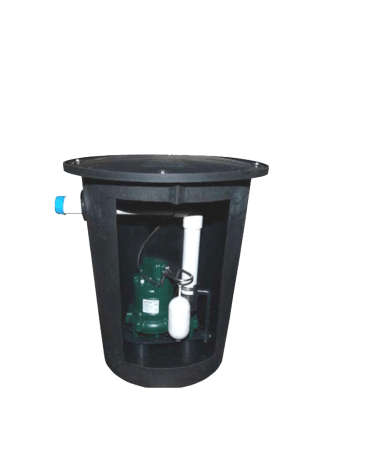 Q: What is the primary function of a battery backup sump pump system? A: Its primary function is to provide continuous water removal from the sump basin during power outages or when the main pump fails. The system uses a dedicated battery to operate the secondary pump, ensuring that stormwater and floodwater are effectively diverted from the basement even in adverse conditions.
Q: How often should the battery and sump pump system be maintained? A: It is recommended to conduct visual inspections and battery voltage checks every three to six months. A complete functional test of the system should be performed monthly, while professional servicing is advisable annually to ensure optimal performance during emergencies.
Q: What factors determine the correct pump capacity for a home? A: Factors include the local flood risk profile, the size of the sump pit, historical rainfall data, and the home’s foundation and drainage configuration. Reviewing specifications like gallons per minute (GPM) capacity and battery endurance will help match the pump strength to your home’s anticipated water volume.
Q: How does the system automatically switch to battery operation during a power outage? A: Integrated sensors and float switches detect rising water levels when the primary pump loses power. The system’s electronics then automatically engage the backup pump by switching to the battery power, ensuring uninterrupted water removal within seconds.
Q: Are professional installations of battery backup sump pump systems recommended? A: While some systems are designed for DIY installation, a professional setup is often recommended for ensuring proper calibration, secure wiring, and optimal integration with existing infrastructure. This approach minimizes installation errors and can extend the life and reliability of the system.
Q: Can integrated alarm and monitoring features really prevent water damage? A: Yes, integrated alarms and monitoring systems provide real-time updates on the system’s performance and battery health. These features alert homeowners immediately if there is a malfunction or if the battery is low, allowing for prompt maintenance that helps prevent potential water damage.
Final Thoughts
A battery backup sump pump system is an essential safeguard for homes facing the risks of basement flooding during storms. By ensuring uninterrupted water removal, it protects against costly structural damage and preserves the integrity of stored belongings. Careful evaluation of key attributes—including battery longevity, pumping volume, integrated monitoring, and build quality—can help homeowners select the ideal solution for their property. With regular maintenance and a proactive approach to system upkeep, homeowners can enjoy lasting peace of mind and enhanced home safety even during the most severe weather events.

A.M. Shield Waterproofing recently awarded the Basement Health Association STAR Award for exceptional customer care for the fifth year in a row. Servicing Long Island, NYC and Westchester with Nationally Certified Waterproofing and Mold Remediation Specialists they are able to provide the highest level of professional solutions. A.M. Shield has the widest range of services available to property owners in the greater New York area utilizing multiple techniques in exterior foundation waterproofing, interior drainage, foundation crack injections and foundation repair solutions,. A.M. Shield™s environmental division will assess the damage, repair the problem and create a healthy environment for property owners who experience mold or moisture problems.
