
Why Do Clogged Gutters Lead to Basement Flooding?
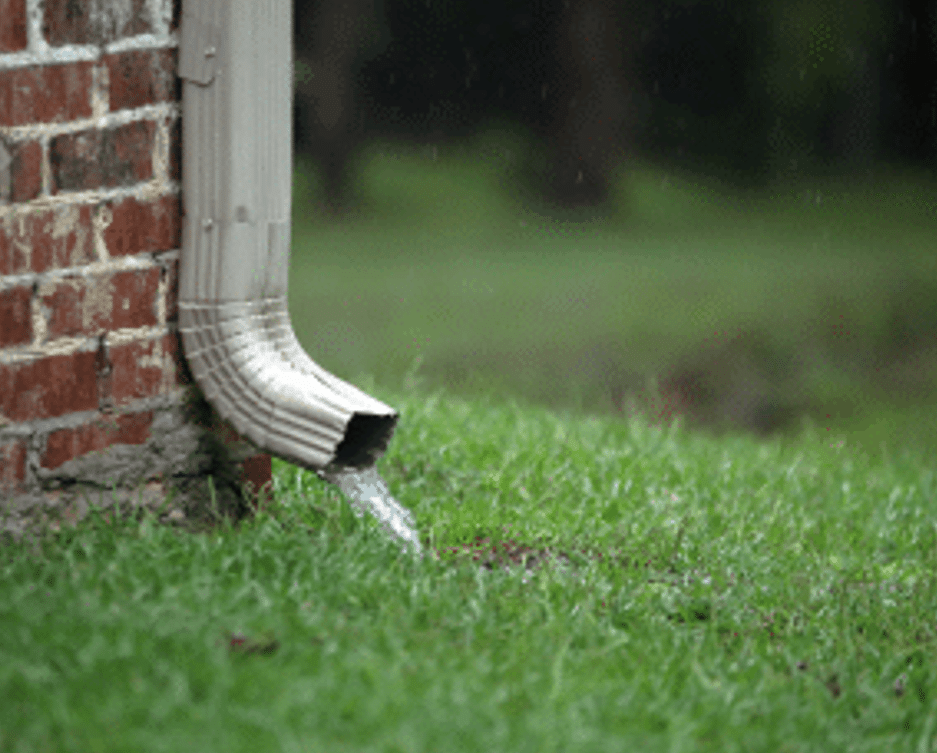 Clogged gutters are channels intended to collect roof runoff and convey it safely away from the house, but when debris blocks the flow the mechanism breaks down: overflow runs off the roof edge, concentrates at the foundation perimeter, and soaks the soil. This concentrated runoff increases soil saturation and raises hydrostatic pressure against footings and foundation walls, which in turn forces water into small cracks, seams, and porous masonry. The result is interior dampness, efflorescence, and, in severe cases, basement flooding that can damage finishes and stored items. Understanding this causal chain—overflow → soil saturation → hydrostatic pressure → water entry—helps prioritize interventions that stop water before it reaches the foundation.
 How Do Debris and Blockages Form in Gutters and Downspouts?
Debris commonly accumulates in the gutter trough and at downspout inlets when overhanging trees drop leaves, needles, seed pods, and twigs, and when roof wear sheds granules into the system. Sectional gutter seams and elbows are typical trap points where organic matter gathers, forming dams that prevent normal flow; heavy storms or ice can compact this debris, creating nearly complete blockages. Poor gutter pitch or malfunctioning gutter hangers also allow standing water that accelerates sediment buildup and corrosion. Regular inspection of corners, outlets, and elbows reveals these developing blockages before they cause overflow, and proactive clearing prevents the next step—soil saturation around the foundation.What Is the Role of Hydrostatic Pressure in Basement Leaks?
Hydrostatic pressure is the lateral force saturated soil exerts against foundation walls and floors, and it rises significantly when soil moisture content increases after repeated or concentrated runoff events. Saturated soil transmits water pressure through pores and voids, pushing water through hairline cracks and poorly sealed joints; this process can force water into basements even without visible external flooding. When hydrostatic pressure exceeds the structural or sealing resistance of the foundation, seepage or streams of water appear at wall-floor junctions and through masonry. Recognizing hydrostatic pressure as the driving force reframes prevention: reduce soil saturation with proper gutters and drainage, and relieve pressure using surface or subsurface drainage measures.What Are the Signs That Clogged Gutters Are Causing Basement Water Problems?
A linked set of exterior and interior cues points to gutter-related basement water problems: visible overflow during rain, water pooling near the foundation, and wet window wells often precede interior staining or musty odors. Inside, look for damp perimeter walls, efflorescence (white mineral stains), peeling paint, and localized water stains at the wall-floor junction; these signs indicate water is moving through or around the foundation. Exterior signs such as soil erosion near downspouts, splashing against siding, or plant growth in depressions close to the foundation suggest chronic saturation. By correlating what you see outside during a storm with interior symptoms after the storm, you can identify gutter overflow as the likely culprit and choose targeted fixes.- Common exterior signs that indicate gutter-related drainage problems:Visible gutter overflow or water pouring over the eaves during storms.Water pooling or soggy soil within a few feet of the foundation perimeter.Overflowing or full basement window wells and eroded soil near downspouts.
How to Identify Basement Flooding Caused by Gutter Overflow?
Inspecting gutters and downspouts during rainfall is the most direct diagnostic test: watch for overflow at seams and inlets, and observe whether downspouts are discharging onto the soil immediately adjacent to the foundation. Check window wells and the perimeter for concentrated flow paths that channel roof runoff toward foundation walls, and look for water marks or mud lines on the foundation that line up with overflow points. After storms, measure soil moisture and note pooling patterns; photograph evidence and note timing to help differentiate gutter-related infiltration from other interior plumbing or seepage causes. These straightforward observations make it easier to decide whether gutter cleaning, downspout extensions, grading, or professional drainage work is needed.What Foundation Damage Results from Poor Gutter Drainage?
Poor gutter drainage can initiate a progression from hairline cracks to larger structural problems: repeated saturation and freezing cycles widen cracks, undermine footings, and lead to settling or heaving in extreme cases. Water intrusion promotes mold and rot in wood framing, damages finished basement surfaces, and can compromise interior waterproofing systems over time. If left unaddressed, the cost and scope of repairs escalate from simple crack sealing to major foundation stabilization and exterior excavation. Early detection and correction of drainage issues reduce long-term structural risk and limit the likelihood of costly foundation repairs.How Can Proper Gutter and Downspout Maintenance Prevent Basement Flooding?
Proper gutter and downspout maintenance prevents basement flooding by ensuring roof runoff is collected and conveyed away from the foundation reliably; maintenance addresses the root cause—interrupted flow—so soil saturation and hydrostatic pressure are reduced. Simple actions such as clearing gutter troughs, verifying gutter pitch, securing hangers, and ensuring downspout outlets are unobstructed restore designed flow capacity and limit overflow during heavy storms. These measures improve the performance of the roof drainage system and protect home water management as a whole. Regular, scheduled maintenance creates predictable intervals where small issues are resolved before they become water entry problems.- Inspect gutters and downspouts at least twice a year and after major storms to spot early blockages.
- Remove debris using a trowel and flush the downspout with a garden hose to confirm flow.
- Check gutter pitch and hanger condition, and repair sagging sections to prevent standing water.
| Maintenance Option | Recommended Frequency | Maintenance Required |
|---|---|---|
| Gutter Cleaning | Spring & Fall, after storms | Manual debris removal and flush |
| Gutter Guard (mesh) | Inspect annually | Clear surface debris, occasional unclogging |
| Gutter Guard (foam/surface tension) | Inspect biannually | Remove surface debris, replace sections if compressed |
| Downspout Flushing | After cleaning gutters | Run water to verify discharge and clear clogs |
How Do Downspout Extensions and Drainage Systems Protect Your Foundation?
Downspout extensions and exterior drainage systems protect the foundation by moving water sufficiently far from the building so runoff does not concentrate at the footing and saturate the near-foundation soil. Extending discharge points reduces local soil saturation and lowers hydrostatic pressure by spreading water over a larger area or routing it into a safe discharge pathway. Options range from splash blocks and surface piping to buried extensions and French drains; each solution changes how water is conveyed and where it re-enters the landscape. Selecting the right approach depends on slope, soil type, local codes, and the volume of runoff, and effective installation reduces both immediate seepage risk and long-term foundation stress.- Typical surface and subsurface options to redirect runoff: Splash blocks and short surface piping for small, infrequent flows.Flexible surface piping or corrugated tubing for medium-distance diversion.Buried downspout extensions and French drains for persistent or high-volume runoff.
| Downspout Solution | Effective Distance | Pros / Cons |
|---|---|---|
| Splash Block | 1–3 ft | Low cost, limited distance; good for slight runoff |
| Surface Piping | 4–8 ft | Moderate cost, visible; good for directing water away |
| Buried Extension | 4–10+ ft | Concealed, effective; may require trenching and permits |
| French Drain | 10+ ft (system dependent) | Best for intercepting groundwater; higher cost and installation complexity |
How Far Should Downspouts Extend to Prevent Basement Flooding?
Downspouts should typically discharge 4–10 feet from the foundation, with the exact distance determined by slope, soil permeability, and local drainage patterns; extending to at least 6 feet markedly reduces immediate soil saturation. The rationale is simple: the farther runoff is moved from the footing, the more surface area it can infiltrate and the less lateral pressure builds against the foundation. In clay soils or on flat lots, buried extensions or connection to an exterior drainage system or French drain may be necessary to get effective separation. When local codes or HOA rules apply, verify permitted discharge locations and consider professional assessment for buried solutions.The Leaking Basement Epidemic: Causes, Cures, and Consequences of Downspout Failure One need only consult the local Yellow Pages under ‘Waterproofing Contractors’ to appreciate the scale of the leaking basement epidemic in the United States. This paper draws from a detailed case history to look at its causes, financial ramifications, and ideas on mitigation. It concludes that most often the failures are systemic involving multiple factors, but that very significant among these is the role of the downspout drain, its frequent deterioration over time and consequent loss of functionality. This is compounded by poor design decisions that have resulted in walls unable to support the lateral loads that are created when hydrostatic pressures develop. Solutions range from proactive maintenance to strengthening of walls. However, there must first be more public awareness of the causes and liabilities involved, and this may best be accomplished through more focused attention when property transfers occur. The Leaking Basement Epidemic–Causes, Cures and Consequences
What Exterior Drainage Solutions Reduce Hydrostatic Pressure?
Exterior drainage options reduce hydrostatic pressure by intercepting and diverting water before it soaks into foundation-adjacent soil, and choices range from regrading to engineered subsurface systems. Regrading the landscape to slope away from the foundation is a low-technology fix that changes the immediate flow path, while French drains and trench drains collect and move subsurface water to a safe outlet. Surface drains and catch basins handle concentrated runoff points, and buried downspout extensions channel roof water to discharge areas well away from the structure. Each solution has pros and cons tied to soil type—clay favors subsurface systems while sandy soils may disperse water more readily—so solution selection should match the hydrologic context.When Should You Consider Professional Help for Basement Flooding from Gutters?
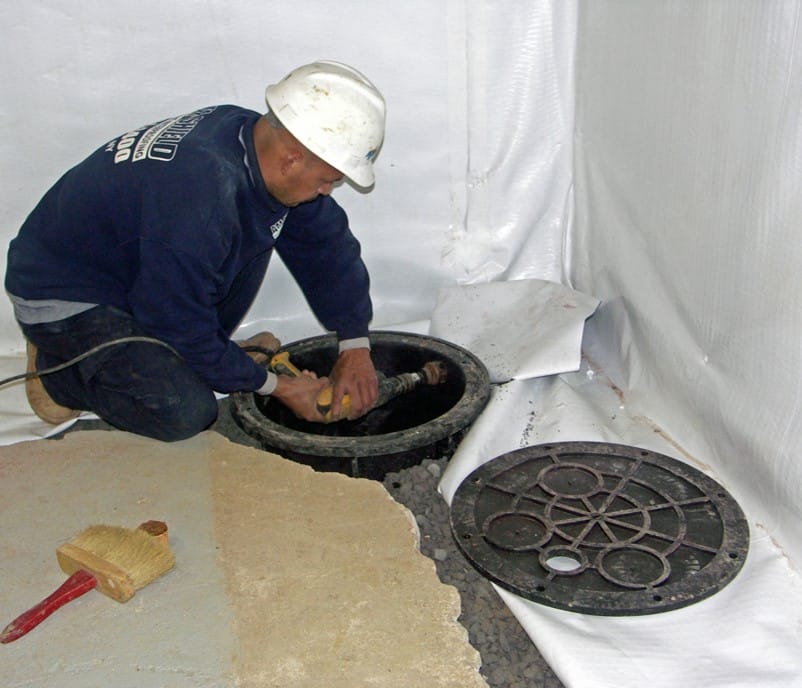 Professional help is warranted when problems are recurring, when visible structural signs appear, or when the scope of work goes beyond safe DIY capabilities; experts assess the system holistically and prescribe durable fixes. If gutters are routinely overflowing despite cleaning, if you notice bowing or large foundation cracks, or if regrading and subsurface drainage are required, a professional evaluation will diagnose underlying causes and recommend solutions that integrate exterior and interior waterproofing. Professionals commonly provide services including gutter cleaning and maintenance, gutter repair and installation, downspout repair and extension, exterior drainage systems, foundation waterproofing (interior and exterior), sump pump installation, and basement dehumidification. Engaging a pro can save money long-term by preventing repeated fixes and by addressing hydrostatic pressure comprehensively.
 - Decision checklist for hiring a contractor:Recurrent basement leaks despite routine gutter maintenance.Structural cracks, wall bowing, or significant settlement near the foundation.Need for large-scale excavation, regrading, or subsurface drainage installation.
What Complex Issues Require Expert Foundation Waterproofing?
Expert foundation waterproofing is typically required for chronic water intrusion that persists after exterior fixes, for structural movement, or when hydrostatic pressure is severe and pervasive. Examples include repeated seepage during modest rain events, wide foundation cracks or shifting walls, and saturated soils that cannot be relieved by surface measures alone. Professionals perform diagnostic tests, estimate soil moisture dynamics, and may recommend interior drainage systems, exterior excavation and membrane application, or structural underpinning depending on severity. A specialist assessment clarifies whether targeted repairs, such as crack injection, or comprehensive waterproofing and drainage replacement are necessary to restore long-term dryness and structural integrity.How Do Sump Pumps and Basement Dehumidifiers Complement Gutter Maintenance?
Sump pumps and basement dehumidifiers act as complementary interior defenses: sump pumps remove accumulated groundwater that reaches the interior collection system, while dehumidifiers control ambient moisture to prevent mold growth after minor seepage events. Installed as part of an integrated strategy, a properly sized sump pump turns on when water collects in the sump basin and moves it to a safe discharge point, reducing interior hydrostatic consequences. Dehumidifiers maintain relative humidity below levels that promote mold, preserving air quality and finishes even if occasional dampness occurs. Together with diligent exterior drainage and gutter maintenance, interior systems provide layered protection against basement flooding and moisture-related deterioration.What Are the Long-Term Risks and Costs of Ignoring Clogged Gutters and Basement Flooding?
Ignoring clogged gutters leads to progressively worse outcomes: increased hydrostatic pressure, escalating foundation damage, interior finish loss, mold growth, and diminished home value; costs escalate with delay. Repeated water exposure accelerates structural deterioration, raises health risks from mold and mildew, and complicates insurance claims and resale disclosures. The financial impact varies regionally and by severity, but ranges typically span modest annual maintenance to very large foundation repairs. Prioritizing prevention—through maintenance, targeted drainage upgrades, and timely professional intervention—keeps repair needs and associated costs far lower than the price of prolonged neglect. Intro to cost EAV table: The table below provides ballpark cost ranges for common fixes and the potential impact each item addresses, with the caveat that actual costs depend on region and job complexity.| Repair / Service | Typical Cost Range | Impact |
|---|---|---|
| Gutter Cleaning (annual) | $100–$300 | Reduces overflow and prevents soil saturation |
| Downspout Extension (DIY/short) | $50–$300 | Lowers immediate pooling near foundation |
| French Drain Installation | $1,500–$5,000+ | Relieves subsurface water and hydrostatic pressure |
| Foundation Repair / Waterproofing | $10,000–$40,000+ | Addresses structural cracks and chronic infiltration |
| Sump Pump Installation | $800–$2,500 | Interior water removal and emergency protection |
How Does Basement Flooding Affect Home Value and Insurance Claims?
Basement flooding and evidence of past water damage can lower resale value and trigger disclosure obligations during a sale, potentially narrowing the buyer pool and reducing offers. Repeated insurance claims for water damage may result in higher premiums or coverage exclusions for certain perils, and insurers typically require documentation and mitigation steps to support claims. Homeowners should photograph incidents, keep repair records, and follow recommended professional mitigation to strengthen claim support and reduce resale risks. Proactive drainage correction and waterproofing not only preserve value but also demonstrate to buyers and insurers that the property has been responsibly managed.What Are Typical Foundation Repair Costs from Water Damage?
Typical foundation repair costs depend on repair method, accessibility, and extent of damage; small crack sealing is relatively inexpensive while structural stabilization and exterior excavation are costly. Ballpark ranges for common interventions vary widely: routine maintenance and minor repairs may run in the low hundreds to a few thousand dollars, whereas full exterior waterproofing, underpinning, or major foundation stabilization can fall into five-figure ranges. Factors driving cost include depth of excavation, soil remediation, required materials, and regional labor rates. Investing early in gutter and drainage measures is usually far cheaper than the long-term costs associated with severe foundation repair and interior remediation.- Key cost drivers to monitor:Severity and location of foundation damage.Need for exterior excavation versus interior-only solutions.Type of soil and extent of regrading or drain installation required.

A.M. Shield Waterproofing recently awarded the Basement Health Association STAR Award for exceptional customer care for the fifth year in a row. Servicing Long Island, NYC and Westchester with Nationally Certified Waterproofing and Mold Remediation Specialists they are able to provide the highest level of professional solutions. A.M. Shield has the widest range of services available to property owners in the greater New York area utilizing multiple techniques in exterior foundation waterproofing, interior drainage, foundation crack injections and foundation repair solutions,. A.M. Shield™s environmental division will assess the damage, repair the problem and create a healthy environment for property owners who experience mold or moisture problems.
