
Groundwater pressure is a critical factor that can significantly impact the integrity of your home’s foundation. Understanding how this pressure builds up and the potential damage it can cause is essential for homeowners. This article will explore the mechanisms behind groundwater pressure, its effects on foundations, and effective solutions to manage and mitigate these issues. Many homeowners face challenges related to water intrusion and foundation stability, which can lead to costly repairs if not addressed promptly. We will discuss the signs of hydrostatic pressure damage, the causes of increased pressure, and the methods available to relieve this pressure effectively. Additionally, we will highlight the expertise of A.M. Shield Waterproofing Corp. in providing solutions for basement waterproofing and foundation repair.
What is Hydrostatic Pressure and How Does It Affect Your Foundation?
 ydrostatic pressure refers to the pressure exerted by water in soil or other materials, which can have a profound effect on your foundation. This pressure builds up when water saturates the soil surrounding your home, leading to potential structural damage. The weight of the water creates lateral pressure against foundation walls, which can result in cracks, bowing, and even structural failure if not managed properly. Understanding hydrostatic pressure is crucial for homeowners to prevent costly repairs and maintain the integrity of their homes.
How Does Hydrostatic Pressure Build Up Around Foundations?
Hydrostatic pressure builds up around foundations primarily due to soil saturation, which occurs when the water table rises or during heavy rainfall. As the soil becomes saturated, it retains more water, increasing the pressure exerted on foundation walls. This pressure can be exacerbated by poor drainage systems that fail to redirect water away from the foundation. For instance, if the water table rises significantly, it can lead to a situation where the foundation is constantly under stress from the surrounding water, leading to potential damage.
Research further emphasizes the critical impact of rising groundwater levels on foundation stability and the resulting pore pressure.
Groundwater Rise & Foundation Pore Pressure Impact
In recent years an increase in the groundwater level in the basal aquifer beneath London has been observed. The result of this water level rise, if it were to reach equilibrium levels of two centuries ago, would be to cause a reduction in effective stress levels in the founding strata beneath London. The effect that such an increase in pore pressure would have on foundations in overconsolidated clay was investigated. The performance of foundations in stiff clay during a rising ground water event was investigated by means of centrifuge model tests.
Performance of foundations in a rising groundwater environment, 1994
What Are the Key Terms: Water Table, Saturated Soil, and Groundwater?
Understanding key terms related to hydrostatic pressure is essential for homeowners. The water table is the upper surface of the saturated zone in the soil, where all the voids are filled with water. Saturated soil refers to soil that is fully soaked with water, which can significantly increase hydrostatic pressure. Groundwater is the water that exists beneath the earth’s surface, and its level can fluctuate based on rainfall and other environmental factors. These terms are critical in understanding how groundwater pressure affects your foundation.
What Causes Hydrostatic Pressure to Increase Around Your Basement?
How Do Soil Types Like Clay and Sandy Soil Influence Water Pressure?
Soil type plays a significant role in how water is retained and how pressure builds up. Clay soils tend to retain water due to their fine particles, leading to higher hydrostatic pressure. In contrast, sandy soils allow water to drain more freely, resulting in lower pressure. However, the presence of clay in the surrounding soil can create a barrier that traps water, exacerbating pressure buildup against foundation walls.
How Do High Water Tables and Poor Drainage Contribute to Pressure BuildUp?
High water tables can significantly increase hydrostatic pressure, especially during periods of heavy rainfall or snowmelt. When the water table rises, it saturates the surrounding soil, leading to increased pressure on the foundation. Additionally, poor drainage systems can exacerbate this issue by failing to redirect water away from the foundation, allowing it to pool and increase pressure. Homeowners should regularly inspect their drainage systems to ensure they are functioning correctly and effectively managing water flow.
What Are the Signs of Hydrostatic Pressure Damage in Your Basement?
How to Identify Foundation Cracks, Bowing Walls, and Water Seepage?
Common signs of hydrostatic pressure damage include foundation cracks, bowing walls, and water seepage. Foundation cracks can appear as vertical or horizontal fissures in the walls, indicating stress from external pressure. Bowing walls may show signs of inward movement, which can compromise structural integrity. Water seepage is often visible as damp spots or puddles in the basement, indicating that water is penetrating the foundation. Homeowners should regularly inspect their basements for these signs to address issues promptly.
What Are Efflorescence and Musty Odors Indicating Water Damage?
Efflorescence is a white, powdery substance that can appear on foundation walls, indicating moisture intrusion. This occurs when water evaporates from the surface, leaving behind mineral deposits. Additionally, musty odors in the basement can signal mold growth due to excessive moisture. Both efflorescence and musty odors are indicators of water damage and should be addressed immediately to prevent further issues.
How Can You Relieve Hydrostatic Pressure and Prevent Foundation Damage?
What Exterior Waterproofing and Drainage Solutions Are Effective?
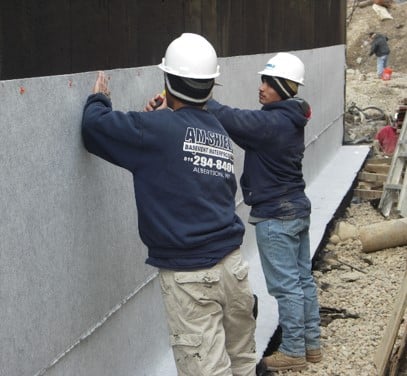
Exterior waterproofing solutions, such as applying waterproof membranes and installing drainage systems, can effectively manage hydrostatic pressure. These methods create a barrier that prevents water from penetrating the foundation walls. Additionally, installing French drains or drainage pipes can redirect water away from the foundation, reducing pressure buildup. A.M. Shield Waterproofing Corp. specializes in these solutions, ensuring that your home remains protected from water damage.
How Do Interior Drainage Systems and Sump Pumps Work to Stop Water Pressure?
Interior drainage systems, including sump pumps, are crucial for managing water that enters the basement. Sump pumps collect water that accumulates in the sump pit and pump it away from the foundation, preventing water buildup. These systems work in conjunction with interior drainage channels to redirect water away from the foundation walls, effectively reducing hydrostatic pressure. Regular maintenance of these systems is essential to ensure their effectiveness.
What Foundation Repair Methods Address Damage from Groundwater Pressure?
 How Does Crack Injection and Wall Reinforcement Stabilize Foundations?
Crack injection is a common method used to repair foundation cracks caused by hydrostatic pressure. This process involves injecting a specialized epoxy or polyurethane material into the cracks to seal them and restore structural integrity. Additionally, wall reinforcement techniques, such as installing steel braces or carbon fiber strips, can help stabilize bowing walls and prevent further movement. These methods are essential for addressing damage and ensuring the long-term stability of your foundation.
What Structural Supports Help Prevent Further Hydrostatic Pressure Damage?
Structural supports, such as piers and underpinning systems, can provide additional stability to foundations affected by hydrostatic pressure. These supports transfer the load of the structure to deeper, more stable soil layers, reducing the risk of further damage. Homeowners should consult with foundation repair specialists to determine the best solutions for their specific needs.
Why Choose A.M. Shield for Preventing and Repairing Water Pressure Around Foundations?
What Makes A.M. Shield’s Certified Specialists and Warranty Unique?
A.M. Shield’s team of certified specialists brings over 30 years of experience in basement waterproofing and foundation repair. Their expertise ensures that homeowners receive the highest quality service and solutions tailored to their specific needs. Additionally, A.M. Shield offers comprehensive warranties on their services, providing peace of mind for homeowners.
How Does Local Expertise in Long Island Soil and Water Table Benefit Homeowners?
With extensive knowledge of the unique soil and water table conditions in Long Island, A.M. Shield is well-equipped to address the specific challenges homeowners face. Their understanding of local environmental factors allows them to implement effective solutions that protect foundations from hydrostatic pressure damage. Homeowners can trust A.M. Shield to provide reliable and effective waterproofing and foundation repair services.
| Method | Description | Effectiveness |
|---|---|---|
| Exterior Waterproofing | Application of waterproof membranes | High |
| Interior Drainage Systems | Installation of sump pumps and drainage channels | High |
| Crack Injection | Sealing cracks with epoxy or polyurethane | Medium |
| Wall Reinforcement | Installing braces or carbon fiber strips | High |
This table summarizes various methods for managing hydrostatic pressure and their effectiveness in preventing foundation damage. Homeowners should consider these options when addressing water intrusion issues.
Hydrostatic pressure can pose significant risks to your foundation, but understanding its causes and effects is the first step in prevention. By recognizing the signs of damage and implementing effective solutions, homeowners can protect their investments and ensure the longevity of their homes. A.M. Shield Waterproofing Corp. is dedicated to providing expert services to help manage and repair foundation issues related to groundwater pressure.

A.M. Shield Waterproofing recently awarded the Basement Health Association STAR Award for exceptional customer care for the fifth year in a row. Servicing Long Island, NYC and Westchester with Nationally Certified Waterproofing and Mold Remediation Specialists they are able to provide the highest level of professional solutions. A.M. Shield has the widest range of services available to property owners in the greater New York area utilizing multiple techniques in exterior foundation waterproofing, interior drainage, foundation crack injections and foundation repair solutions,. A.M. Shield™s environmental division will assess the damage, repair the problem and create a healthy environment for property owners who experience mold or moisture problems.
