
When you think about protecting your home, the foundation probably isn’t the first thing that comes to mind. But in places like Long Island, where the weather can be both unpredictable and extreme, your home’s foundation faces constant challenges. From heavy spring rains to freezing winter temperatures and year-round humidity, Long Island’s climate can take a serious toll on the structural integrity of your house.
Understanding how the local environment affects your foundation is the first step toward protecting it — and maintaining the value and safety of your home. In this article, we’ll dive into the specific climate threats facing Long Island homeowners and the waterproofing solutions that can help.
Seasonal Rainfall and Its Impact on Your Foundation
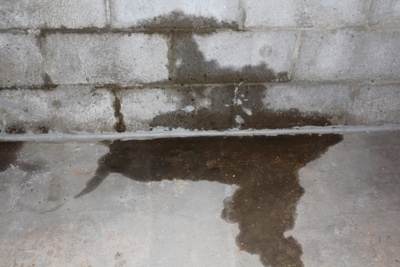
 Long Island experiences significant rainfall throughout the year, especially during the spring and fall months. Heavy downpours can quickly saturate the soil around your home, putting intense pressure on foundation walls. This is known as hydrostatic pressure, and it can cause:
Cracks in the walls and floors
Water seepage into the basement
Shifting or settling of the foundation
When the soil becomes waterlogged, it expands. When it dries out, it contracts. Over time, this cycle of expansion and contraction can weaken your foundation and cause uneven settling. Homes without proper drainage systems are particularly vulnerable.
Solutions for Rainwater Management
To combat the effects of heavy rain, homeowners in Long Island should consider:
French Drains: These underground drainage systems redirect water away from your foundation.
Gutter Extensions: Properly maintained gutters and downspouts can direct rainwater safely away from the base of your home.
Exterior Waterproofing: Applying a waterproof barrier to the outside of your foundation walls prevents moisture from seeping in.
Addressing water issues early can save thousands of dollars in potential foundation repairs.
The Freezing Winters of Long Island: Freeze-Thaw Damage
Winter in Long Island brings freezing temperatures and snowfall, often followed by thaw cycles. When water infiltrates small cracks in your foundation and freezes, it expands. This expansion can widen cracks and lead to significant structural damage over time — a process known as freeze-thaw cycling.
Even seemingly minor cracks can worsen rapidly through repeated freezing and thawing, ultimately weakening the entire structure.
Solutions for Freeze-Thaw Protection
 Preventing freeze-thaw damage requires a multi-layered approach:
Crack Repair: Seal existing cracks before winter arrives.
Basement Insulation: Proper insulation can help maintain a more stable temperature in your basement, reducing the risk of freezing near the foundation walls.
Interior Sealants: Applying waterproof sealants inside the basement helps block moisture infiltration.
Winterizing your basement is one of the most effective strategies for long-term protection.
Year-Round Humidity and Moisture Problems
Long Island’s proximity to the ocean means consistently high humidity levels. While this might not seem like a direct threat to your foundation, indoor moisture can create serious problems, such as:
Mold and mildew growth
Wood rot
Metal corrosion
Poor indoor air quality
Moreover, persistent humidity can lead to condensation on basement walls, encouraging water penetration even without obvious flooding events.
Solutions for Humidity Control
Managing indoor humidity is key to preserving your basement and foundation:
Dehumidifiers: Installing a high-capacity dehumidifier in the basement can drastically reduce moisture levels.
Encapsulation Systems: For homes with crawl spaces, encapsulation with vapor barriers can prevent ground moisture from affecting the structure.
Proper Ventilation: Ensuring good air circulation helps prevent pockets of moisture buildup.
Keeping humidity under control helps protect not just your foundation, but also your family’s health.
The Special Challenge of Coastal Flooding
Because Long Island is surrounded by water, coastal flooding is an additional threat, particularly during hurricanes or nor’easters. Saltwater flooding is even more destructive than rainwater because it can corrode concrete and steel reinforcements within foundation walls.
Even if your home isn’t directly on the shoreline, storm surges can push seawater far inland, threatening your basement and foundation.
Solutions for Coastal Flooding
Protective measures against coastal flooding include:
Sump Pumps with Battery Backup: These systems can remove large amounts of water quickly, even during power outages.
Foundation Flood Vents: These allow water to flow through the foundation rather than build up pressure against it.
Elevated Foundation Construction: For homes in flood-prone areas, raising the foundation above base flood elevation can provide crucial protection.
Investing in these solutions is essential for homes located in vulnerable coastal zones.
Why Professional Waterproofing Matters
While some minor waterproofing tasks can be DIY projects, protecting your home’s foundation in a challenging climate like Long Island’s often requires professional expertise. Certified waterproofing contractors can:
Identify hidden vulnerabilities
Recommend the right combination of drainage and waterproofing systems
Install durable, long-lasting solutions
Provide warranties and peace of mind
Trying to cut corners with temporary fixes can end up costing far more in the long run.
Conclusion: A Strong Foundation Starts with Climate Awareness
Your foundation is literally what holds your home together — and Long Island’s unique climate puts it to the test year after year. Whether it’s heavy rains, freezing winters, or humid summers, understanding these environmental pressures is crucial for keeping your home safe and dry.
By investing in professional waterproofing solutions like French drains, dehumidifiers, crack repairs, and sump pump systems, you can protect your property, maintain its value, and enjoy peace of mind no matter what the weather brings.
When it comes to safeguarding your foundation, proactive steps today can prevent major headaches tomorrow.

A.M. Shield Waterproofing recently awarded the Basement Health Association STAR Award for exceptional customer care for the fifth year in a row. Servicing Long Island, NYC and Westchester with Nationally Certified Waterproofing and Mold Remediation Specialists they are able to provide the highest level of professional solutions. A.M. Shield has the widest range of services available to property owners in the greater New York area utilizing multiple techniques in exterior foundation waterproofing, interior drainage, foundation crack injections and foundation repair solutions,. A.M. Shield™s environmental division will assess the damage, repair the problem and create a healthy environment for property owners who experience mold or moisture problems.
