
Poor yard drainage is a significant contributor to basement flooding, often leading to costly damage and structural issues. When water accumulates around a home’s foundation, it can seep into basements, causing mold growth and compromising the integrity of the structure. This article will explore the causes of basement flooding due to inadequate yard drainage and discuss effective foundation waterproofing solutions. Homeowners will learn about the importance of proper yard grading, the role of soil conditions, and the various drainage systems available to prevent flooding. Additionally, we will highlight safety measures and maintenance practices to ensure long-term effectiveness in managing yard drainage problems.
What Are the Main Causes of Basement Flooding from Poor Yard Drainage?
Basement flooding often stems from several factors related to poor yard drainage. When the yard is not properly graded, water can pool near the foundation, increasing the risk of water intrusion. Additionally, soil conditions play a crucial role; certain types of soil retain water more than others, exacerbating flooding issues. Environmental factors, such as heavy rainfall or melting snow, can further contribute to these problems, leading to significant water accumulation around the home.
How Does Yard Grading Affect Water Flow Near Foundations?
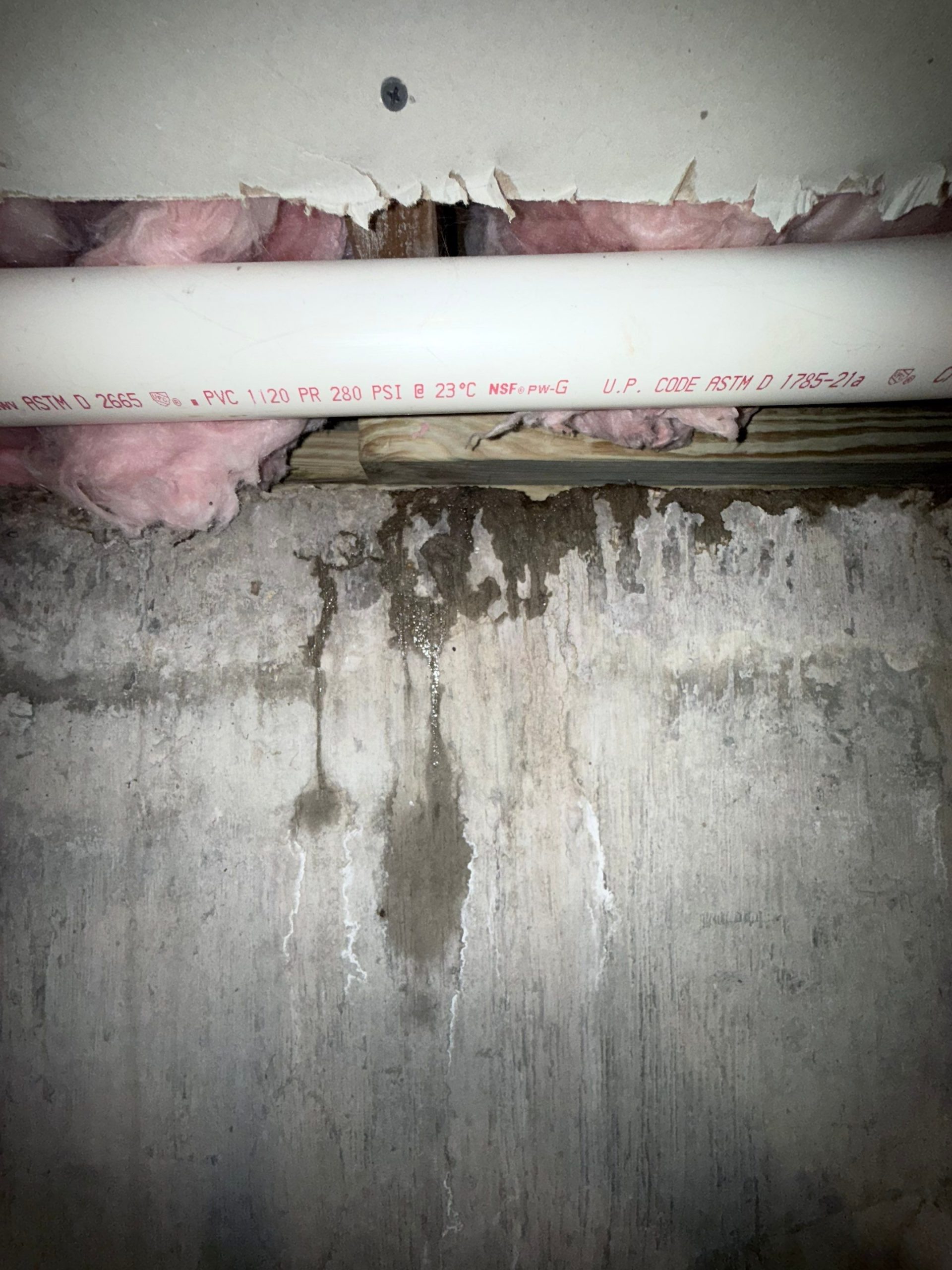 Yard grading is essential for directing water away from a home’s foundation. Proper grading involves creating a slope that encourages water to flow away, preventing it from pooling near the base of the house. If the grading is incorrect, water can accumulate, leading to increased pressure on the foundation walls and potential leaks. Homeowners should ensure that their yards are graded at a minimum slope of 5% away from the foundation for the first 10 feet to effectively manage water flow.
What Role Do Soil and Environmental Conditions Play in Basement Water Intrusion?
Soil type and environmental conditions significantly influence basement flooding. For instance, clay soils tend to retain water, making them less effective at draining excess moisture. Conversely, sandy soils allow for better drainage but may not retain enough moisture for landscaping needs. Environmental factors, such as heavy rainfall or rapid snowmelt, can overwhelm drainage systems, leading to water intrusion. Homeowners should assess their soil type and consider implementing additional drainage solutions if necessary.
Which Foundation Drainage Systems Prevent Basement Flooding?
Foundation drainage systems are critical in preventing basement flooding by managing water flow around the home. These systems can include various solutions, such as exterior drainage installations and foundation waterproofing systems, designed to keep basements dry and safe.
Research further emphasizes the importance of comprehensive lot-scale flood mitigation and foundation drainage for effective basement protection.
Lot-Scale Flood Mitigation & Foundation Drainage for Basement Protection
Flood management mitigation techniques that are implemented at the building- and lot-scale (or private-side) can reduce the risk of basement flooding for a particular home. These measures include backwater valves to reduce the risk of sewer surcharge into basements, low impact development strategies to reduce runoff entering municipal sewer systems, and foundation drainage systems to reduce the risk of infiltration flooding.
Reducing the risk of basement flooding through building-and lot-scale flood mitigation approaches: performance of foundation drainage systems, B Kaur, 2021
What Are the Types of Exterior Drainage Installation Solutions?
Several exterior drainage solutions can help prevent basement flooding, including:
- French Drains: These are trenches filled with gravel and a perforated pipe that redirects water away from the foundation.
- Surface Drains: Installed at low points in the yard, these drains collect and channel surface water away from the home.
- Downspout Extensions: These direct rainwater from gutters away from the foundation, reducing the risk of water pooling.
Each of these systems plays a vital role in managing water flow and protecting the foundation from potential flooding.
 How Do Foundation Waterproofing Systems Work to Protect Basements?
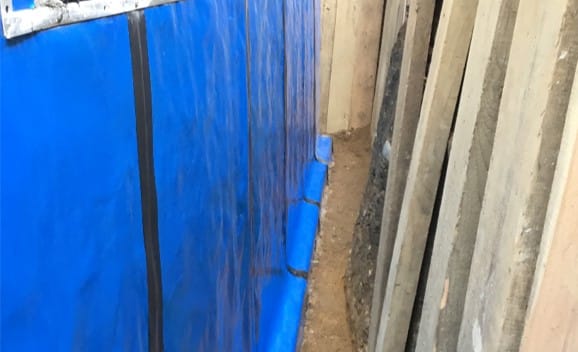
Foundation waterproofing systems are designed to create a barrier against water intrusion. These systems typically involve applying waterproof membranes or coatings to the exterior of the foundation walls, which prevents water from seeping through. Additionally, interior drainage systems, such as sump pumps with correctly installed perimeter drains, can be installed to remove any water that does enter the basement. By combining these methods, homeowners can significantly reduce the risk of basement flooding and protect their property.
Indeed, preventing water leakage through effective waterproofing is crucial for avoiding significant building defects and structural damage.
Preventing Water Leakage & Structural Damage with Waterproofing
Water leakage or water seepage is one of the major causes of common building defects. Leakage leads to dampness, corrosion of metals, fungal growth and also affects the structural properties of concrete as well as damage beauty of the structure. If water leakage can be prevented, almost 80% building defects can be eliminated. Thus, selecting the best method for waterproofing plays a vital role in the safety of the structure.
Comparative study of conventional and modern waterproofing techniques, AN Ghadge, 2016
What Safety Equipment and Preventative Measures Help Avoid Basement Leaks?
Implementing safety equipment and preventative measures is essential for avoiding basement leaks. Homeowners should consider installing sump pumps, which can automatically remove water from the basement during heavy rainfall. Additionally, regular maintenance of gutters and downspouts is crucial to ensure they function correctly and direct water away from the foundation.
Further studies confirm the effectiveness of sump pumps, dry wells, and French drains as practical measures for basement flood protection.
Basement Flood Protection: Sump Pumps, Dry Wells & French Drains
A sump pump is a highly effective basement flooding protection measure where gravity drainage to a ditch or drywell is not available. Other measures include the construction of dry wells and French drains, and more innovative forms of foundation drainage.
Practical measures for the prevention of basement flooding due to municipal sewer surcharge, 2003
How Does AM Shield Corporation Provide Customized Drainage and Safety Solutions?
AM Shield Corporation specializes in safety and waterproofing solutions focused on protecting building foundations and below-grade spaces from water intrusion and related hazards. Their expertise in customized drainage systems ensures that homeowners receive tailored solutions that effectively address their specific yard drainage problems. By utilizing advanced waterproofing techniques, AM Shield Corporation helps prevent basement flooding and enhances the overall safety of residential properties.
What Maintenance and Inspection Practices Ensure Long-Term Drainage Effectiveness?
To maintain effective drainage systems, homeowners should implement regular inspection and maintenance practices. This includes:
- Inspecting Gutters and Downspouts: Ensure they are clear of debris and functioning properly.
- Checking for Soil Erosion: Regularly assess the yard for signs of erosion that may affect grading.
- Testing Sump Pumps: Periodically test sump pumps to ensure they are operational and ready to handle excess water.
By following these practices, homeowners can ensure their drainage systems remain effective over time.
What Are Common Questions About Yard Drainage and Basement Flooding?
Homeowners often have questions regarding yard drainage and basement flooding. Understanding these common concerns can help them take proactive measures to protect their homes.
How Can Homeowners Fix Yard Drainage Problems to Prevent Flooding?
Homeowners can address yard drainage problems by implementing several strategies:
- Regrading the Yard: Adjusting the slope of the yard to direct water away from the foundation.
- Installing Drainage Systems: Adding French drains or surface drains to manage water flow effectively.
- Improving Soil Drainage: Amending soil with organic matter or sand to enhance its drainage capabilities.
These steps can significantly reduce the risk of flooding and protect the basement from water intrusion.
What Is the Best Foundation Drainage System for Flood Prevention?
The best foundation drainage system for flood prevention depends on the specific needs of the property. However, a combination of exterior drainage solutions, such as French drains, and interior waterproofing systems, like sump pumps, is often the most effective approach. Homeowners should consult with drainage experts to determine the best solution for their unique situation.
In addition to yard drainage and foundation waterproofing, it’s also important to consider the impact of crawl space conditions on your home’s overall health. Issues like crawl space mold can exacerbate basement flooding problems and compromise indoor air quality.

A.M. Shield Waterproofing recently awarded the Basement Health Association STAR Award for exceptional customer care for the fifth year in a row. Servicing Long Island, NYC and Westchester with Nationally Certified Waterproofing and Mold Remediation Specialists they are able to provide the highest level of professional solutions. A.M. Shield has the widest range of services available to property owners in the greater New York area utilizing multiple techniques in exterior foundation waterproofing, interior drainage, foundation crack injections and foundation repair solutions,. A.M. Shield™s environmental division will assess the damage, repair the problem and create a healthy environment for property owners who experience mold or moisture problems.
