
Waterproofing is a critical aspect of home maintenance, particularly for basements and foundations. Homeowners often face the dilemma of choosing between interior and exterior waterproofing solutions. This article will explore the key differences between these two methods, their effectiveness, and the costs associated with each. Understanding these factors is essential for making an informed decision that protects your home from water damage and mold growth. We will also discuss the benefits of waterproofing in enhancing home safety and preventing structural issues.
The critical role of waterproofing in preventing building defects and ensuring structural integrity, while considering factors like cost and durability, is further emphasized by research.
Comparative Study of Waterproofing Techniques: Cost, Durability & Mold Prevention
Water leakage or water seepage is one of the major causes of common building defects. Leakage leads to dampness, corrosion of metals, fungal growth and also affects the structural properties of concrete as well as damage beauty of the structure. It also has an adverse effect on human health by creating unpleasant condition. If water leakage can be prevented, almost 80% building defects can be eliminated. Thus, selecting the best method for waterproofing plays a vital role in the safety of the structure. In construction, a building or structure can be waterproofed with the use of membranes and coatings to protect contents as well as protecting structural integrity. Waterproofing can be categorized under traditional (tarfelt, Brick bat coba) and advanced (coatings, integral) waterproofing techniques. The objective of this study is to compare the different waterproofing techniques by considering factors such as cost, durability and ease of use.
Comparative study of conventional and modern waterproofing techniques, AN Ghadge, 2016
What Are the Key Differences Between Interior and Exterior Waterproofing?
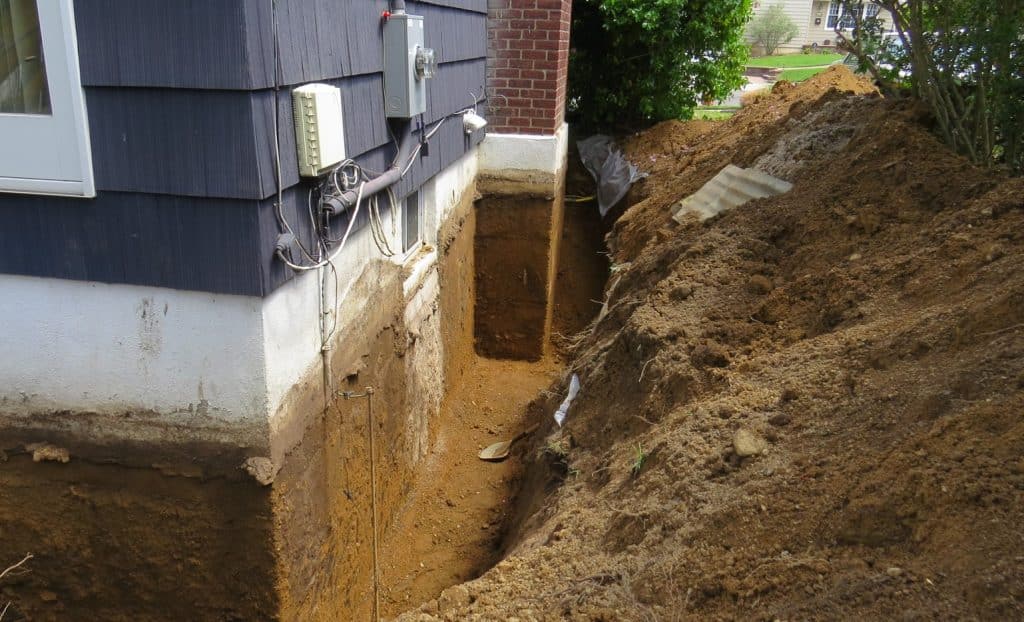
Interior and exterior waterproofing serve the same purpose—preventing water intrusion—but they operate through different mechanisms. Interior waterproofing involves methods applied within the basement or crawl space, such as drainage systems and sump pumps, to manage water that has already entered the home. In contrast, exterior waterproofing focuses on preventing water from reaching the foundation in the first place, utilizing barriers like membranes, waterproof coatings, and excavation techniques.
How Does Interior Basement Waterproofing Prevent Water Intrusion?
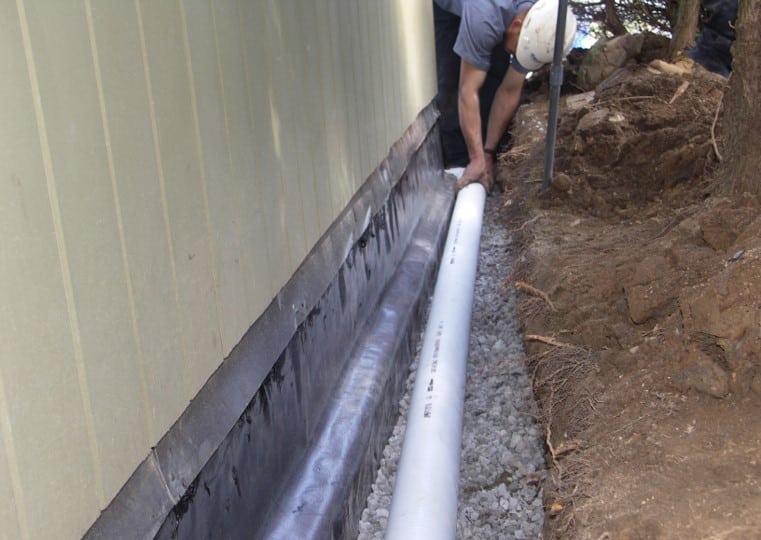 Interior basement waterproofing employs various methods to manage water intrusion effectively. Common techniques include the installation of drainage systems that redirect water away from the foundation and sump pumps that remove accumulated water. These systems work by creating a controlled environment within the basement, reducing humidity levels and preventing water from pooling. The effectiveness of interior waterproofing largely depends on the existing conditions of the basement and the quality of the installed systems.
What Are the Benefits of Exterior Foundation Waterproofing?
Exterior foundation waterproofing offers several long-term benefits that can significantly enhance the durability of a home. By preventing water from penetrating the foundation, this method protects against structural damage and mold growth. Additionally, exterior waterproofing can improve property value by ensuring the integrity of the foundation. Homeowners often find that investing in exterior waterproofing leads to lower maintenance costs over time, as it addresses potential issues before they escalate.
Which Basement Waterproofing Techniques Are Most Effective?
When considering waterproofing techniques, both interior and exterior methods have their strengths. The effectiveness of each technique can vary based on the specific conditions of the property and the severity of water intrusion.
What Interior Waterproofing Methods Include Drainage and Sump Pump Systems?
Interior waterproofing methods typically include the installation of drainage systems and sump pumps. Drainage systems are designed to collect and redirect water away from the foundation, while sump pumps actively remove water that accumulates in the basement. These methods are particularly effective in areas prone to flooding or where groundwater levels are high. By managing water within the basement, these systems help maintain a dry and safe environment.
How Do Exterior Waterproofing Membranes and Excavation Protect Foundations?
 Exterior waterproofing relies on the use of membranes and excavation to create a barrier against water intrusion. Waterproofing membranes or coatings are applied to the exterior of the foundation, preventing water from seeping through. Excavation involves digging around the foundation to install these membranes and ensure proper drainage away from the home. This proactive approach is essential for homes in areas with high rainfall or poor drainage, as it significantly reduces the risk of water damage.
How Do Interior and Exterior Waterproofing Costs Compare?
The costs associated with interior and exterior waterproofing can vary widely based on several factors, including the size of the area being treated and the specific methods used. Generally, interior waterproofing tends to be less expensive upfront, but it may require ongoing maintenance and repairs. In contrast, exterior waterproofing often involves a higher initial investment but can lead to long-term savings by preventing significant water damage.
What Factors Influence Interior Basement Waterproofing Cost?
Several factors can influence the cost of interior basement waterproofing. These include the materials used for drainage systems, the complexity of the installation, and any necessary repairs to existing structures. Additionally, labor costs can vary based on the region and the expertise of the contractors involved. Homeowners should consider these factors when budgeting for interior waterproofing solutions.
What Are the Cost Benefits of Exterior Waterproofing Solutions?
While exterior waterproofing may require a larger initial investment, the long-term cost benefits can be substantial. By preventing water intrusion, homeowners can avoid costly repairs associated with water damage, mold remediation, and structural issues. Furthermore, exterior waterproofing can enhance the overall value of the property, making it a wise investment for homeowners looking to protect their investment.
How Does Waterproofing Help With Mold Prevention and Home Safety?
Waterproofing plays a crucial role in mold prevention and overall home safety. By controlling moisture levels in basements and crawl spaces, homeowners can significantly reduce the risk of mold growth, which can pose serious health risks. Effective waterproofing not only protects the structure of the home but also contributes to a healthier living environment.
Why Is Moisture Control Critical for Crawl Space and Basement Health?
Moisture control is essential for maintaining the health of crawl spaces and basements. Excess moisture can lead to mold growth, wood rot, and structural damage. By implementing effective waterproofing solutions, homeowners can create a dry environment that supports the integrity of their home. This proactive approach is vital for preventing costly repairs and ensuring a safe living space.
How Can Waterproofing Reduce Mold Risks and Structural Damage?
Waterproofing reduces mold risks and structural damage by keeping moisture levels in check. By preventing water from entering the home, waterproofing solutions help maintain a dry environment that discourages mold growth. Additionally, protecting the foundation from water damage ensures the structural integrity of the home, reducing the likelihood of costly repairs in the future.

A.M. Shield Waterproofing recently awarded the Basement Health Association STAR Award for exceptional customer care for the fifth year in a row. Servicing Long Island, NYC and Westchester with Nationally Certified Waterproofing and Mold Remediation Specialists they are able to provide the highest level of professional solutions. A.M. Shield has the widest range of services available to property owners in the greater New York area utilizing multiple techniques in exterior foundation waterproofing, interior drainage, foundation crack injections and foundation repair solutions,. A.M. Shield™s environmental division will assess the damage, repair the problem and create a healthy environment for property owners who experience mold or moisture problems.
