

MOLD remediation
MOLD remediation services
Recent years have brought numerous heavy rainstorms to Long Island, Queens, and Westchester County, leaving many homes vulnerable to mold issues, especially those with a history of flooding or high moisture. If your home has been affected, A.M. Shield Waterproofing offers comprehensive mold remediation services. Unlike many other companies, A.M. Shield not only effectively removes existing mold but also addresses the underlying cause of the moisture problem, providing a lasting solution and peace of mind for homeowners.

BEFORE

AFTER
our approach
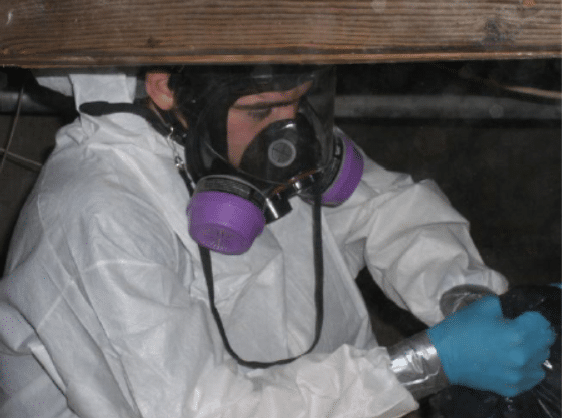
A.M. Shield Waterproofing’s approach to mold remediation is a comprehensive solution that focuses on addressing the root cause of the problem, not just cleaning what’s visible. Their process begins with a thorough inspection by a professional, third-party expert to identify the full extent of the mold and pinpoint the source of the moisture that feeds it. Once the assessment is complete, the team takes critical steps to isolate the contaminated area, sealing it off to prevent the spread of spores to other parts of the home before any removal work begins.
With the area safely contained, A.M. Shield leverages its core waterproofing expertise to repair the underlying water source, a paramount step in preventing future growth. After the leak or drainage issue is resolved, the actual mold removal and disinfection process begins, using eco-friendly fungicides and specialized techniques. Finally, a post-remediation evaluation by a third party is conducted to confirm that the mold has been effectively removed and the environment is safe, ensuring a complete and lasting solution.

PREVENTING MOLD
Preventing mold in your basement is all about controlling moisture. Here are some key things homeowners can do to keep their basements dry and moldfree:
- Control Humidity Levels: Mold thrives in humid environments. Aim to keep your basement's relative humidity below 60%, ideally between 30-50%.
- Use a Dehumidifier: This is one of the most effective ways to reduce humidity. Choose a dehumidifier appropriate for the size of your basement and empty it regularly (or connect it to a drain).
- Improve Ventilation: Open windows and doors when the weather permits to allow fresh air to circulate. Consider installing exhaust fans, especially in laundry areas or basement bathrooms, to vent moisture outside.
- Inspect for Leaks: Any source of water is an open invitation for mold.
- Seal Cracks: Seal any cracks in your basement walls, floors, and foundation to prevent water from seeping in from the outside. Epoxy and hydraulic cement are common sealants.
- Address Exterior Drainage:Ensure your home's exterior grading slopes away from the foundation, directing rainwater away from the house. Clean and maintain gutters and downspouts regularly to prevent clogs and ensure water is channeled at least 6 feet away from the foundation.
- Check Sump Pump:If you have a sump pump, ensure it's functioning correctly and consider a battery backup system for power outages.
- Manage Condensation:Cold surfaces in a humid environment can lead to condensation, a prime spot for mold.
- Insulate Pipes: Insulate cold water pipes to prevent condensation from forming on their surfaces.
- Promote Air Circulation: Stagnant air can contribute to moisture buildup.
- Declutter: Keep your basement clean and decluttered to allow for better airflow. Avoid storing items directly against walls.
- Elevate Stored Items: Store boxes and other items on shelves or pallets to keep them off the floor and allow air to circulate underneath. Use plastic containers instead of cardboard, as cardboard is an organic material that mold loves to feed on.
- Clean Regularly: Regular cleaning helps remove dust and potential mold spores.
- Dust and Vacuum: Frequently dust and vacuum your basement, especially in corners and damp areas. Using a vacuum with a HEPA filter can help capture mold spores.
- Consider Mold-Resistant Materials: If you're finishing or renovating your basement, opt for materials that are less prone to mold growth.
- Mold-Resistant Drywall: This typically has a fiberglass facing instead of paper, which is a food source for mold.
- Mold-Resistant Paint: Contains antimicrobial agents to inhibit mold growth on the paint film.
- Inorganic Flooring: Consider tiles or luxury vinyl tile (LVT) instead of carpeting, which can trap moisture and mold spores.
- Steel Framing: Steel studs are mold-proof and won't rot or swell like wood.
BEFORE
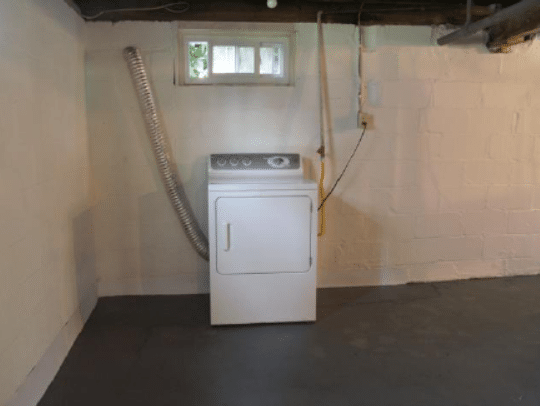
AFTER

A.M. Shield Waterproofing is the solution to your basement waterproofing needs in Long Island, Queens and Westchester, NY.
With our team of experts and commitment to quality service, you can enjoy a dry and secure basement.

