
Are you constantly battling allergies and can’t pinpoint the cause? Surprisingly, your home—specifically areas like air ducts and furniture—could be harboring mold that’s tough to detect but significantly impacts your health. This article will dive into effective mold remediation strategies, tackling common causes of infestation and actionable steps homeowners can take. By engaging with this content, you’ll learn how to navigate the complexities of mold cleaning services and secure a mold-free home environment. We’ll also share preventative measures so that once you’ve dealt with the issue, you can keep your space safe and healthy for the long haul. Let’s solve that persistent allergy problem by targeting its source together.
Understanding Mold Remediation and Its Impact on Home Health
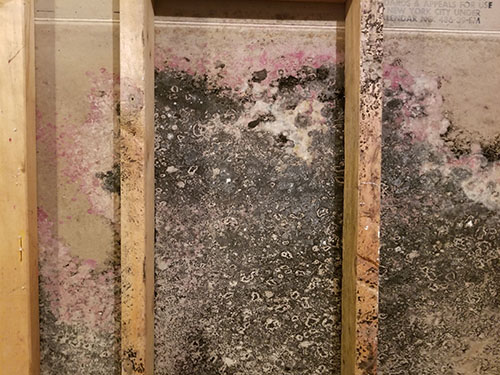 Mold infestations in homes can go from a nuisance to an emergency if left unchecked. Exposure to mold carries serious health risks, triggering reactions such as a runny nose or more severe respiratory issues. This section explores the dangers of mold in living spaces, shedding light on the health consequences of enduring mold presence and offering guidance on identifying early signs of contamination. As part of comprehensive home improvement efforts, recognizing and responding promptly to signs of mold, such as discoloration or a persistent leak, is essential for maintaining a healthy environment.
The Dangers of Mold in Living Spaces
When mold takes hold within the walls of a home, the consequences can range from structural damage to severe health risks. The experiences of homeowners often underscore the urgency of addressing mold issues; respiratory problems and allergic reactions are common among those exposed to moldy environments. Seeking “mold mitigation near me” becomes not just a search for property maintenance but a critical step towards safeguarding health and avoiding the substantial cost of widespread mold elimination.
Mold remediation often requires more than just a simple cleanup with detergent; it entails a thorough process to remove and prevent future growth. Expertise in mold mitigation is vital, as improper handling can exacerbate the problem, spreading spores through the air. Homeowners benefit from understanding the importance of professional intervention, which turns their immediate efforts of mold identification and cleanup into long-term solutions for a healthier home environment.
Health Risks Associated With Prolonged Mold Exposure
The Centers for Disease Control and Prevention (CDC) warns that prolonged exposure to mold can lead to an array of health issues, particularly respiratory in nature. Individuals with prolonged mold exposure may face an elevated risk of developing conditions such as chronic obstructive pulmonary disease (COPD), as well as exacerbating symptoms in those with asthma or allergies. It is crucial to employ an effective mold and mildew remover as part of a remediation strategy to mitigate these risks and maintain indoor air quality.
Moreover, it is vital to understand that products such as paint or sealants may temporarily conceal mold but cannot address the underlying moisture problems that cause mold growth. While asbestos is not directly related to mold, its presence can complicate remediation efforts; specialists must take care to navigate both hazards efficiently. Homeowners should prioritize safe mold removal and moisture control practices to prevent a recurrence and safeguard their health against the potentially severe impacts of mold infestations.
Recognizing Early Signs of Mold Infestation
Spotting the early signs of a mold infestation is crucial for prompt mold treatment, helping prevent extensive damage and health issues. Homeowners should be vigilant for musty odors, visible growth on walls and surfaces, and signs of water damage like stains or discoloration, often after events like a flood. By identifying these early warnings, remediation efforts can commence sooner, involving professionals equipped with personal protective equipment to safely and effectively tackle the issue.
Controlling humidity levels within the home also plays a pivotal role in mitigating mold growth. Regularly inspecting areas prone to moisture, such as bathrooms and basements, can alert homeowners to potential problems before they escalate. When anomalies are detected, engaging in a process of mold remediation that includes thorough cleaning and drying can help restore the health of the living space and prevent future occurrences.
Identifying Common Causes of Mold Growth
Moisture issues are the primary catalysts for mold growth in homes, prompting the need for meticulous inspection processes. Understanding the high-risk areas where mold is prone to accumulate is essential, specifically in spaces lacking proper ventilation and filtration. Homeowners and professionals should know how to conduct a comprehensive mold inspection, which includes checking for condensation and using tools like duct tape to seal potential moisture entry points. Addressing these concerns swiftly is critical for those with conditions like asthma that can be exacerbated by mold exposure.
Moisture Issues Leading to Mold Development
Basements and attics stand as the most common residential zones where unchecked moisture can breed mold development rapidly. These areas often lack adequate ventilation and consistent climate control, which creates an ideal environment for mold to flourish. Homeowners seeking to protect their living spaces from degradation should consider reaching out to mold experts near me for a thorough inspection and effective remediation solutions that can successfully avert potential health risks.
Effective mold prevention hinges on intervening in moist conditions that escalate mold growth on surfaces from walls to ceilings. Utilizing quality disinfectants during regular cleaning can aid in suppressing mold spores before they multiply, but it is equally crucial to address the sources of dampness. Sealing leaks, ensuring adequate airflow, and employing dehumidifiers are practical steps that safeguard against the pervasive issue of mold, ensuring the structural integrity and health of a home’s environment.
High-Risk Areas in the Home for Mold Accumulation
High-risk areas for mold in the home often include spaces where humidity and poor ventilation intersect. The shower, for example, is a common site for mold accumulation due to daily exposure to water and steam, which may settle on tiles and grout if not adequately ventilated. Homeowners can tackle this risk by applying quality caulk to seal gaps and using proper ventilation techniques to keep surfaces dry, steps essential in effective mold removal.
Another problematic zone is the home’s flooring near doors and windows, where moisture can intrude due to ineffective drainage or weatherproofing. Water can seep into floor materials, creating a breeding ground for mold if not quickly addressed. Regular inspection of these areas and proactive repairs, including the sealing of cracks and the improvement of drainage systems, are practical mold prevention measures that maintain the health of a home environment.
How to Conduct a Thorough Mold Inspection
Conducting a thorough mold inspection requires attention to spots where infamous culprits like Stachybotrys chartarum, commonly known as black mold, may lurk. A savvy handyman or a certified mold inspector will use high-efficiency particulate air (HEPA) filters and moisture meters to detect mold presence and moisture levels in hidden areas. The United States Environmental Protection Agency (EPA) suggests a methodical approach to inspections, which includes checking behind walls and under floors, as these are prime locations for mold to thrive undetected.
Detecting and documenting moisture sources is a critical step in mold inspections. By using infrared cameras and hygrometers, professionals can locate the origins of moisture that may not be apparent to the naked eye. This detailed analysis is instrumental in preventing future growth by creating a targeted plan for moisture control, addressing the homeowner’s concerns about potential health risks and the integrity of their living environment.
Effective Mold Remediation Strategies for Homeowners
Homeowners must adopt safe removal techniques to effectively combat different types of mold, which could otherwise undermine the health of their home environment. Professional mold remediation services offer essential expertise, backed by certification and insurance, to ensure environmental protection. Equipping oneself with the necessary tools and equipment, such as biocides for bathroom mold, is pivotal for successful mold cleanup. The following sections delve into these strategies, highlighting their importance in maintaining the cleanliness and safety of a home.
Safe Removal Techniques for Different Types of Mold
Property owners tackling different types of mold should start with hepa-filtered vacuums, which are essential tools for containing and removing spores from affected areas. Following vacuuming, the application of EPA-registered fungicides tackles mold on a cellular level, exterminating colonies without harming surfaces. Trusting mold remediation services with these tasks ensures safety, as contact with mold can irritate skin and cause further complications.
Addressing mold at its source often involves plumbing repairs to prevent future growth. Comprehensive mold remediation services will not only remove existing infestations but also advise on correcting moisture issues and improving internal air quality. Timely prevention and adept repair of plumbing leaks, complemented by drying and sterilization, are the hallmarks of successful, long-term mold control.
Utilizing Professional Mold Remediation Services
A mold remediation company serves as a vital relay between persistent mold issues and the return of a customer’s home to a safe state. By isolating the affected area with polyethylene sheeting and employing advanced removal techniques to extract mold from drywall and other materials, these professionals ensure that the remediation process rigorously follows industry standards, thereby effectively mitigating health risks and restoring indoor environmental quality.
Customers seeking long-term solutions benefit greatly from the specialized equipment and detailed protocols that a certified mold remediation service provides. Their approach to systematically dry out damp areas, remove contaminated materials, and apply antimicrobial agents not only addresses visible issues but also shields the home from future mold challenges, reaffirming the importance of professional expertise in maintaining a wholesome living environment.
Necessary Tools and Equipment for Mold Cleanup
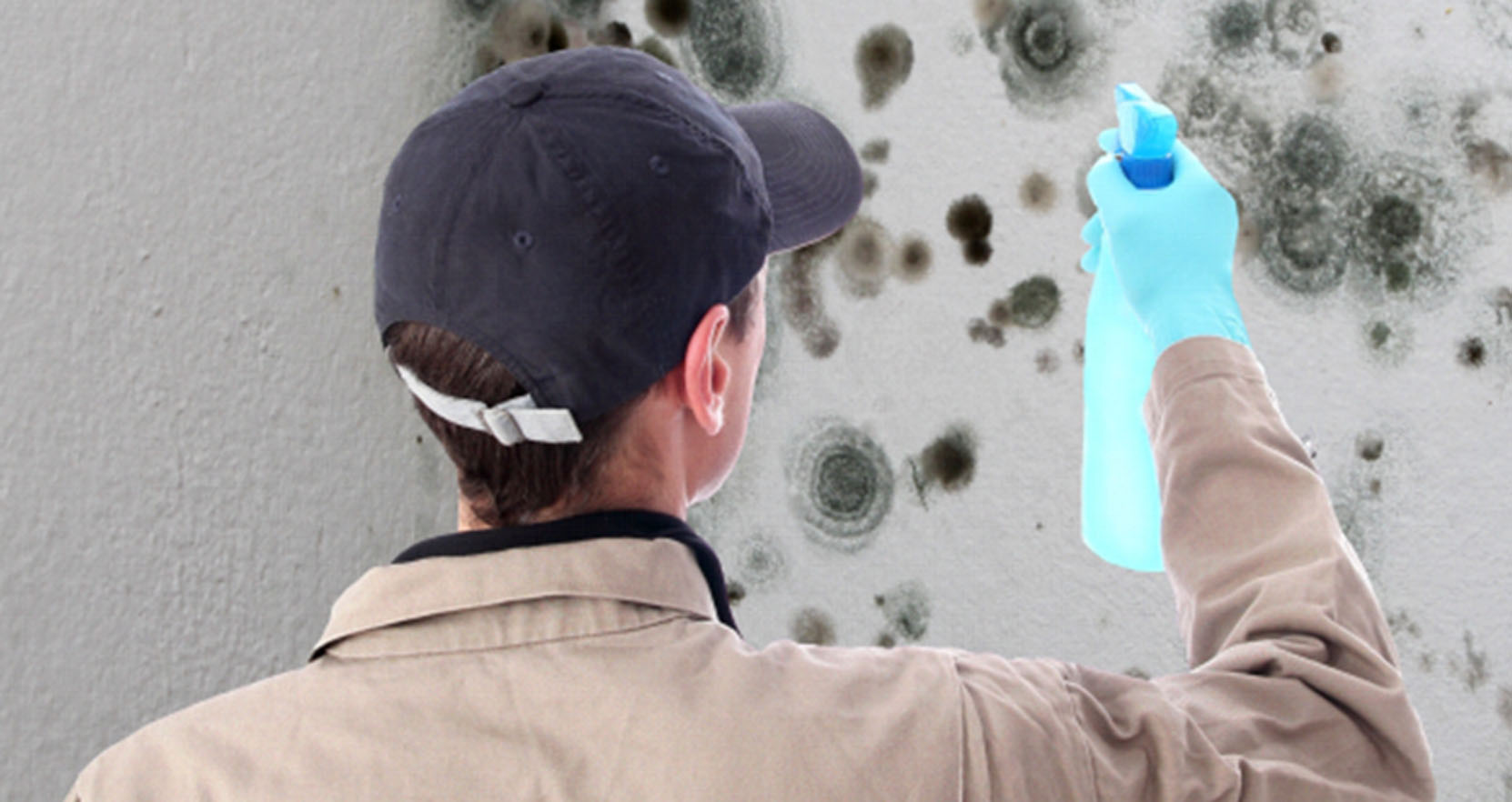 Equipping oneself for mold cleanup is crucial, especially following water damage that promotes mold growth on materials such as wood. A mold specialist will typically employ moisture meters for identifying damp areas, HEPA (High-Efficiency Particulate Air) vacuums for spore filtration, and specialized cleaning agents that target fungal infestations. These tools, together with the knowledge of mold behavior and remediation policy, form the foundation for a homeowner to tackle mold effectively, safeguarding against disease and potential health risks.
Delving into the cleanup phase without the proper equipment can exacerbate issues, hence why engaging with the right tools is part of an effective mold remediation strategy. Heavy-duty gloves, goggles, and respirators are essential for personal protection, while air scrubbers and dehumidifiers maintain an environment hostile to mold survival. Mold specialists prioritize these tools to not only remediate current growth but also to preserve the integrity of materials prone to moisture retention, providing a comprehensive solution to protect home health.
Mold remediation is essential for maintaining a healthy living space, as ignoring mold growth can lead to significant health risks and structural damage. Employing professional services ensures thorough removal and prevention strategies, safeguarding home environments from the persistent threat of mold. Incorporating moisture control and regular maintenance is vital to prevent recurrence and sustain high indoor air quality. Ultimately, the implementation of mold-resistant materials and vigilant checks underlies a robust approach to ensuring a safe and enduringly mold-free home.

A.M. Shield Waterproofing recently awarded the Basement Health Association STAR Award for exceptional customer care for the fifth year in a row. Servicing Long Island, NYC and Westchester with Nationally Certified Waterproofing and Mold Remediation Specialists they are able to provide the highest level of professional solutions. A.M. Shield has the widest range of services available to property owners in the greater New York area utilizing multiple techniques in exterior foundation waterproofing, interior drainage, foundation crack injections and foundation repair solutions,. A.M. Shield™s environmental division will assess the damage, repair the problem and create a healthy environment for property owners who experience mold or moisture problems.
