
Winter on Long Island brings a unique mix of coastal storms, freeze–thaw cycles, and a high seasonal water table that combine to increase basement moisture risk, so preparing your basement with targeted waterproofing tips can prevent leaks, mold, and costly repairs. This guide explains what causes winter basement problems, describes practical exterior and interior defenses, and maps clear seasonal actions homeowners can take to prepare a basement for winter on Long Island. You will learn how gutters, grading, and exterior foundation waterproofing reduce hydrostatic pressure; how interior systems like sump pumps, French drains, and insulation work together to keep basements dry and energy-efficient; and how to spot warning signs that require professional basement waterproofing help. The article also covers frozen-pipe prevention, mold-control strategies, smart monitoring options, and the decision thresholds for hiring contractors before Nor’easters or rapid thaws. Throughout, the guidance emphasizes Long Island-specific geology and climate, quantifies sensible R-value targets for basement insulation, and shows how modern smart sump pumps and humidity sensors add winter reliability.
How Can Long Island Homeowners Prevent Basement Leaks During Winter?
Preventing basement leaks during winter starts with prioritized, seasonal waterproofing tips that address both surface runoff and subsurface flow so you reduce leak risk and energy loss. The following top actions focus on timing and impact so homeowners can prepare before the freeze–thaw and storm seasons. These steps are practical for most properties and will lower hydrostatic pressure on foundations, reduce soil saturation around the house, and cut the chance of infiltration through cracks and seams.
Long Island homeowners can use these top prevention steps:
- Inspect and clear gutters and downspouts before the first freeze to ensure unobstructed roof runoff away from the foundation.
- Extend downspouts at least 4–6 feet from the foundation or to a safe drainage path to prevent pooling next to walls.
- Confirm yard grading slopes away from the foundation (minimum 6 inches fall over 10 feet) and repair low spots that trap water.
- Test and service your sump pump and battery backup in advance of storm season to ensure reliable operation during outages.
- Seal visible foundation cracks and penetrations with appropriate winter-grade sealants or temporary hydraulic cement until permanent repairs can be scheduled.
Putting these actions into practice reduces immediate leak risk and prepares longer-term fixes like exterior membrane work or French drain installation. Prioritizing gutters and grading before heavy rains or snowmelt delivers the quickest reduction in surface-driven basement seepage. If these homeowner measures fail to stop recurring water during winter storms, consider arranging an expert assessment to diagnose deeper drainage or hydrostatic issues and plan repairs accordingly.
What Are the Common Causes of Basement Leaks in Long Island Winters?
Common causes of basement leaks on Long Island include a high seasonal water table, heavy precipitation from Nor’easters, snowmelt surges, and freeze–thaw damage that opens hairline cracks. Saturated soil raises hydrostatic pressure against foundation walls, driving water through microcracks or poorly sealed joints. Coastal geology and low-lying parcels can exacerbate pooling and subsurface flow, especially after prolonged rain or rapid warm spells following snow events. Clogged gutters and undersized or disconnected downspouts concentrate roof runoff at the foundation line, increasing seepage risk. Understanding these causes helps prioritize interventions: remove standing surface water, relieve subsurface pressure with drainage systems, and seal openings before they enlarge during freeze cycles.
Understanding the fundamental principles of water management is crucial for preventing basement leaks, as outlined in various homeowner guides.
Which Exterior Waterproofing Methods Best Protect Basements from Winter Moisture?
Exterior solutions target the source of winter moisture by preventing water from reaching foundation walls and by redirecting groundwater away from the structure. Exterior waterproofing membranes and coatings form a continuous barrier that resists saturation, while exterior French drains or sub-surface drainage systems collect and divert groundwater to safe discharge points. Exterior sealants provide short-term protection but can weather or fail under repeated freeze–thaw stresses. Professional installation is usually required for membranes and sub-surface drains because proper excavation, grading, and backfill influence long-term performance. For winter readiness, prioritize remediation that reduces hydrostatic load—grading and gutter management first, then drain and membrane work when budgets and timing allow.
What Exterior Maintenance Steps Are Crucial for Winter Basement Waterproofing in Long Island?
 Exterior maintenance is the frontline defense for winter basement waterproofing on Long Island; timely actions on roofs, gutters, and grading directly reduce the volume of water that reaches foundations. Seasonal maintenance focuses on preventing roof runoff from concentrating at the foundation line, ensuring ground slopes carry water away, and maintaining sealant integrity around penetrations.
Before the checklist below, inspect the property for evidence of past pooling or erosion and note areas where water flows toward the foundation.
- Clean gutters and downspouts at least twice in late fall and again after significant leaf drop to prevent clogs that create overflow and ice-damming.
- Install or confirm downspout extensions that discharge 4–6 feet from the house or into a safe drainage swale, especially on flat lots.
- Regrade soil near the foundation to slope away from the house (6 inches of fall over the first 10 feet) and install surface drains or swales where water concentrates.
Regularly performing these steps reduces immediate overflow risks and helps prevent ice dams that can redirect water into soffits and wall cavities. After performing surface fixes, evaluate whether sub-surface drainage or professional exterior foundation waterproofing is needed based on recurring water presence.
Intro to the exterior maintenance comparison table: the table below compares common exterior maintenance actions by seasonal timing, DIY difficulty, and impact on basement moisture to help homeowners prioritize tasks before winter.
| Exterior Action | Seasonal Timing | DIY Difficulty | Impact on Basement Moisture |
|---|---|---|---|
| Gutter cleaning | Late fall, after leaf drop | Low | High — prevents overflow near foundation |
| Downspout extension | Before freeze/thaw cycles | Low–Medium | High — redirects runoff away from foundation |
| Yard grading corrections | Fall or early spring | Medium | High — reduces pooling against foundation |
| Surface drains / swales | Before storm season | Medium–High | Medium–High — channels water away from structure |
This comparison shows that simple gutter and downspout work yields high immediate impact for low effort, while grading and surface drains require more work but address root causes of pooling and seepage. Prioritize quick wins first, then schedule larger drainage projects when conditions permit.
How Do Gutter and Downspout Systems Prevent Winter Water Damage?
Gutters and downspouts collect roof runoff and prevent it from saturating soil near the foundation, so keeping them clear and properly routed is essential for winter waterproofing. When gutters are clogged, water spills over and soaks the perimeter soil, increasing hydrostatic pressure on foundation walls and heightening the chance of seepage and freeze-related damage. Downspout extensions should direct water several feet away from the foundation or into a defined drainage path to avoid concentrated discharge at the foundation line. Ice dams form when heat loss from the roof melts snow that refreezes at the eaves, potentially forcing water under shingles; adequate attic insulation and roof venting reduce ice dams, while heated cables and careful gutter maintenance mitigate their effects. Routine inspection before winter ensures these systems perform when storms and rapid melts arrive.
Why Is Proper Yard Grading and Drainage Vital for Winter Basement Protection?
Proper grading ensures surface water flows away from the foundation rather than pooling next to it, making grading a vital element of winter basement protection for Long Island homes. A recommended slope is at least 6 inches of drop over the first 10 feet away from the foundation; when that cannot be achieved, swales, shallow trenches, or driveable grading options can redirect runoff. Low-cost fixes include adding topsoil to low spots and installing rock-lined channels to guide water; more complex fixes like regrading driveways or adding catch basins may require professionals. Long Island soils can be compact and slow-draining, so combining grading with sub-surface drains or French drains can be especially effective. Ensuring surface drainage functions before freeze–thaw cycles will reduce the frequency of basement seepage during winter storms.
How Should You Fortify Your Basement Interior Against Winter Moisture and Cold?
Interior fortification focuses on systems that intercept water that reaches the foundation and on measures that control cold-related problems like condensation and frozen pipes. Primary interior defenses include interior French drains tied to a reliable sump pump, mechanical dehumidification to control RH and mold risk, and targeted insulation with proper vapor-control placement to manage condensation. The combined strategy redirects subsurface water away from living spaces while maintaining temperatures and humidity levels that reduce freeze and mold threats. Selecting the right mix depends on the severity of exterior drainage limitations and the homeowner’s willingness to perform maintenance or hire professionals.
Below is a compact comparison of interior systems for winter performance and homeowner considerations.
| System | Cost Range | Winter Effectiveness |
|---|---|---|
| Sump pump (standard + basin) | $500–$1,200 | High — actively removes collected water |
| Sump pump with battery backup | $800–$2,000 | Very High — maintains operation during outages |
| Interior French drain | $1,000–$5,000 | High — relieves hydrostatic pressure inside foundation |
| Dehumidifier (basement-sized) | $200–$800 | Medium — controls RH, reduces mold risk |
| Rigid foam insulation (walls) | $20–$40 per sheet | High — reduces condensation when installed correctly |
This table clarifies tradeoffs: pumping and drainage systems address water entry directly, while dehumidification and insulation reduce secondary damage from moisture and cold. In winter, redundant systems such as a battery backup for pumps and active humidity control provide the highest resilience.
What Role Do Sump Pumps and French Drains Play in Winter Basement Waterproofing?
Sump pumps and interior French drains work together to collect subsurface water and expel it away from the building, reducing hydrostatic pressure and preventing basement flooding. An interior French drain captures water that tracks along the footing and directs it into a sump basin; the sump pump then lifts that water to a safe discharge point. In Long Island winters, power outages during Nor’easters are a real risk, so a sump pump with battery backup or a water-powered backup increases winter reliability. Smart sump pumps add remote alerts and self-test features that notify homeowners of issues before they lead to floods. Regular winter maintenance includes testing pump operation, clearing float switches, and verifying backup power and discharge lines are free of blockages.
How Can Sealing Cracks and Penetrations Prevent Winter Water Intrusion?
Sealing cracks and penetrations stops direct entry points for water that can otherwise exploit freeze–thaw widening and hydrostatic-driven flow, yielding immediate improvement in basement dryness. For hairline cracks, polyurethane or epoxy injection can create a durable internal seal; hydraulic cement provides a quick, temporary winter patch for active leaks. Exterior sealing may reduce surface-driven seepage but can fail if hydrostatic pressure remains high, so sealing is often paired with drainage solutions. Homeowners can apply temporary fixes before winter, but recurring or widening cracks, stair-step patterns, or wall bowing suggest structural issues requiring professional evaluation and possibly underpinning or complete exterior membrane installation. Timely sealing prevents small problems from becoming large, costly repairs.
Which Basement Insulation Types Improve Winter Energy Efficiency and Moisture Control?
Choosing the right basement insulation improves comfort and energy efficiency while reducing condensation and mold risk; common options include rigid foam, spray foam, and batt insulation with appropriate vapor management. Rigid foam (extruded or expanded polystyrene) provides continuous thermal resistance and resists moisture; spray foam offers excellent air sealing and high R-value per inch but requires careful application and ventilation control. For Long Island (NY State Energy Code Zone 4), aim for wall R-values in the range recommended by current guidance—practical targets often fall between R-10 and R-15 continuous insulation for conditioned basements—while slab-edge and rim-band details deserve attention. A vapor barrier should be placed on the warm side of insulation where condensation risk exists, and materials should be chosen to avoid trapping moisture inside wall assemblies. Proper insulation is the thermal complement to waterproofing systems and helps prevent condensation-related mold growth in winter.
How Can Long Island Homeowners Prevent Winter-Specific Basement Issues Like Frozen Pipes and Mold?
Preventing frozen pipes and mold requires attention to temperature, insulation, humidity control, and rapid response when anomalies appear. Basements are vulnerable because pipes may be located in unheated wall cavities, and elevated humidity from soil moisture or minor leaks promotes mold during cold months. Combining pipe insulation, maintaining minimum basement temperatures, and active dehumidification creates a layered defense that protects plumbing and indoor air quality. Monitoring with smart sensors provides early warnings for temperature drops or rising relative humidity so homeowners can act before damage occurs.
Intro to the pipe and mold checklist: below are practical, prioritized steps to reduce the most common winter threats to basements.
- Insulate exposed water pipes with foam sleeves or heat tape where recommended to prevent freezing.
- Maintain a basement temperature above 45°F where pipes are present and open cabinet doors to circulate heat.
- Use a basement-capacity dehumidifier set to maintain relative humidity below 50% to inhibit mold growth.
- Install smart temperature and humidity sensors that alert you to dangerous trends during storms or power outages.
These actions reduce the immediate risk of burst pipes and mold proliferation. If you notice persistent dampness, visible mold beyond small patches, or repeated pipe freezes, escalate to professional services to diagnose insulation gaps, leaks, or systemic ventilation issues.
What Are the Best Practices to Prevent Frozen and Burst Pipes in Basements?
Best practices include insulating vulnerable pipes, maintaining baseline heat, shutting off and draining exterior lines before freezing periods, and deploying monitoring tools that alert you to rapid temperature drops. Foam pipe insulation is a low-cost, DIY-friendly solution for accessible piping, while heat tape or cable can protect especially exposed runs when installed following manufacturer guidance. Keeping a stable basement temperature and allowing slight water flow through faucets during extreme cold prevents stagnation and freezing in long runs. Smart sensors that notify you of temperature excursions and sump pump failures are especially valuable during winter storms and power interruptions, enabling emergency responses that limit water damage from burst pipes.
How Can You Control Mold and Mildew Growth During Long Island Winters?
Controlling mold and mildew hinges on keeping relative humidity below 50%, fixing leaks promptly, and ensuring adequate airflow in basements and crawl spaces. A properly sized dehumidifier removes moisture produced by soil evaporation and indoor sources; choose capacity based on basement square footage and estimated moisture load. Routine inspections—especially after storms or thaw events—catch small mold patches early so homeowners can clean them with appropriate cleaners and protective equipment. For larger infestations, professional mold remediation is safer and ensures underlying moisture sources are resolved. Maintaining insulation and vapor management reduces condensation on cold surfaces that can feed mold during winter.
What Is Hydrostatic Pressure and How Does It Affect Long Island Basements in Winter?
Hydrostatic pressure is the lateral force exerted by saturated soil and groundwater against foundation walls, and winter conditions on Long Island often intensify that pressure through heavy precipitation, snowmelt, and frozen ground that reduces drainage. Increased hydrostatic pressure drives water through cracks, mortar joints, and floor-wall interfaces, producing leaks and forcing moisture into living spaces. Mitigation requires relieving groundwater loads via grading, sub-surface drainage, exterior membranes, or interior drain and sump systems; redundancy like backup pumps is important because winter storms and power outages often coincide, increasing flood risk. Understanding hydrostatic pressure’s role helps homeowners prioritize drainage and structural defenses before the season of highest risk.
Intro to the hydrostatic mapping table: this table links common hydrostatic-related issues to their primary causes and the most effective practical solutions for winter conditions.
| Issue | Cause | Effective Solution(s) |
|---|---|---|
| Wall seepage after thaw | Saturated soil + rapid melt | Exterior drainage + interior French drain + sump |
| Floor joint leaks | High water table under slab | Interior slab drainage or exterior excavation and membrane |
| Crack propagation | Freeze–thaw expansion | Crack sealing + exterior membrane + relieve hydrostatic load |
Reducing hydrostatic pressure is often a multi-step process: improve surface drainage, install or repair sub-surface drains, and provide reliable pumping. Each layer of defense diminishes the force pushing water toward basement openings.
Effectively managing bulk water is a cornerstone of foundation durability and basement health, as it directly impacts structural integrity and indoor air quality.
Bulk Water Control for Foundation Durability and Basement Health
Successfully executing strategies to control bulk water for foundations is critical for building durability, indoor air quality, and creating acceptable conditions and/or living spaces within the foundation space. Although the energy impacts of properly done bulk water control are small to insignificant, it should be considered a base requirement for any high performance house. In addition, measures such as basement insulation are predicated on properly managed foundation bulk water.
Bulk water control methods for foundations, K Ueno, 2010
How Does Winter Weather Increase Hydrostatic Pressure on Basement Foundations?
Winter raises hydrostatic pressure through heavy precipitation, snow accumulation, and subsequent rapid melting that saturates soils faster than they can drain, particularly where ground is frozen and infiltration slows. Frozen ground acts like a temporary barrier, diverting meltwater laterally toward foundations and creating surge flows after thaw events. Coastal storms and Nor’easters can dump large volumes of precipitation, and when followed by warmer spells, the melt creates short-term spikes in groundwater levels. Over time, repeated freeze–thaw cycles can also widen cracks and joints in masonry, increasing permeability and exacerbating hydrostatic-driven infiltration.
What Solutions Effectively Manage Hydrostatic Pressure to Protect Basements?
Managing hydrostatic pressure requires a layered strategy: keep surface water away with proper grading and gutters, install sub-surface drains or French drains to intercept groundwater, and use interior drainage tied to a reliable sump pump to remove collected water. Exterior membranes and positive drainage prevent direct saturation of foundation walls, while interior systems provide a retrofit option when exterior excavation isn’t feasible. For winter resilience, include redundancy such as a sump pump battery backup and routine testing; smart monitoring systems that send alerts during storms add early warning and can prevent flood escalation. Combining these approaches reduces the force acting on foundation walls and minimizes leak potential.
When Should Long Island Homeowners Consider Professional Basement Waterproofing Services for Winter?
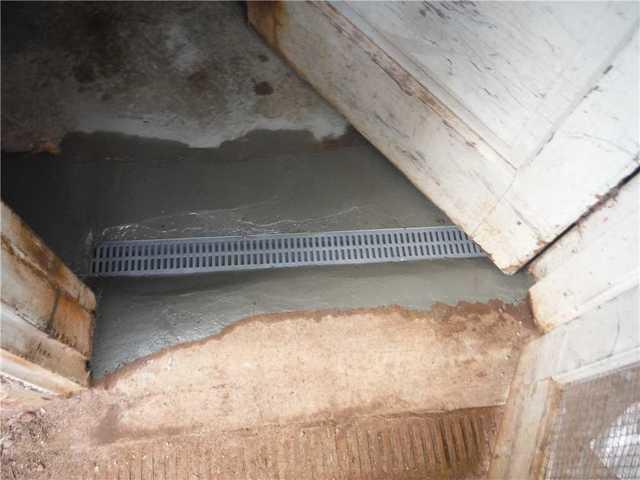 Homeowners should consider professional basement waterproofing when DIY measures no longer stop water entry, when structural indicators appear, or when recurring failures coincide with severe weather events; professional assessment clarifies root causes and recommends long-term solutions. Professionals can perform diagnostic tests—like water table assessment, thermal scans, and crack mapping then propose targeted interventions such as exterior membrane installation, full French drain systems, underpinning, or monitored sump setups. Modern pros also offer smart sump pump installations with remote alerts and battery backup integration that are especially valuable in Long Island winters. When deciding to hire a contractor, prioritize those who discuss multiple defense layers and provide clear explanations of long-term maintenance needs.
Before engaging a contractor, this checklist helps prioritize urgency and expected scope:
- Recurring water entry after storms despite clear gutters and grading adjustments.
- Visible structural signs such as stair-step foundation cracks, bowed walls, or heavy efflorescence.
- Sump pump failures during storms or loss of power without a reliable backup.
These indicators suggest systemic issues that benefit from professional diagnosis and permanent repairs rather than temporary homeowner fixes. Ask prospective professionals about diagnosis methods, the proposed combination of exterior and interior systems, and winter readiness features like battery-backed pumps and monitored alarms.
What Are the Signs That Indicate the Need for Expert Winter Waterproofing Help?
Warning signs include persistent seepage after storms, new or widening foundation cracks, bulging or bowing walls, efflorescence or spalling concrete, and repeated sump pump cycling or failures during wet periods. If water returns after reasonable DIY remedies—gutter cleaning, downspout extension, and localized grading—this indicates a deeper drainage or hydrostatic problem. Structural symptoms like stair-step cracks in masonry or noticeable wall movement require prompt professional evaluation to prevent escalation. Prioritizing an expert assessment before prolonged freeze–thaw cycles or major Nor’easters can prevent emergency repairs and property damage.
How Do Modern Technologies Like Smart Sump Pumps Enhance Winter Basement Protection?
Smart sump pumps enhance winter protection by providing remote alerts, automatic self-tests, and integration with battery backup systems to maintain operation during outages; these features reduce the risk of unnoticed pump failure during storms. Remote monitoring notifies homeowners and service providers of rising water levels or pump malfunctions so corrective action can be taken before flooding occurs. Auto-test functions verify battery health and float operation, while some systems offer professional monitoring or cloud-based alerts for added peace of mind. When combined with physical redundancies, dual pumps, water-tight discharge routing, and surge protection, smart technologies significantly improve winter reliability.
For homeowners seeing multiple warning signs recurrent leaks, structural cracks, or unreliable pumping, arrange a professional inspection to evaluate combined exterior and interior defenses and to discuss smart, battery-backed pump solutions and monitored systems that are well suited to Long Island winters.

A.M. Shield Waterproofing recently awarded the Basement Health Association STAR Award for exceptional customer care for the fifth year in a row. Servicing Long Island, NYC and Westchester with Nationally Certified Waterproofing and Mold Remediation Specialists they are able to provide the highest level of professional solutions. A.M. Shield has the widest range of services available to property owners in the greater New York area utilizing multiple techniques in exterior foundation waterproofing, interior drainage, foundation crack injections and foundation repair solutions,. A.M. Shield™s environmental division will assess the damage, repair the problem and create a healthy environment for property owners who experience mold or moisture problems.
