
Living near the coast offers many advantages — beautiful views, fresh ocean air, and easy access to beaches. But coastal living also brings unique challenges, especially when it comes to protecting your home from flooding. For homeowners in Long Island and other flood-prone areas, one of the smartest investments you can make is installing a reliable sump pump system.
In this article, we’ll explore why sump pumps are essential for homes in coastal regions, how they work, and the many benefits they provide beyond just flood prevention.
Understanding the Flood Risks in Coastal Areas
 Long Island’s location between the Atlantic Ocean and Long Island Sound puts it at significant risk for:
Heavy rainfall during spring and summer storms
Storm surges from hurricanes and nor’easters
Rising groundwater levels
Flash flooding after snowmelt or sudden storms
Even homes that are several miles inland can experience basement flooding during extreme weather events. Rising water tables, poorly drained soil, and old foundation systems all contribute to the risk.
Without an active way to remove water quickly, basements and crawl spaces can flood — leading to thousands of dollars in damage, health hazards, and structural issues.
How Sump Pumps Work
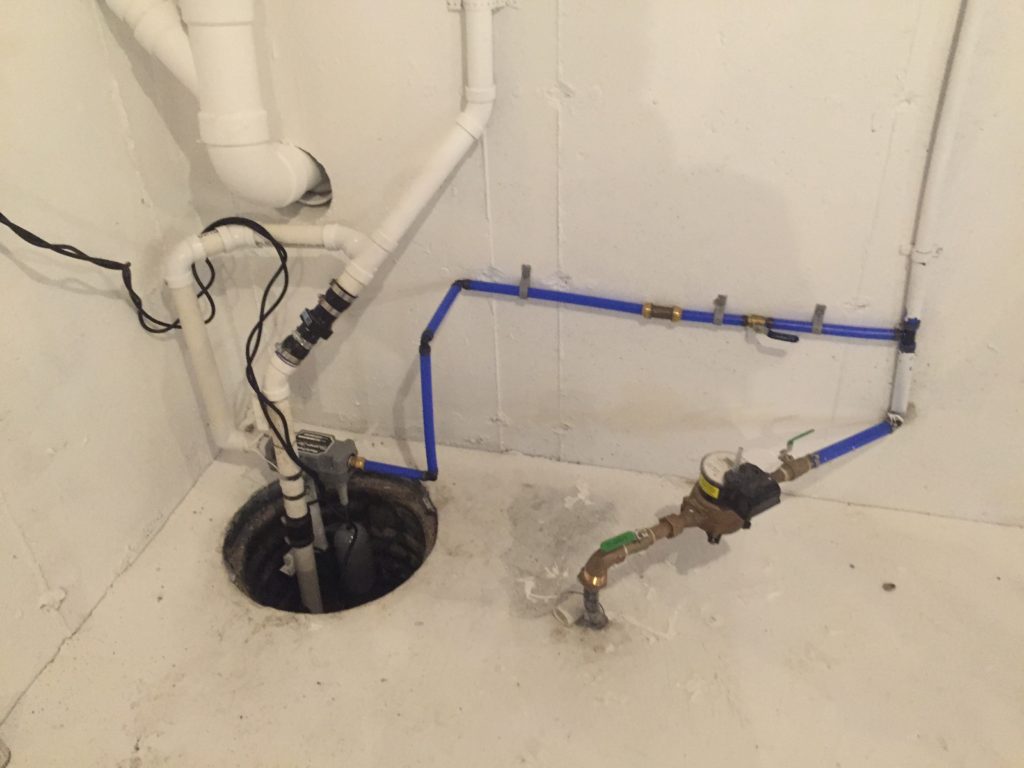
A sump pump is a simple but highly effective device designed to keep your basement dry. Here’s how it works:
A pit (called a “sump basin”) is dug at the lowest point of your basement or crawl space.
When water accumulates around your foundation, it naturally flows into the pit.
When the water level in the pit rises to a certain point, a float switch triggers the sump pump.
The pump activates and moves the water out of the pit, discharging it away from your home to a safe location.
Modern sump pumps often come with alarms, battery backups, and monitoring systems to ensure they work even during power outages — a crucial feature in coastal storms.
Key Benefits of Installing a Sump Pump in Flood-Prone Areas
1. Prevents Costly Water Damage
The average cost to repair a flooded basement can easily run into the tens of thousands of dollars, especially if you have finished living space, appliances, or valuable belongings downstairs.
A properly installed sump pump significantly reduces the risk of:
Flooring damage
Wall deterioration
Furniture and appliance loss
Mold and mildew infestation
By actively removing water before it can accumulate, a sump pump acts as your first line of defense against costly repairs.
2. Protects the Structural Integrity of Your Home
Excess water around your foundation doesn’t just lead to basement flooding — it can also weaken the very structure of your home. Water pressure against foundation walls (known as hydrostatic pressure) can cause cracks, bowing walls, and eventual collapse if not addressed.
A sump pump reduces the buildup of groundwater pressure around your foundation, helping preserve your home’s structural integrity over the long term.
3. Enhances Indoor Air Quality
Basement moisture often leads to elevated humidity levels throughout the home. This can cause mold growth, dust mite infestations, and musty odors that compromise indoor air quality.
By keeping your basement dry, a sump pump helps prevent the conditions that allow mold and allergens to thrive, creating a healthier living environment for your family.
4. Increases Property Value and Buyer Confidence
When it’s time to sell your home, having a sump pump — especially one with a battery backup — is a strong selling point. Buyers are well aware of the flood risks in coastal areas like Long Island.
Homes equipped with modern waterproofing systems, including sump pumps, are more attractive to buyers because they signal that the property has been properly maintained and protected.
5. Provides Peace of Mind During Severe Weather
One of the greatest benefits of a sump pump is peace of mind. When a heavy storm is pounding the coastline or the forecast predicts several inches of rain, knowing that you have a working sump pump offers tremendous relief.
You won’t have to scramble for emergency sandbags or stay up all night checking for basement flooding — your system will automatically take care of rising water levels.
Types of Sump Pumps
There are two main types of sump pumps, and each has its place depending on your needs:
Submersible Sump Pumps
Installed inside the sump pit and completely submerged in water
Quieter operation
Best for homes that need heavy-duty performance and lower noise levels
Pedestal Sump Pumps
Motor sits above the sump pit, with only the pump submerged
Easier to access for maintenance
Often more affordable but slightly noisier
A professional can recommend the best type for your home based on flood risk, basement size, and other factors.
Why a Battery Backup System Is Crucial
One of the biggest risks during coastal storms is losing power — and that’s often when you need your sump pump the most. Without a battery backup, your sump pump won’t work during a blackout, leaving your basement vulnerable.
Installing a battery backup system ensures:
Continued pump operation during power outages
Protection even if the primary pump fails
Extra pumping capacity during severe flooding events
For homeowners in Long Island, a battery backup is not a luxury — it’s a necessity.
Professional Installation vs. DIY
While DIY sump pump kits are available, professional installation is highly recommended, especially in flood-prone areas. Here’s why:
Correct Placement: Professionals ensure the sump pit is installed at the proper location and depth.
Reliable Discharge Routing: Water must be discharged far enough from the home to avoid re-entry.
Proper System Sizing: A pump that’s too small won’t keep up during heavy storms.
Code Compliance: Many local municipalities have regulations around sump pump installations that professionals can navigate.
Hiring a licensed contractor guarantees that your system is installed correctly and will perform reliably when you need it most.
Complementary Flood Protection Measures
 While a sump pump is a major defense tool, it’s most effective when combined with other flood protection strategies:
French Drains: Channel water into the sump pit.
Exterior Waterproofing Membranes: Prevent water from reaching foundation walls.
Grading and Landscaping Adjustments: Direct surface water away from your home.
Window Well Covers: Prevent rainwater from entering basement windows.
Taking a comprehensive approach greatly reduces your home’s risk of flooding.
Conclusion: Protect Your Coastal Home with a Sump Pump
If you live in Long Island or another coastal area prone to flooding, a sump pump isn’t just an optional upgrade — it’s a critical investment in your home’s safety, health, and value.
Installing a professionally designed sump pump system, complete with a battery backup, ensures that your home remains dry even during the worst weather events. You’ll protect your foundation, avoid costly repairs, and enjoy greater peace of mind year-round.
Don’t wait for the next storm to expose vulnerabilities in your home. Take proactive steps now and safeguard your property with the dependable protection of a sump pump.

