
Crawl space moisture poses hidden threats to coastal homes. Salt exposure, high humidity, and frequent precipitation can lead to structural degradation and health issues. This article explains how coastal environmental factors such as saline air, high ambient humidity, and soil and water table conditions contribute to moisture buildup. It details the risks of wood rot, metal corrosion, mold, mildew, and pest infestations, and offers practical strategies for moisture control and remediation. Homeowners are encouraged to inspect their crawl spaces, recognize early signs of dampness, and take timely action to protect their property and indoor air quality.
Understanding Crawl Space Moisture in Coastal Environments
Coastal homes face unique challenges due to high ambient humidity and salty air. These conditions make condensation on cooler surfaces more likely and accelerate the deterioration of building materials.
Why Coastal Homes Are More Susceptible to Crawl Space Moisture
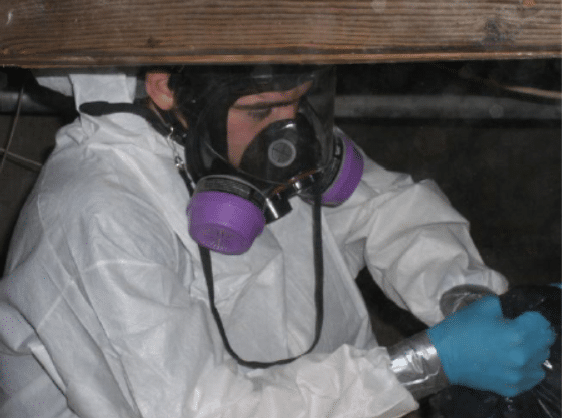 Being near large bodies of water increases humidity levels. Salty ocean air promotes corrosion and moisture absorption in building materials. In many older coastal homes, outdated designs and poor drainage make crawl spaces especially vulnerable to moisture problems that can compromise structural integrity over time.
The Role of High Humidity and Salty Air in Crawl Space Dampness
High humidity contributes to condensation on walls, ducts, and insulation. The corrosive properties of salty air weaken support beams and metal components, encouraging the growth of mold and mildew. These combined effects lead to chronic moisture issues that are costly to repair and harmful to occupant health.
How Soil Type and Water Tables Affect Crawl Space Moisture Levels
Soil type influences moisture behavior near the foundation. Sandy soils may allow water to pass quickly, raising the water table, while clay soils retain water and increase saturation. Heavy rains and rising water tables force moisture upward through capillary action, particularly when drainage is poor. Regular moisture meter readings and professional inspections are critical in monitoring these risks.
Impact of Frequent Rain and Storms on Crawl Space Conditions
Frequent rain, heavy precipitation, and storms in coastal areas can overwhelm drainage systems. Transient flooding and storm surges may force water into crawl spaces. The repeated cycles of wetting and drying lead to cracks in the foundation, providing pathways for further moisture invasion and increasing repair costs.
Identifying Sources of Crawl Space Moisture Intrusion
Common sources include visible water stains, condensation on pipes and walls, and the presence of mold or mildew. Gaps around plumbing lines, poorly sealed vents, foundation cracks, and low-lying landscaping can all channel water into the crawl space. Early detection through routine inspections and moisture meter assessments is essential to reduce the risk of major structural decay.
Structural Damage Caused by Persistent Crawl Space Moisture
Persistent moisture in crawl spaces can severely weaken a home’s structure. The resulting issues include wood rot, corrosion, and foundation instability, leading to expensive repair and replacement costs.
Wood Rot and Decay in Floor Joists and Support Beams
Excess moisture creates an ideal environment for fungi that cause wood rot. Floor joists and support beams may decay over time, reducing their strength and leading to sagging floors. Early detection is crucial, as untreated decay can also invite termite infestations and further structural damage.
Corrosion and Rusting of Metal Components
Exposure to persistent moisture and salt accelerates the oxidation of metal components such as support brackets and ductwork. This corrosion weakens metal fasteners and connections, compromising structural integrity. Regular inspections can help detect early signs of rust and prompt repair to prevent failure.
Foundation Weakening and Potential Collapse
Moisture intrusion may lead to soil erosion and excessive settling under a home’s foundation. Hydrostatic pressure from a rising water table can cause cracks in the foundation walls, further allowing moisture entry. Homeowners should watch for signs like shifting walls or uneven floors and seek professional remediation to stabilize the foundation.
Sagging Floors and Drywall Cracks as Indicators of Damage
Visible signs such as sagging floors and cracking drywall often indicate that moisture has weakened structural supports. These deformations not only reduce the visual appeal of a home but also signal deeper problems that could compromise safety. Prompt moisture control and repair measures are necessary to prevent permanent damage.
Increased Risk of Termite and Other Wood-Destroying Pest Infestations
Damp conditions favor termite and pest infestations. Moist wood, weakened by decay, is more susceptible to termite attack, potentially leading to extensive damage. Regular pest inspections and proactive moisture control can help mitigate these risks.
Health Implications of Dampness Under Your Coastal Home
Moist crawl spaces can have a significant impact on health. High humidity and persistent dampness create conditions for mold, mildew, and bacteria to thrive, which can compromise indoor air quality and trigger respiratory and allergic reactions.
Mold and Mildew Growth Fueled by Crawl Space Moisture
Moist conditions enable the rapid spread of mold and mildew throughout the home. Mold spores can travel via ductwork, leading to discoloration, musty odors, and respiratory issues including asthma and bronchitis. Regular testing and timely remediation using dehumidifiers and vapor barriers are key to limiting mold growth.
Respiratory Problems and Allergy Aggravation From Mold Spores
Inhaling mold spores, which contain mycotoxins, may aggravate respiratory conditions, particularly affecting those with pre-existing asthma or allergies. Reducing indoor moisture levels can improve respiratory health and reduce symptoms such as nasal congestion and sinusitis.
Unpleasant Musty Odors Permeating Living Spaces
A musty odor is often an early sign of excessive moisture. This smell, caused by microbial growth, not only decreases comfort but may also indicate the presence of harmful bioaerosols and volatile organic compounds. Sealing entry points and controlling humidity are essential to eliminate these odors.
Attraction of Rodents and Insects Carrying Pathogens
Damp crawl spaces attract pests like rodents, cockroaches, and termites. These pests may carry pathogens and allergens into the home, worsening indoor air quality and health conditions. Integrated pest management along with moisture control can reduce these risks.
Potential for Radon Gas Accumulation in Moist Crawl Spaces
Moisture can impair the ventilation of crawl spaces, leading to the accumulation of radon gas—a radioactive substance linked to lung cancer. Regular radon testing and the installation of mitigation systems are recommended to keep gas levels within safe limits.
Recognizing Early Warning Signs of Crawl Space Moisture Issues
Early detection of moisture problems is critical to avoid major damage. Homeowners should be vigilant and address signs of dampness promptly.
Visible Water Stains or Standing Water in the Crawl Space
Visible water stains and standing water indicate severe water intrusion, often caused by poor drainage or foundation cracks. Early intervention through sealing and proper drainage maintenance can prevent further deterioration.
Condensation on Pipes, Ductwork, or Insulation
Frequent condensation on cold surfaces suggests high humidity levels in the crawl space. Prolonged condensation may lead to corrosion and insulation failure. Regular checks and the use of dehumidifiers can alleviate this problem.
Peeling Paint or Efflorescence on Foundation Walls
Peeling paint and the appearance of a white, powdery residue on foundation walls signal ongoing moisture penetration. These signs warrant professional evaluation to determine the source and to implement effective waterproofing measures.
Increased Indoor Humidity Levels Throughout the Home
Persistent high indoor humidity levels, as measured by a hygrometer, may indicate that moisture from the crawl space is affecting the living areas. Addressing the crawl space moisture can help stabilize indoor conditions and prevent further damage.
Warped Hardwood Floors or Buckling Laminate
Distorted or buckling flooring often reflects underlying moisture issues. Such signs, especially when combined with other symptoms, require professional assessment to prevent major structural repairs.
Effective Strategies for Controlling Crawl Space Moisture in Coastal Regions
Proactive moisture control is essential to protect both structure and health. Homeowners can employ several strategies to manage and reduce crawl space moisture.
Installing a Durable Vapor Barrier System
A high-quality vapor barrier made of polyethylene or similar materials can cover the soil in the crawl space, preventing water vapor transmission. Proper installation, with overlapping seams and secure anchoring, is vital to maximize its effectiveness against moisture and mold growth.
Benefits of Crawl Space Encapsulation for Coastal Properties
Encapsulation seals the crawl space from external moisture, dust, and allergens by using barriers, insulation, and sealants. This controlled environment improves indoor air quality, reduces energy waste, and protects structural components from fluctuating moisture levels. Although the upfront investment may be high, reduced repair and utility costs can offset the expense over time.
Utilizing Dehumidifiers to Manage Crawl Space Humidity
Industrial-grade dehumidifiers can mechanically lower humidity in crawl spaces, reducing condensation and microbial growth. Regular maintenance and the integration of automated humidity sensors help ensure consistent performance and energy efficiency.
Improving Exterior Drainage and Grading Around the Foundation
Ensuring gutters and downspouts are in proper working order and regrading the landscape so that water flows away from the foundation are critical steps. Installing French drains or other subsurface drainage systems can further reduce water pressure on the foundation and limit moisture intrusion.
Sealing Foundation Vents and Air Leaks
Closing off gaps around vents and other potential air leaks with weather-stripping, caulk, or specialized sealants will minimize the entry of humid, salty air into the crawl space. This simple yet effective measure enhances energy efficiency and helps maintain a drier environment.
Long-Term Consequences and Costs of Neglecting Crawl Space Moisture
Ignoring crawl space moisture problems can lead to high long-term costs and irreversible damage.
Escalating Repair Costs for Structural and Foundation Damage
Moisture-induced degradation such as wood rot, corrosion, and foundation shifts can escalate from minor repairs to extensive structural issues. Early detection and resolution are key to avoiding excessive repair bills.
Decreased Property Value Due to Moisture-Related Problems
Moisture damage, mold, and foundation issues can reduce a home’s market value. These visible and latent defects may necessitate disclosure at sale, lowering buyer confidence and market price.
Higher Energy Bills From Inefficient HVAC Operation
A damp crawl space allows uncontrolled air exchange, causing HVAC systems to work harder and increasing energy consumption. Remediation measures such as encapsulation and dehumidifiers can significantly improve energy efficiency over time.
Ongoing Pest Control Expenses
Persistent moisture attracts pests that not only damage the structure but also incur additional pest control and repair costs. Preventative maintenance and moisture control reduce the risk of infestations and their associated expenses.
Potential for Costly Mold Remediation Services
Mold remediation can be a lengthy and expensive process involving material removal, extensive cleaning, and installation of new barriers or dehumidification systems. Timely intervention helps avoid these high remediation costs.
Frequently Asked Questions
Q: How can I tell if my crawl space has a moisture problem? A: Look for visible water stains, condensation on pipes or insulation, warped floors, peeling paint, or musty odors. These indicators suggest that the crawl space is experiencing excessive moisture.
Q: What are the health risks associated with crawl space moisture? A: Damp crawl spaces promote mold, mildew, and pest infestations, which can trigger respiratory issues, allergies, and asthma. Musty odors and poor indoor air quality may also cause discomfort and health problems over time.
 Q: Is crawl space encapsulation effective for coastal homes? A: Yes, encapsulation creates a sealed environment that prevents the influx of moisture, pests, and allergens. It helps regulate humidity, protects the foundation, and improves indoor air quality, making it particularly effective in high-humidity coastal areas.
Q: What preventative measures can reduce crawl space moisture? A: Key strategies include installing a durable vapor barrier, improving exterior drainage and grading, sealing air leaks, using dehumidifiers, and conducting regular inspections to catch early signs of moisture issues.
Q: How do high humidity and salty air in coastal regions affect crawl space conditions? A: High humidity increases condensation on cool surfaces, while salty air accelerates corrosion and damage to metal components. These conditions foster mold growth, wood rot, and overall structural decay.
Q: When should I seek professional help for crawl space moisture issues? A: Professional help is advised if you notice persistent water intrusion, musty odors, sagging floors, or visible cracks in the foundation. Early professional assessment can prevent more extensive and costly structural repairs.
Q: Can crawl space moisture affect energy bills? A: Yes, excess moisture forces HVAC systems to work harder to maintain indoor temperatures, leading to higher energy consumption. Addressing the moisture issue can improve energy efficiency and reduce utility costs.
Final Thoughts
Crawl space moisture in coastal homes presents clear structural and health challenges. High humidity, salty air, and poor drainage contribute to conditions that foster mold, wood rot, corrosion, and pest infestations. Recognizing early warning signs and implementing measures such as vapor barriers, encapsulation, dehumidifiers, and improved drainage are essential for protecting your home and ensuring safe indoor air quality. Timely intervention not only prevents costly repairs but also safeguards your overall investment and enhances comfort in your living environment.

A.M. Shield Waterproofing recently awarded the Basement Health Association STAR Award for exceptional customer care for the fifth year in a row. Servicing Long Island, NYC and Westchester with Nationally Certified Waterproofing and Mold Remediation Specialists they are able to provide the highest level of professional solutions. A.M. Shield has the widest range of services available to property owners in the greater New York area utilizing multiple techniques in exterior foundation waterproofing, interior drainage, foundation crack injections and foundation repair solutions,. A.M. Shield™s environmental division will assess the damage, repair the problem and create a healthy environment for property owners who experience mold or moisture problems.
