
Hydrostatic pressure is the force that groundwater and saturated soils exert against basement walls and slabs, and it directly drives water into foundations, causing seepage, cracks, and structural distress. This article explains what hydrostatic pressure is, how it builds around basement foundations, the common signs of damage, and practical prevention and repair strategies that protect structural integrity and indoor air quality. Readers will learn how soil type, grading, and poor drainage amplify groundwater pressure, when drainage systems such as sump pumps and French drains relieve that pressure, and when foundation repair is required to restore stability. The guide outlines interior and exterior waterproofing methods, compares drainage approaches, and walks homeowners through seasonal maintenance, DIY limits, and cost considerations in the current 10/2025 context. It integrates targeted, actionable checklists, comparison tables, and concise how-to steps to help identify risks early and prioritize the most effective interventions. Throughout, keywords like hydrostatic pressure, groundwater pressure basement, sump pump installation guide, and exterior French drain benefits are used to connect practical advice with deeper technical explanation.
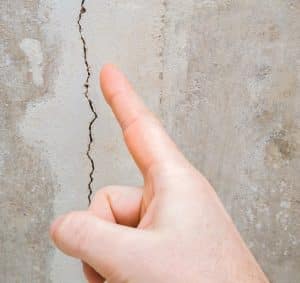 What Is Hydrostatic Pressure and How Does It Affect Basements?

Hydrostatic pressure is the lateral and upward force that groundwater and saturated soil apply to foundation walls and slabs, and it increases whenever the water table rises or drainage fails. The mechanism is simple: water fills voids in soil and transmits force uniformly, so groundwater pressure pushes against the weakest points of a basement joints, cracks, and low spots in the slab. The specific benefit of understanding this mechanism is that homeowners can distinguish between surface runoff problems and true water-table-driven failures, which determines whether drainage, waterproofing, or structural repair is required. Recognizing the physics of hydrostatic pressure helps prioritize solutions that either stop water at the source or relieve pressure before it damages the structure. This clarification leads into the primary causes and pathways that let hydrostatic pressure develop around a foundation.
What Causes Hydrostatic Pressure in Basement Foundations?
Hydrostatic pressure typically arises from a rising water table, prolonged heavy rainfall, and soil saturation that converts porous soil into a fluid-transmitting medium. Impermeable soils like expansive clay retain water and elevate groundwater pressure, while plumbing leaks and poor surface drainage contribute by adding continuous moisture to the soil near foundations. An example scenario is heavy spring storms combined with clogged gutters, which can turn yard runoff into persistent saturation that increases lateral pressure on basement walls. Understanding these causes allows homeowners to target interventions such as improved yard grading or addressing a persistent leak—before pressure escalates into structural damage. The next section explains how that accumulated water transfers force directly to walls and slabs.
How Does Hydrostatic Pressure Build Up Around Basement Walls?
Hydrostatic pressure builds when groundwater collects in soil pores and generates forces that act perpendicular to foundation elements, creating both lateral push on walls and uplift beneath slabs. Water seeks the path of least resistance, so cracks, construction joints, and porous mortar become channels for water to concentrate force and create visible leakage or heaving. Freeze-thaw cycles can worsen the process by expanding water in near-surface soil, incrementally increasing stress on retaining walls over repeated seasons. Recognizing the difference between lateral pressure (leading to bowing or horizontal cracks) and uplift (leading to slab heave) informs whether you need drainage, underpinning, or a combined structural approach. This distinction naturally leads to the role soil types play in amplifying or attenuating hydrostatic forces.
Which Soil Types Increase Hydrostatic Pressure Risks?
Clay and silty soils raise hydrostatic pressure risk because their low permeability holds water near foundations, whereas sandy soils drain more readily and reduce sustained pressure. Expansive clay not only retains water but also swells as moisture increases, which can exert additional mechanical stress on foundation walls and footings. Regional soil testing helps determine whether a property is predisposed to hydrostatic problems and whether exterior waterproofing or subsurface drainage improvements will be most effective. For homeowners, a basic soil check—observing how quickly a dug hole drains after a rain—provides practical insight and informs the next step: correcting grading and surface drainage deficiencies to limit soil saturation.
How Does Poor Drainage and Grading Contribute to Hydrostatic Pressure?
Improper yard grading and blocked gutters concentrate roof and surface runoff near foundations, raising the local water table and increasing hydrostatic pressure against basement walls and slabs. Downspouts that terminate too close to the house or soil settled against the foundation create negative grading, channeling water to the very area that must remain dry. Simple DIY checks—measuring slope away from the foundation or inspecting downspout discharge during a storm—can reveal whether surface drainage is a contributing factor. Correcting grading and ensuring gutters and downspouts move water at least several feet away reduces soil saturation and complements subsurface drainage solutions. Addressing these exterior elements sets the stage for identifying interior signs that hydrostatic pressure is already causing damage.
What Are the Common Signs of Hydrostatic Pressure Damage in Basements?
Early recognition of hydrostatic pressure effects lets homeowners act before damage becomes structural and costly, and common signs fall into visual, moisture, and water-presence categories. The most visible indicators include specific crack patterns and wall deformation, while moisture indicators like efflorescence or persistent musty odors suggest chronic migration of groundwater. Standing water that recurs after storms or appears at floor joints points toward pressure-driven seepage rather than isolated surface runoff. Detecting these signals early drives the choice of remedy—whether improved grading, interior drainage, waterproofing membranes, or foundation repair—so it is important to inspect systematically and document conditions. The following subsections explain how to identify and interpret these key symptoms.
How to Identify Basement Wall Cracks and Bowing Walls?
Basement wall cracks present in characteristic patterns that indicate severity: vertical cracks often reflect shrinkage or settlement, stair-step cracks indicate movement in masonry, and horizontal cracks frequently signal dangerous lateral hydrostatic pressure. Bowing or bulging walls are signs of ongoing lateral loads that exceed the wall’s ability to resist, and these conditions warrant prompt structural assessment because they can progress rapidly. Homeowners can monitor crack width and movement by measuring and photographing defects over time, and simple crack monitors can help determine rate of change until a professional evaluation can be arranged. Recognizing these patterns helps prioritize interventions ranging from drainage improvements to engineered wall stabilization.
What Does Efflorescence Reveal About Basement Moisture?
Efflorescence appears as white, powdery salt deposits on concrete or masonry surfaces and indicates that moisture is migrating through the material and evaporating at the surface. This salt deposit shows that water has carried dissolved minerals through pores or cracks, leaving residue when the water evaporates, and it often signals chronic moisture movement rather than a single event. While efflorescence itself is not structural damage, it is a diagnostic clue that hydrostatic pressure or persistent seepage is present and should prompt further investigation into drainage and waterproofing. Addressing the underlying water source is essential to prevent more serious outcomes like mold growth or material degradation.
How Can Mold and Musty Odors Signal Hydrostatic Pressure Problems?
Mold and musty odors in basements often result from chronic dampness caused by continuous seepage or high humidity driven by hydrostatic pressure, and these conditions degrade indoor air quality and occupant health. Persistent moisture creates environments where mold spores colonize finishes, insulation, and organic materials, increasing the risk of allergic and respiratory symptoms among sensitive individuals. When musty smells or visible mold are present, homeowners should document affected areas and consider air quality testing and remediation if occupants are symptomatic. Remediation without resolving the moisture source is temporary, so mold control must be paired with drainage and waterproofing to prevent recurrence.
When Is Standing Water a Sign of Hydrostatic Pressure Damage?
Recurring standing water in a basement after storms or during wet seasons often reflects either a high water table or failed exterior drainage rather than isolated surface runoff, and the location and timing of the water provide diagnostic clues. Water emerging at floor-wall joints or coming up through the slab indicates upward hydrostatic force and suggests the need for subsurface relief via interior drains or sump systems. Surface puddles near a stairway or at a single penetration point may instead point to plumbing leaks or localized grading issues, which require targeted fixes. Documenting when and where standing water appears, and correlating it with weather events, helps determine whether hydraulic pressure or surface issues are at fault.
How Does Hydrostatic Pressure Damage Basement Foundations and Home Value?
Hydrostatic pressure damages foundations by creating mechanical stresses that lead to wall deflection, slab heave, and joint separation, and these failures progressively reduce structural integrity and usable basement space. When moisture penetrates finishes and structural elements, materials like mortar, insulation, and wood degrade and support conditions worsen, increasing repair complexity and cost. Health hazards such as mold and poor indoor air quality further reduce livability and can deter potential buyers, while insurance limitations on groundwater and flood-related losses complicate claims and resale disclosures. Quantifying these impacts highlights the financial incentive to address hydrostatic issues early and informs whether combined waterproofing and structural repair will best protect property value. The following subsections explore the structural, long-term, health, and financial consequences in more detail.
What Structural Risks Does Hydrostatic Pressure Pose to Foundations?
Lateral hydrostatic loads can produce horizontal cracks and wall deflection, while uplift beneath slabs can cause heaves that distort flooring and compromise support for interior finishes. Over time, these mechanical failures can propagate, widening cracks, undermining footings, and causing differential settlement that affects the entire building envelope. Structural engineers commonly evaluate these risks by measuring wall displacement, crack patterns, and foundation elevation changes to recommend targeted repair methods. Early intervention that combines load-relieving drainage with appropriate reinforcement helps arrest progression and restore long-term stability.
How Does Water Infiltration Lead to Long-Term Basement Damage?
Repeated cycles of wetting and drying degrade concrete, mortar, and wood, reducing their load-bearing capacity and compromising finishes and insulation. Moisture trapped behind walls or under floor coverings supports mold growth and accelerates deterioration of materials intended to remain dry, creating progressively more expensive restoration requirements. If left unresolved, initial seepage can evolve into systemic failures such as widespread wood rot, electrical hazards, and interior HVAC impacts. Preventing this escalation depends on addressing both the hydraulic source and damaged building components in a coordinated repair plan.
What Are the Health Hazards Linked to Hydrostatic Pressure Damage?
Chronic dampness from hydrostatic pressure fosters mold growth and elevated indoor humidity, both of which degrade air quality and can aggravate asthma and allergic conditions. Sensitive populations—children, the elderly, and immunocompromised individuals—face increased risks from prolonged exposure to mold spores and microbial volatile organic compounds. Timely moisture mitigation reduces exposure and the need for costly medical or remediation interventions, while proper documentation of conditions supports effective remediation planning. Recognizing health impacts reinforces why effective waterproofing and drainage matter beyond structural repairs.
How Does Hydrostatic Pressure Affect Property Value and Insurance?
Basement water problems and structural defects reduce resale appeal and may require disclosure to prospective buyers, which can lower offers or necessitate repairs as a sale condition. Standard homeowners insurance frequently excludes groundwater or flood-related losses, meaning that policyholders may need separate flood insurance or specific endorsements for coverage. Maintaining records of inspections, repairs, and preventive measures supports disclosures and may improve buyer confidence, while documented remediation can mitigate negative effects on valuation. Understanding these financial implications helps homeowners weigh the upfront cost of prevention against long-term value preservation.
What Basement Waterproofing Solutions Effectively Stop Hydrostatic Pressure?
Effective defense against hydrostatic pressure combines keeping water away from the foundation (exterior waterproofing) and managing water that penetrates (interior systems), and the mechanism of protection depends on interrupting groundwater paths or relieving pressure with drainage. Exterior waterproofing typically involves installing a waterproof membrane and exterior drainage to stop water at the source, while interior waterproofing systems collect and remove water that finds its way inside via interior French drains and sump pumps. The specific benefit of choosing the right approach is long-term protection: exterior work prevents saturation, interior systems manage unavoidable seepage, and combined strategies address the most severe hydrostatic conditions. Below is a comparison table to help evaluate methods and guide decision-making toward the most effective long-term solution.
Different waterproofing approaches vary in cost, effectiveness, and disruption during installation:
| Approach | Typical Cost Range | Disruption Level | Effectiveness vs Hydrostatic Pressure | Typical Lifespan |
|---|---|---|---|---|
| Exterior waterproofing (membrane + exterior drain) | Moderate–High | High (excavation) | Very High at source | 20–30 years |
| Interior waterproofing (drain tile + sump pump) | Moderate | Medium (interior work) | High for pressure relief | 15–25 years |
| Combined exterior + interior | High | Very High | Highest overall protection | 20–30+ years |
What Are the Differences Between Interior and Exterior Waterproofing?
Interior waterproofing manages water after it enters by collecting seepage via interior French drains and directing it to a sump pump basin, while exterior waterproofing prevents water from reaching the foundation using membranes, drain tile, and proper backfill. Interior systems are less invasive and typically more affordable for retrofits, providing reliable pressure relief and protecting finished basements, whereas exterior systems are more disruptive but stop water at the origin and often extend foundation life. Choosing between them depends on access, budget, soil conditions, and the severity of hydrostatic pressure; combined approaches are commonly recommended for high water-table sites. Understanding these trade-offs helps homeowners select solutions that align with long-term goals and site constraints.
How Do Vapor Barriers and Sealants Prevent Water Intrusion?
Vapor barriers and sealants reduce vapor diffusion and block minor surface leaks, with membranes and composite systems offering more robust resistance to moisture migration than simple coatings. Sealants can be effective at filling hairline cracks and slowing surface dampness, but they do not stop pressure-driven water where groundwater is exerting significant force, and they are best used as part of a broader waterproofing strategy. Vapor barrier membranes applied to interior walls and floors help control humidity and condensation, improving basement humidity control but requiring proper installation and compatibility with drainage systems. Recognizing the limitations of coatings guides homeowners to pair membrane solutions with drainage or exterior measures when hydrostatic pressure is present.
What Are the Benefits of Professional Basement Waterproofing Services?
Professional services offer comprehensive diagnostics—distinguishing hydrostatic pressure from surface drainage or plumbing leaks—and can design tailored solutions that combine interior and exterior measures, drainage, and structural repair as needed. Certified installers bring access to engineered products, warranty coverage, and the ability to handle permits and complex excavations, which reduces the risk of ineffective repairs that fail under persistent groundwater pressure. Engaging professionals can yield long-term savings by reducing repair frequency and protecting property value, and a consultation helps prioritize interventions based on soil, water table, and structural condition. For homeowners facing recurring seepage or structural movement, consulting qualified waterproofing and foundation repair providers is a prudent next step.
How Do Basement Drainage Systems Like Sump Pumps and French Drains Prevent Hydrostatic Pressure?
Drainage systems relieve hydrostatic pressure by intercepting groundwater and conveying it away from the foundation, thereby reducing the lateral and uplift forces acting on walls and slabs. Sump pumps collect water in a basin and actively discharge it beyond the foundation line, while French drains—either interior or exterior—use perforated pipe, gravel layers, and grading to channel groundwater toward a collection point. The mechanism benefits homeowners by converting passive pressure into a controlled flow that can be managed and monitored, and combining drainage with waterproofing addresses both source and pathway. Below is a comparative table that describes installation complexity, maintenance, and typical cost considerations for common drainage systems.
Interior and exterior drainage systems differ in installation and maintenance characteristics:
| System | Installation Complexity | Maintenance Needs | Average Cost Range | Backup Power Options |
|---|---|---|---|---|
| Submersible sump pump | Moderate | Annual testing and cleaning | Moderate | Battery or generator backup recommended |
| Interior French drain | Moderate–High | Keep clear; sump maintenance | Moderate–High | Backup pump advisable |
| Exterior French drain | High (excavation) | Inspect outlets; occasional flushing | High | Less dependent on powered backup if gravity outlet |
How Does a Sump Pump Work to Remove Groundwater?
A sump pump collects water in a basin—usually at the lowest part of the basement—where float or pressure sensors activate the pump to discharge water through a discharge line away from the foundation. Submersible sump pumps sit inside the basin and are quieter and more efficient for larger flows, while pedestal sump pumps have a motor above the basin and are easier to service but less robust for heavy-duty applications. Backup power via battery or generator is critical in storm-related power outages, because pumps must operate during the very conditions that create the greatest hydrostatic risk. Regular maintenance, including cleaning the basin and testing the float switch, prevents common failures and ensures continuous pressure relief during wet seasons.
What Are French Drains and How Do They Divert Water Away?
French drains consist of a trench filled with gravel and a perforated pipe (drain tile) that intercepts groundwater and directs it to a sump, daylight outlet, or storm system, reducing the hydraulic head near the foundation. Exterior French drains stop water before it reaches the foundation when installed at footing level and tied to appropriate outlets, while interior French drains catch water that has already penetrated and convey it to a sump pump for active discharge. Proper grading, outlet location, and filter fabric are essential to prevent clogging and ensure long-term performance. When combined with membranes or surface grading improvements, French drains form a reliable defense against hydrostatic pressure.
When Should You Choose Interior vs. Exterior Drainage Systems?
Select exterior drainage when soil access is available, the water table is high at the foundation exterior, and budget permits excavation, because exterior systems prevent saturation at the source and reduce long-term maintenance. Interior drainage is often the pragmatic choice for finished basements, retrofit situations, or when exterior access is limited; it provides effective pressure relief and can be installed with minimal disruption to landscaping. In many high-risk sites, a combined approach—exterior drainage, membrane, and interior sump—delivers the most resilient outcome. Decision criteria should include soil type, accessibility, severity of hydrostatic pressure, and whether gravity outlets exist for discharge.
When Is Foundation Repair Necessary for Hydrostatic Pressure Damage?
Foundation repair becomes necessary when hydrostatic pressure has caused structural defects that compromise stability, indicated by severe bowing, large horizontal cracks, or measurable foundation displacement. Repair methods are engineered to restore load paths and restrain lateral movement; typical solutions include wall anchors, carbon fiber straps, steel beams, and underpinning, often used in combination with drainage improvements. The benefit of timely structural repair is preventing collapse or progressive failure that would demand far more extensive rebuilding, and repairs are planned with an eye toward long-term monitoring and integration with waterproofing. The following subsections outline repair options, engineering principles, and emergency signs that require immediate attention.
What Repair Methods Address Bowing Walls and Cracks?
Wall anchors and tiebacks pull an exterior soil anchor toward the foundation to stabilize bowing walls from the outside, delivering strong lateral restraint with relatively minimal interior disruption. Carbon fiber straps provide an interior, low-profile reinforcement option that resists further bowing and is less invasive but may not correct severe displacement. Underpinning addresses settlement and uplift problems by strengthening footings or extending foundations to deeper, stable soils and is appropriate when load-bearing capacity has been compromised. Each method balances cost, invasiveness, and permanence, and the choice depends on engineering assessment of the specific failure mode.
How Does Foundation Repair Restore Structural Stability?
Repairs restore stability by redistributing loads, restraining lateral movement, and re-establishing proper footing support so that walls and slabs no longer deform under hydrostatic forces. Techniques like wall anchors transfer the pressure to deeper soil or exterior anchors, while underpinning transfers vertical loads to strata with greater bearing capacity. Combining structural repairs with drainage and waterproofing ensures that forces causing the damage are reduced and that repaired elements remain effective over time. Post-repair monitoring and periodic inspections help confirm that load paths remain stable and that the hydrostatic source has been controlled.
What Are the Signs That Indicate Immediate Foundation Repair?
Immediate repair is indicated by rapidly worsening wall deflection, large horizontal cracks wider than a quarter-inch, doors and windows becoming jammed due to frame distortion, or visible foundation displacement. These red flags suggest that lateral loads are progressing and structural capacity is at risk, and temporary safety measures should be taken while arranging a structural engineer evaluation. Avoidance of DIY stabilization in these scenarios is critical because incorrect interventions can mask or exacerbate underlying failures. Quick professional assessment facilitates prioritized repair planning and reduces the likelihood of catastrophic progression.
How Can Homeowners Prevent Hydrostatic Pressure Through Grading and Gutter Maintenance?
Preventing hydrostatic pressure starts with keeping surface water away from foundations through proper slope, gutter upkeep, and downspout routing, which reduces soil saturation that feeds groundwater pressure. The defined benefit of these measures is that they are low-cost, high-impact first lines of defense: correct grading and functioning gutters reduce the need for subsurface interventions and minimize recurring maintenance. Below is a seasonal checklist and practical how-to guidance to help homeowners implement and sustain prevention practices throughout the year. Following this checklist ties into broader maintenance routines that protect foundations and supports longer-term waterproofing investments.
Proper grading and gutter systems protect foundations effectively:
- Maintain slope away from foundation: Ensure a downward slope of at least 5% over the first 10 feet so water flows away from the house.
- Keep gutters clean and functioning: Clean gutters and downspouts at least twice a year to prevent overflow that soaks foundation soil.
- Extend downspouts: Direct downspouts several feet from the foundation or into storm drains to prevent soil saturation near footings.
These three home-level tasks significantly reduce exterior water loading on foundation soils and complement any subsurface or structural work the property may later require.
How Does Proper Soil Grading Reduce Water Buildup Near Foundations?
Proper grading establishes a positive slope that encourages surface water to move away from the foundation rather than pooling against it, and a common guideline is a 5% slope (roughly 6 inches of drop over 10 feet). Using compacted fill and avoiding negative grading near patios, planters, or driveways prevents unintended channels that route water toward the house. When regrading is not feasible as a DIY project due to terrain or scale, professional grading contractors can ensure proper compaction and drainage outlets. Good grading reduces the frequency and volume of water that can convert into groundwater pressure and supports long-term foundation health.
What Role Do Gutters and Downspouts Play in Hydrostatic Pressure Prevention?
Gutters capture roof runoff and, when paired with properly routed downspouts, prevent concentrated discharge at the foundation line that would otherwise saturate soil and raise local groundwater. Routine cleaning and installation of downspout extensions or splash blocks moves roof water well beyond the foundation perimeter, lowering hydrostatic risk. Gutter guards reduce debris accumulation but do not replace seasonal inspection and maintenance, which are necessary to ensure reliable performance. Consistent attention to roof runoff management is a practical, cost-effective prevention strategy that reduces pressure on both interior and exterior waterproofing systems.
What Seasonal Maintenance Checklists Help Manage Hydrostatic Pressure Risks?
Seasonal maintenance structures preventive tasks into manageable actions: in spring, inspect grading and clear gutters; in summer, check for erosion and repair soil compaction; in fall, remove leaves and ensure downspouts are free; in winter, protect sump pump discharge lines from freezing and verify backup power plans. Monthly checks of sump pump operation during wet seasons and visual inspections after major storms help catch issues early. These cyclical activities reduce the chance that minor deficiencies evolve into hydrostatic pressure problems requiring major repairs. Regular maintenance dovetails with diagnostic steps that inform whether professional assessment is necessary.
Should You Choose DIY or Professional Solutions for Hydrostatic Pressure Problems?
 DIY measures like correcting grading, cleaning gutters, installing downspout extensions, and applying sealants—offer cost-effective prevention and minor remediation for surface drainage problems, but they are limited against true hydrostatic pressure or structural failures. Professional services provide comprehensive diagnostics, engineered interventions, and warranties that address groundwater-driven loads, complex drainage installation, and foundation repairs. The advantage of a professional evaluation is accurate differentiation among causes (groundwater, plumbing, or surface runoff) and a prioritized plan that balances waterproofing with structural stabilization. The following pros/cons list helps homeowners decide when DIY is appropriate and when to engage professionals.
When deciding DIY vs professional, consider these points:
- Pros of DIY: Immediate, low-cost fixes for surface drainage and routine maintenance that prevent many problems.
- Cons of DIY: Often inadequate for pressure-driven leakage, structural cracks, or high water-table conditions.
- When to hire a pro: Severe bowing, recurring flooding, or when insurance/permits require engineered solutions.
What Are the Pros and Cons of DIY Basement Waterproofing and Drainage?
DIY options like applying sealants, improving grading, and installing simple downspout extensions address many surface water problems effectively and at low cost, making them suitable first steps for homeowners. However, DIY waterproofing rarely solves hydrostatic pressure from a high water table or widespread soil saturation, and incomplete fixes can produce false security and recurring issues. For significant seepage, slab heave, or structural cracks, professional diagnosis and installation of interior drain systems or exterior membranes are necessary to ensure durable results. Knowing these limits helps homeowners sequence DIY maintenance and professional assessment appropriately.
When Is It Essential to Hire Professional Hydrostatic Pressure Experts?
Hiring professionals is essential when signs indicate structural compromise—horizontal cracks, significant bowing, persistent sump activation during ordinary storms, or repeated standing water that suggests a high water table. Professionals provide engineered solutions, coordinate necessary permits, and offer warranties and monitoring that DIY projects cannot match, especially for combined drainage and foundation repair. Immediate steps before a contractor arrives include documenting damage, stopping short-term water ingress with temporary measures, and avoiding invasive DIY repairs that could complicate permanent fixes. An early professional evaluation often reduces total lifetime costs by preventing escalation.
How to Evaluate and Select a Qualified Basement Waterproofing Service?
Evaluate providers by checking licensing and insurance, requesting detailed written proposals that outline scope, materials, and warranties, and asking for references and before/after documentation from similar jobs. Confirm the proposed solution addresses hydrostatic pressure specifically—look for mention of drain tile, sump basins, exterior membranes, and structural stabilization if bowing walls are present. Compare multiple bids for scope clarity and long-term outcome rather than price alone, and verify warranty terms and post-installation support. These vetting steps help ensure the selected contractor matches the technical demands of hydrostatic pressure mitigation.
What Are the Typical Costs and Long-Term Benefits of Hydrostatic Pressure Repair and Prevention?
Understanding cost ranges, expected ROI, and insurance factors helps homeowners prioritize interventions that reduce cumulative repair expenses and protect property value. Upfront costs vary widely based on access, soil conditions, system type, and whether structural repair is required, but investments in proper drainage and waterproofing typically yield savings by avoiding repeated restorations and preserving livable basement space. The table below compares major cost items and expected benefits to provide a budgeting framework and clarify where insurance may or may not assist. Long-term savings often exceed initial outlays when repairs prevent progressive structural decline and ongoing mold remediation.
| Intervention | Upfront Cost Estimate | Expected ROI | Estimated Lifespan | Common Insurance Coverage |
|---|---|---|---|---|
| Interior waterproofing + sump pump | $2,000–$10,000 | Moderate over 5–10 years | 15–25 years | Usually not covered for groundwater |
| Exterior waterproofing + drain tile | $8,000–$25,000+ | High, protects foundation | 20–30 years | Typically excluded for groundwater |
| Foundation structural repair (anchors, underpinning) | $3,000–$30,000+ | High when structural risk exists | Permanent if combined with drainage | Structural damage coverage varies |
How Much Does Basement Waterproofing and Drainage Installation Cost?
Costs depend on system type, home size, soil conditions, and access; interior drain and sump installations are generally less expensive than exterior membrane and excavation work, but site complexity can alter estimates. Diagnostic fees, permit costs, and potential unforeseen issues like hidden plumbing leaks or rock can increase budgets, so contingency planning is advisable when soliciting bids. Financing options and phased approaches allow homeowners to address the most urgent risks first while planning comprehensive work in stages. Transparent proposals that itemize labor, materials (drain tile, sump basin, membrane), and warranty terms help compare contractor offers effectively.
What Are the Long-Term Savings from Preventing Hydrostatic Pressure Damage?
Investing in effective waterproofing and drainage reduces the frequency of restorative work, preserves finished basement space for rental or resale, and lowers health-related expenses tied to mold exposure. Hypothetical comparisons show that preventing recurring $2,000–$5,000 restorations every few years can justify a larger initial investment that eliminates the root cause. Maintaining documentation of repairs and proactive maintenance also supports resale disclosures and can mitigate valuation impacts. Overall, prevention pays by stabilizing the building envelope and avoiding escalating structural and health costs.
Does Homeowners Insurance Cover Hydrostatic Pressure Damage?
Standard homeowners insurance commonly excludes losses due to groundwater, hydrostatic pressure, and flood events, meaning policyholders may need separate flood insurance or specific endorsements for coverage. Coverage language varies among insurers and regions, so homeowners should consult their policies, document damage and remediation, and discuss mitigation steps with their carrier to understand options. Keeping records of professional assessments, repairs, and preventive measures can support claims for covered perils and improve clarity about what is excluded. When insurance is limited, prioritizing proven prevention strategies becomes even more important to manage financial risk.
Leaking Basements: Causes, Consequences, and Hydrostatic Pressure Mitigation
This paper draws from a detailed case history to look at its causes, financial ramifications, and ideas on mitigation. It concludes that most often the failures are systemic involving multiple factors, but that very significant among these is the role of the downspout drain, its frequent deterioration over time and consequent loss of functionality. This is compounded by poor design decisions that have resulted in walls unable to support the lateral loads that are created when hydrostatic pressures develop. Solutions range from proactive maintenance to strengthening of walls. However, there must first be more public awareness of the causes and liabilities involved, and this may best be accomplished through more focused attention when property transfers occur.
The Leaking Basement Epidemic–Causes, Cures and Consequences
For homeowners uncertain about persistent seepage or structural signs, seeking a professional assessment that combines waterproofing, advanced drainage solutions like submersible sump pumps and French drains, and foundation repair when necessary is a practical step toward a durable resolution. Current best practice favors a systems approach—diagnose the hydrostatic source, install effective drainage, and address structural vulnerabilities—so that interventions protect both the building and the health of occupants.

