
When homeowners think about landscaping, they often focus on curb appeal, lush lawns, vibrant flower beds, and shade trees. But landscaping isn’t just about beauty. It plays a direct role in the health of your home’s foundation.
In Albertson and across Long Island, where seasonal rains, coastal storms, and variable soils put constant stress on foundations, the way you design and maintain your yard can mean the difference between a dry, stable basement and costly structural damage.
This article explores how landscaping impacts foundation health, the role of slope and drainage, and planting strategies that keep Long Island homes safe.
How Landscaping Affects Your Foundation
Your foundation is only as strong as the ground around it. Landscaping decisions, good or bad, change how water, soil, and roots interact with your home. Here are the key ways:
-
 Drainage and Water Flow
The slope of your yard determines whether water drains away from or toward your foundation. Even beautiful yards can be dangerous if water constantly pools at the base of your home. -
Soil Moisture Levels
Landscaping that traps water, such as poorly placed flower beds or raised planters, keeps soil damp. Saturated soil increases hydrostatic pressure against basement walls. -
Tree and Shrub Roots
Roots search for water and nutrients. Planted too close, they can crack foundations, clog drains, and dry out soil unevenly, causing settlement. -
Freeze-Thaw Stress
Moisture-heavy soil caused by poor drainage freezes and expands in winter, adding pressure to walls and floors.

The Importance of Proper Slope (Grading)
One of the most overlooked landscaping factors is grading—the slope of your yard relative to your foundation.
-
Ideal slope: Experts recommend the ground should drop about 6 inches over the first 10 feet away from your home. This keeps water moving away rather than collecting near the foundation.
-
Flat yards: Many Long Island homes sit on relatively flat lots, making proper grading essential. Without it, water may sit directly against the basement walls.
-
Negative grading: When soil slopes toward the house—often from settling or poor construction it funnels water straight to your foundation, creating cracks and leaks.
Fixing grading issues often involves adding soil, compacting it properly, and reshaping the slope so that it diverts water outward.
Drainage: The Unsung Hero of Landscaping
Even the best slope can’t always handle Long Island’s heavy rains or snowmelt. That’s where drainage systems come in. Landscaping should integrate proper drainage to keep foundations safe.
Types of Drainage Solutions:
-
Surface Drains
Shallow drains installed in low spots collect rainwater and redirect it. -
French Drains
Gravel-filled trenches with perforated pipes that carry groundwater away from foundations. -
Dry Wells
Underground chambers where water collects and slowly disperses into the soil. -
Gutter Extensions
Simple but effective—downspouts should extend 5–10 feet from your foundation.
By combining good landscaping with drainage solutions, you reduce hydrostatic pressure and protect your basement from flooding.
Planting Tips: Trees, Shrubs, and Lawns
Plants bring life to a yard, but they can also threaten your foundation if poorly placed.
Trees
-
Distance matters: Large trees should be planted at least 20 feet away from your home.
-
Root growth: Tree roots can extend two to three times the width of the canopy. A shade tree close to your foundation may eventually invade it.
-
Moisture impact: Trees absorb large amounts of water, causing soil shrinkage in dry seasons. This can lead to uneven foundation settlement.
Shrubs
-
Shrubs should be placed at least 5 feet away from the foundation.
-
Avoid dense plantings right against the house, as they trap moisture and limit airflow.
Lawns and Gardens
-
Avoid raised beds that slope toward your foundation.
-
Mulch and soil beds should slope outward, not inward.
-
Use native plants with moderate water needs to reduce excess irrigation.
Landscaping Mistakes That Harm Foundations
Many Long Island homeowners unintentionally damage their foundations through common landscaping mistakes:
-
Piling mulch against foundation walls – traps moisture and encourages pests.
-
Improper use of sprinklers – constant water near the house keeps soil saturated.
-
Planting water-loving trees (like willows) near the home – their roots aggressively seek water and can crack foundations.
-
Ignoring erosion – exposed roots, bare patches, and soil washouts indicate that water isn’t draining properly.
-
Adding patios or walkways with poor grading – hard surfaces that slope toward the house funnel rainwater directly to the foundation.
Seasonal Landscaping Tips for Long Island
Because Long Island faces four distinct seasons, homeowners should adapt landscaping practices year-round:
-
Spring: Regrade low spots created by winter frost. Inspect gutters and downspouts.
-
Summer: Water lawns moderately; avoid overwatering near the house. Trim back trees and shrubs.
-
Fall: Clear leaves from drains and gutters; remove dead plants that can block drainage.
-
Winter: Keep snow piles at least a few feet away from foundation walls to reduce spring thaw issues.
Professional Landscaping and Waterproofing Go Hand in Hand
Even with perfect landscaping, Long Island’s high water table and severe storms can overwhelm a yard. That’s why landscaping should work alongside professional waterproofing.
A.M. Shield Waterproofing offers solutions such as:
-
 Exterior waterproofing membranes to keep water out.
 -
Interior drainage systems that capture water before it reaches your basement floor.
-
Sump pumps with battery backups to handle storm surges.
-
Foundation repair and reinforcement for homes already showing signs of soil and water damage.
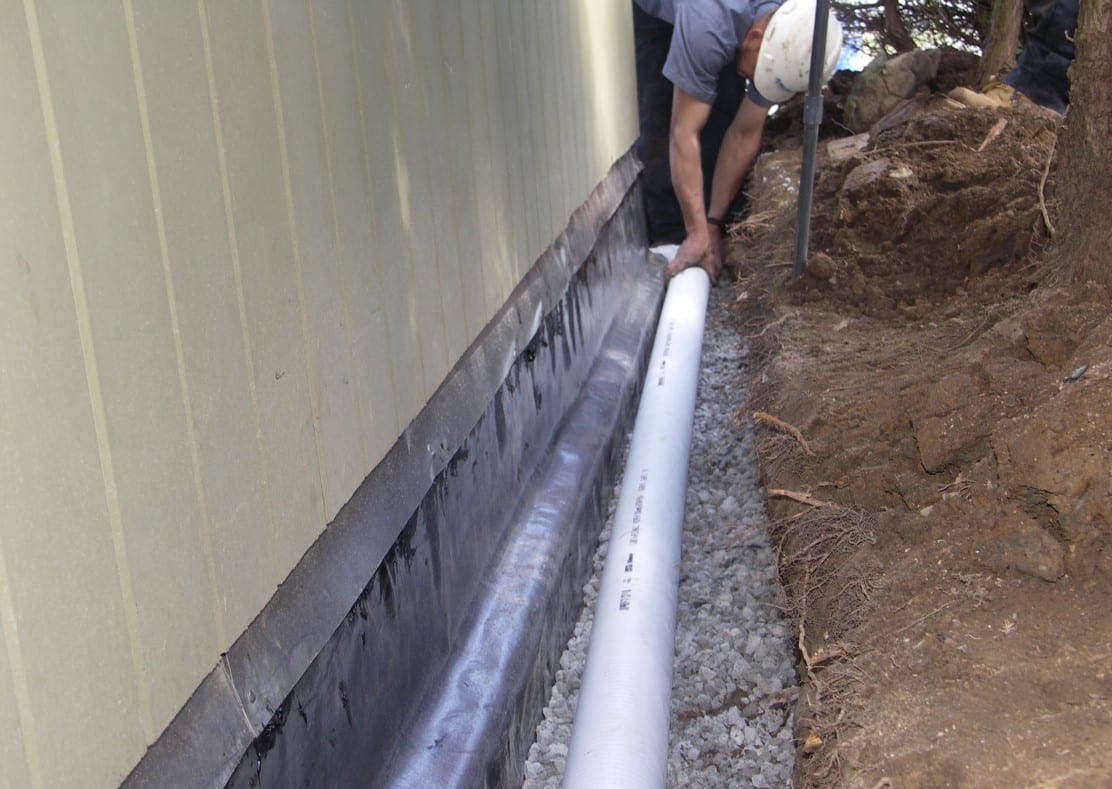
When landscaping and waterproofing are combined, your foundation gets maximum protection.
Landscaping does far more than beautify your yard; it’s a frontline defense for your home’s foundation. From slopes and drainage to tree placement, every choice you make outdoors affects the stability of your basement walls.
For homeowners in Albertson and across Long Island, where heavy rains, high water tables, and freeze-thaw cycles are common, smart landscaping is essential. By grading your yard properly, adding drainage systems, planting wisely, and partnering with professionals, you can enjoy a beautiful yard and a strong, dry foundation.
If you’re concerned about how your yard might be affecting your basement, contact A.M. Shield Waterproofing Corp. for a professional assessment and tailored solutions.

A.M. Shield Waterproofing recently awarded the Basement Health Association STAR Award for exceptional customer care for the fifth year in a row. Servicing Long Island, NYC and Westchester with Nationally Certified Waterproofing and Mold Remediation Specialists they are able to provide the highest level of professional solutions. A.M. Shield has the widest range of services available to property owners in the greater New York area utilizing multiple techniques in exterior foundation waterproofing, interior drainage, foundation crack injections and foundation repair solutions,. A.M. Shield™s environmental division will assess the damage, repair the problem and create a healthy environment for property owners who experience mold or moisture problems.
