
French drainage systems, also known as French drains, are a popular and effective method for managing excess water around homes and properties. Whether dealing with surface water runoff, groundwater infiltration, or soggy soil conditions, French drains provide a solution by directing water away from structures and preventing water damage. In this comprehensive guide, we’ll delve into the principles behind French drainage systems, their components, installation process, maintenance, and benefits.
What is a French Drainage System?
A French drain is a simple yet effective drainage solution designed to redirect water away from areas prone to water accumulation. It consists of a perforated pipe surrounded by gravel or aggregate, which is then buried in a trench. The trench is sloped to allow water to flow naturally towards the drain, where it is collected and redirected to a suitable outlet, such as a storm drain or a designated drainage area.
Components of a French Drainage System
A typical French drainage system consists of the following components: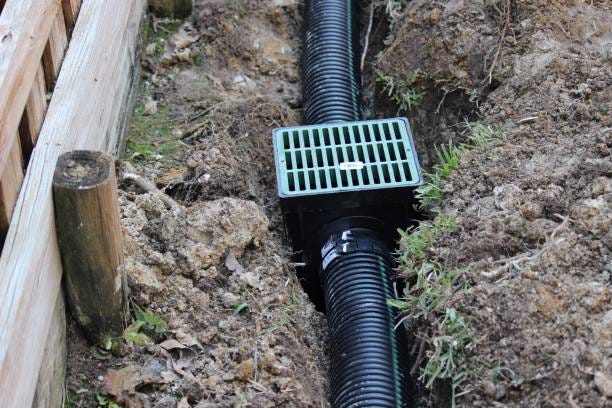
- Perforated Pipe: The perforated pipe, often made of PVC or corrugated plastic, serves as the conduit for water collection. The pipe features evenly spaced holes or perforations along its length, allowing water to enter and be carried away.
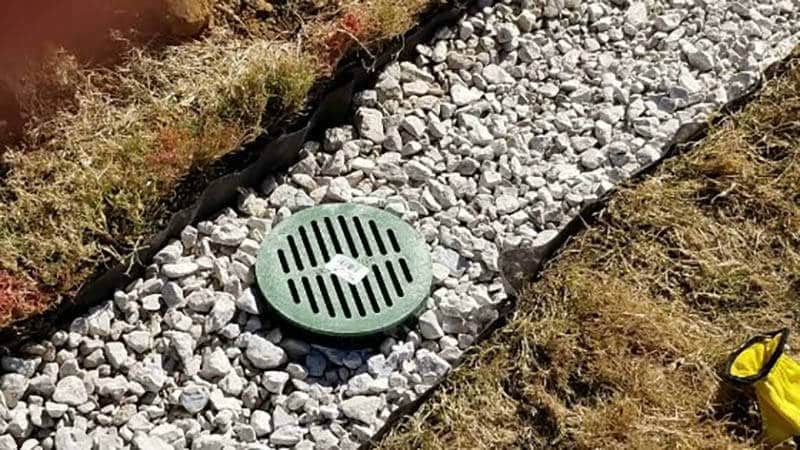
- Gravel or Aggregate: Surrounding the perforated pipe is a layer of gravel or aggregate, which serves as a filtration medium and provides structural support. The gravel allows water to flow ly into the perforated pipe while preventing soil and debris from clogging the drain.
- Geotextile Fabric (Optional): In some cases, a layer of geotextile fabric may be used to line the trench before adding the gravel. The fabric acts as a barrier, preventing soil particles from infiltrating the drainage system and clogging the perforated pipe.
Installation Process of a French Drain
Installing a French drainage system involves several key steps:
- Site Assessment: Begin by assessing the site to determine the source of water accumulation and the most suitable location for the drain. Consider factors such as slope, soil type, and proximity to structures.
- Excavation: Once the site has been identified, dig a trench along the desired drainage path. The trench should be sloped away from the problem area and towards a suitable outlet, such as a storm drain or a low-lying area.
- Adding Gravel: Line the bottom of the trench with a layer of gravel or aggregate. This will serve as a bed for the perforated pipe and provide stability for the drain.
- Laying the Perforated Pipe: Place the perforated pipe in the trench, ensuring that the perforations are facing downwards. Connect multiple sections of pipe as needed, using fittings and couplings to create a continuous drainage system.
- Covering with Gravel: Once the pipe is in place, cover it with another layer of gravel or aggregate. Ensure that the pipe is completely surrounded by gravel, with no gaps or spaces.
- Backfilling: Fill in the trench with soil, ensuring that it is compacted evenly around the drain. The soil should be sloped away from the drain to encourage water flow towards the outlet.
- Installation of Outlet: If necessary, install an outlet such as a catch basin or a storm drain to collect and redirect the water away from the property.
Maintenance of French Drainage Systems
Proper maintenance is essential to ensure the effectiveness of a French drainage system. Here are some key maintenance tasks:
- Regular Inspections: Periodically inspect the drainage system for signs of clogging or damage, such as standing water, soil erosion, or debris accumulation.
- Clearing Debris: Remove any debris, such as leaves, twigs, or sediment, that may accumulate in or around the drain. This will prevent clogs and ensure that water can flow ly.
- Flushing the System: Occasionally flush the drainage system with water to remove any buildup of sediment or debris. This can be done using a garden hose or a pressure washer.
- Repairing Damage: If any damage or deterioration is detected, such as cracks in the pipe or shifting of the gravel, repair it promptly to prevent further issues.
- Maintaining Slope: Ensure that the trench is properly sloped to facilitate water flow away from the problem area. If necessary, adjust the slope to maintain optimal drainage.
Benefits of French Drainage Systems
French drainage systems offer numerous benefits for homeowners and property owners:
- Effective Water Management: French drains effectively manage excess water, preventing water accumulation and potential water damage to structures and landscaping.

- Versatility: French drains can be installed in a variety of settings, including residential properties, commercial properties, agricultural fields, and sports fields.
- Low Maintenance: Once installed, French drains require minimal maintenance, making them a cost-effective and hassle- drainage solution.
- Prevents Soil Erosion: By directing water away from the problem area, French drains help prevent soil erosion and preserve the integrity of the landscape.
- Protects Foundations: By preventing water accumulation around foundations, French drains help protect the structural integrity of buildings and reduce the risk of foundation damage.
French drainage systems are an effective and versatile solution for managing excess water around homes and properties. By redirecting water away from problem areas and towards suitable outlets, French drains help prevent water damage, soil erosion, and foundation issues. With proper installation and maintenance, French drainage systems can provide long-lasting protection and peace of mind for homeowners and property owners, ensuring a dry and healthy environment for years to come. Whether dealing with surface water runoff, groundwater infiltration, or soggy soil conditions, French drains offer a reliable solution for effective water management.
Contact the Professionals at A.M. Shield Waterproofing Today! (516) 294-8400

A.M. Shield Waterproofing recently awarded the Basement Health Association STAR Award for exceptional customer care for the fifth year in a row. Servicing Long Island, NYC and Westchester with Nationally Certified Waterproofing and Mold Remediation Specialists they are able to provide the highest level of professional solutions. A.M. Shield has the widest range of services available to property owners in the greater New York area utilizing multiple techniques in exterior foundation waterproofing, interior drainage, foundation crack injections and foundation repair solutions,. A.M. Shield™s environmental division will assess the damage, repair the problem and create a healthy environment for property owners who experience mold or moisture problems.
