
Older homes on Long Island carry a rich history, architectural charm, and unique structural challenges. Homeowners face issues such as dampness, water infiltration, and outdated waterproofing systems that now struggle against evolving environmental conditions. Aging foundations, outdated construction methods, and coastal climates create an urgent need for modern waterproofing that preserves both visual and structural integrity. This article explores the waterproofing hurdles faced by aging Long Island homes and provides actionable solutions that respect their historic character. It discusses common moisture problems and offers preservation-friendly techniques to enhance durability and reduce water damage, serving as a resource for homeowners, restoration experts, and contractors.
Unique Waterproofing Hurdles in Aging Long Island Residences
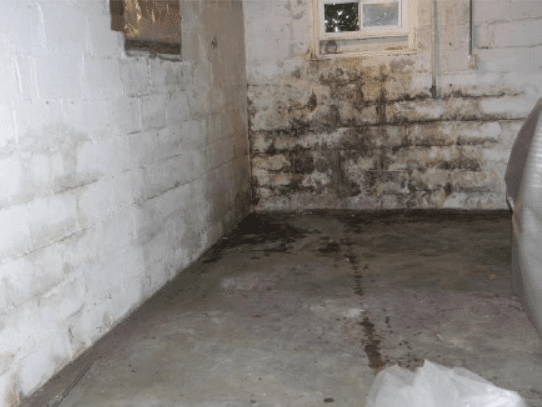 Waterproofing older Long Island homes is challenging due to outdated building designs and modern moisture management needs. Historic design did not anticipate severe weather or current climate shifts, leading to persistent moisture issues.
Understanding Common Moisture Issues in Older Home Foundations
Older foundations built from cinder blocks, brick, or stone are prone to moisture penetration due to natural weathering and the absence of modern damp-proof membranes. Cracks allow water, groundwater, and salt-laden air to enter, compromising structural integrity and promoting mold and mildew growth. Homeowners should inspect for efflorescence (white salt deposits) and crumbling mortar joints to address problems early.
The Impact of Long Island’s Coastal Climate on Historic Structures
The coastal environment of Long Island accelerates material degradation. High salt levels in the air, frequent storms, and fluctuating water tables compound wear on historic buildings. Salt air can corrode metal fasteners and fixtures, while moisture weakens stone masonry and plaster, necessitating waterproofing techniques that both seal and protect against corrosive elements.
Material Degradation in Century-Old Basements and Crawl Spaces
Basements and crawl spaces in historic residences were built with materials that have since surpassed their useful life. Repeated freeze-thaw cycles and constant moisture cause plaster, wood beams, and early cement mixtures to crumble. Older insulation and vapor barriers also lose effectiveness over time, often requiring complete system overhauls to restore a barrier against water intrusion.
Navigating Preservation Guidelines for Historic Property Waterproofing
Historic properties often adhere to strict preservation guidelines that protect original architecture and materials. Waterproofing solutions must comply with these guidelines by using subtle interventions, such as breathable sealants that control moisture without trapping water behind historic facades. This approach requires technical expertise and a respect for the building’s heritage, with modifications that remain reversible and non-intrusive.
Outdated Construction Techniques and Their Waterproofing Implications
Techniques such as lime-based mortars, unreinforced masonry, and earthen foundations were once standard but offer less protection today. Without modern drainage systems or waterproof membranes, these methods lead to seepage and interior water damage. Homeowners often need to integrate solutions like interior sealants, exterior membranes, and advanced drainage systems with the existing construction to improve water management while maintaining historical accuracy.
Identifying Signs of Water Damage in Your Historic Long Island Home
Early detection of water damage in older homes is crucial, as issues are often hidden behind outdated finishes and unsealed basements. Recognizing subtle signs can prevent costly repairs.
Recognizing Early Indicators of Basement Moisture Problems
Early signs in a historic basement include damp spots, wall discoloration, and a musty odor. These signs, along with condensation or unexpected pooling, may indicate potential flooding. Monitoring temperature fluctuations and using moisture meters can help in early detection, preventing further deterioration of foundations and finishes.
Detecting Hidden Leaks and Seepage in Older Structures
Hidden leaks can travel through small cracks and become trapped behind walls or under floors. Indicators such as the sound of trickling water or slight wall sagging suggest seepage. Old plumbing, with aged pipes and improper seals, often contributes to this problem. Diagnostic tools like infrared thermography or moisture imaging help pinpoint hidden moisture areas for targeted repairs.
Assessing Foundation Cracks and Their Seriousness
Not all foundation cracks are equal. Some are merely cosmetic, while others allow substantial water penetration. Horizontal cracks or those that widen over time require immediate attention. Detailed measurements and photographic evidence help determine if simple resealing or more extensive structural work is needed to maintain stability and prevent damage.
Spotting Mold and Mildew Growth in Vintage Houses
Mold and mildew are visible signs of chronic dampness. They may appear in hidden corners, behind cabinetry, or on ornate plaster, posing health risks such as respiratory issues and allergies. Effective remediation involves cleaning visible mold and addressing the underlying moisture problem. Professional services are recommended for complete mold removal and prevention.
Tracing Water Stains and Efflorescence to Their Source
Water stains on ceilings, walls, or floors indicate chronic leaks or high humidity. Efflorescence, the white crystalline deposit on masonry, signals water movement through the structure, carrying mineral salts. Proper documentation and technical testing can trace these signs to their source, allowing professionals to target waterproofing solutions effectively.
Effective Waterproofing Methods for Preserving Older Homes
A balanced blend of interior and exterior strategies is necessary to mitigate water ingress without compromising a building’s historic fabric.
Interior Sealing Techniques Suitable for Historic Foundations
Less invasive interior methods include applying crystalline waterproofing compounds directly to foundation walls. These compounds react with concrete to form insoluble crystals that seal pores and cracks. Epoxy injections can also stabilize and close visible cracks, and interior drainage systems like French drains redirect water away from high-risk areas. These layered approaches protect the home while preserving its original finishes.
Exterior Waterproofing Strategies for Vintage Properties
Exterior methods prevent water from reaching the building. This involves removing deteriorated mortar and applying breathable waterproofing membranes that protect against both moisture and salt air, while allowing the structure to “breathe.” A UV-resistant bituminous coating further protects exterior walls. Minor modifications, such as updating flashings or grading the perimeter, can greatly enhance water protection with minimal disruption to the historic facade.
Advanced Drainage Systems to Protect Older Long Island Houses
Modern drainage systems reduce water pressure on foundations by channeling water away. Installing exterior drainage channels and optimizing land grading are effective during heavy rain. Subsurface drainage systems, including sump pump installations, actively pump water away as needed. These systems adjust to changing moisture levels, ensuring that basements remain dry and structural integrity is maintained.
Sump Pump Installation and Maintenance in Heritage Homes
A well-chosen sump pump is vital for managing water in basements and crawl spaces without invasive modifications. Backup power options ensure functionality during storms, and regular maintenance—such as debris removal and testing—prevents failure. A reliable sump pump system is essential for keeping interiors dry and protecting historic features from water damage.
Crawl Space Encapsulation for Moisture Control in Old Homes
Encapsulation seals the underbelly of a home to prevent moisture from rising and damaging wooden structures. This process involves installing vapor barriers, insulation, and sealing vents to improve indoor air quality by reducing mold spores and allergens. Proper encapsulation not only controls moisture but also enhances energy efficiency while preserving the home’s historic character.
Selecting Appropriate Waterproofing Materials for Historic Integrity
Choosing the right materials is critical to combine modern protection with the integrity of original construction. It is essential to match advanced materials with aged masonry and wood to ensure long-term durability without compromising historical authenticity.
Breathable Sealants for Old Masonry and Stone Foundations
Breathable sealants allow moisture to escape while preventing additional water ingress. They are designed to work with historic masonry, ensuring that the original materials remain unsaturated. These sealants are available in formulations that match the appearance of stone and brick, preserving both protection and aesthetics.
Modern Waterproofing Membranes Compatible With Historic Materials
Waterproofing membranes provide a continuous external water barrier. Engineered for flexibility and durability, they accommodate the natural movement of historic foundations without cracking. When used with breathable sealants, they create a dual system that minimizes water penetration yet maintains the building’s character.
Repairing and Waterproofing Original Plaster and Stucco
Restoring original plaster and stucco requires balancing aesthetic and functional needs. The repair process involves removing compromised sections, treating the substrate for moisture, and adding a modern waterproofing additive. This process preserves the unique character and craftsmanship of historical finishes while providing enhanced moisture protection.
Choosing Non-Damaging Solutions for Antique Wood Structures
Antique wood elements are especially vulnerable to moisture and rot. Gentle, water-repellent treatments that do not change the wood’s appearance are ideal. These products penetrate wood fibers and create a hydrophobic barrier, preserving both the natural beauty and structural integrity of the wood.
Addressing Specific Challenges of Waterproofing for Older Homes on Long Island
Older Long Island homes require customized waterproofing solutions due to high water tables, salt air exposure, and aging foundations.
Managing High Water Tables Around Historic Foundations
High water tables increase pressure on foundations, leading to seepage. Solutions include improved drainage and methods that reduce hydrostatic pressure, such as internal drain systems paired with advanced sump pump installations. These measures work with exterior membranes to protect vulnerable areas even under consistently high water table conditions.
Salt Air Corrosion and Its Effect on Waterproofing Longevity
Salt air poses a corrosive threat to metals, concrete, and polymers used in waterproofing. Over time, salt exposure weakens these materials, reducing their efficacy. Corrosion-resistant coatings and sealants help maintain protective qualities, but regular inspection is essential to prevent salt damage and extend the life of waterproofing systems.
Protecting Landscaping and Period Features During Waterproofing Work
Waterproofing projects can disturb established landscaping and architectural details. Protective barriers, careful planning of drainage installation routes, and selective application methods ensure that gardens, walkways, and decorative elements remain intact. Such care supports both the property’s functionality and its historic value.
Solutions for Damp Proofing Fieldstone and Rubble Foundations
Fieldstone and rubble foundations have irregular surfaces that challenge standard waterproofing products. Specialized coatings and flexible mortars that adapt to uneven textures provide the best protection. These solutions bond tightly while allowing natural movement, keeping the foundation dry without compromising authenticity.
Finding Qualified Waterproofing Professionals for Your Historic Long Island Property
Expert contractors with experience in historic properties are essential for successful waterproofing. They must be familiar with both modern waterproofing techniques and historic preservation practices to recommend solutions that are durable, effective, and sympathetic to the original architecture.
Questions to Ask Potential Waterproofing Contractors
When interviewing professionals, homeowners should inquire about the materials used, prior experience with historic homes, and methods for maintaining historical authenticity. Questions should also address the expected lifecycle of the waterproofing solution and details regarding warranties.
Verifying Experience With Older Home Waterproofing Projects
Experience matters in dealing with historic homes. Homeowners should review case studies, inspect completed projects, and verify licenses and certifications. This ensures the contractor is equipped to handle both the technical and sensitive aspects of waterproofing heritage properties.
Understanding Warranties for Waterproofing Historic Structures
Warranties covering labor and materials offer additional protection. Homeowners are advised to review warranty terms carefully, noting the duration, claim conditions, and required maintenance. A robust warranty reflects a contractor’s confidence in their work and provides reassurance for long-term preservation.
Reviewing Case Studies of Similar Long Island Properties
Requesting case studies or testimonials from similar projects provides insight into the contractor’s methods and success. These reviews help set realistic expectations regarding timelines, costs, and the effectiveness of interventions, ensuring that the chosen solution delivers both protection and value.
Table: Comparison of Waterproofing Materials and Their Applications
Before beginning a project, compare different materials and techniques. The table below summarizes common waterproofing materials used in historic properties, along with their applications and benefits.
| Material / Method | Application Area | Key Benefits | Notable Attributes | Recommended For |
|---|---|---|---|---|
| Breathable Sealants | Masonry and stone foundations | Permits vapor passage, reduces seepage | Compatible with old masonry, non-caking | Historic brick/stone walls |
| Modern Waterproofing Membranes | Exterior facades | Creates continuous water barrier | UV-resistant, flexible, easy to install | Old foundations, exteriors |
| Epoxy Injections | Crack repair in concrete | Stabilizes and seals cracks | Penetrative, long-lasting protection | Foundation stabilization |
| Sump Pump Systems | Basements and crawl spaces | Redirects water, prevents flooding | Automated, with backup power options | High water table areas |
| Crawl Space Encapsulation | Underfloor spaces | Controls humidity, deters mold | Uses vapor barriers and insulation | Damp underbelly protection |
Frequently Asked Questions
Q: How can older homes on Long Island benefit from modern waterproofing techniques? A: Modern waterproofing combines traditional materials with innovative technology to seal foundations, reduce moisture intrusion, and extend the longevity of historic structures. These solutions preserve architectural authenticity while improving resistance to groundwater and salt air.
 Q: What are the primary causes of water damage in historic Long Island residences? A: Water damage often results from natural material degradation, outdated construction techniques, high water tables, and exposure to coastal environments. These issues can lead to foundation cracks, mold growth, and overall structural weakening.
Q: Which waterproofing method is best for managing high water tables? A: Integrating advanced drainage systems with professional sump pump installations is most effective. This method decreases hydrostatic pressure on foundations while safely redirecting water away from the structure.
Q: How do preservation guidelines influence waterproofing work in historic properties? A: Preservation guidelines mandate that waterproofing work maintain the property’s historic integrity. This requires using breathable sealants, non-invasive membranes, and reversible interventions that protect the structure without altering its original appearance.
Q: What maintenance routines are recommended for waterproofing systems in older homes? A: Regular inspections are crucial, with annual checks on sump pump functionality, sealant integrity, and drainage efficiency. Timely professional maintenance helps address emerging issues and extends the life of the waterproofing measures.
Q: How can contractors ensure that waterproofing work does not damage historic features? A: Contractors should use methods specifically designed for older structures, such as materials that blend with the historic aesthetic and protective barriers for landscaping and decorative elements. Strict adherence to preservation guidelines and close collaboration with preservation experts are essential.
Q: Are there any energy efficiency benefits from modern waterproofing in historic homes? A: Yes, proper waterproofing helps seal doors, windows, and walls against moisture and air leaks, stabilizing internal temperatures and reducing heating and cooling loads. This not only protects structural integrity but also can lead to long-term energy cost savings.
Final Thoughts
Older Long Island homes face multifaceted waterproofing challenges that demand modern technology and a respect for historical integrity. By understanding unique moisture issues and choosing compatible, preservation-friendly materials, homeowners can protect their investment while maintaining architectural heritage. Effective waterproofing enhances structural stability, indoor air quality, and overall living comfort. The integration of traditional techniques with advanced solutions presents a promising pathway for preserving the charm and durability of these historic residences well into the future.

A.M. Shield Waterproofing recently awarded the Basement Health Association STAR Award for exceptional customer care for the fifth year in a row. Servicing Long Island, NYC and Westchester with Nationally Certified Waterproofing and Mold Remediation Specialists they are able to provide the highest level of professional solutions. A.M. Shield has the widest range of services available to property owners in the greater New York area utilizing multiple techniques in exterior foundation waterproofing, interior drainage, foundation crack injections and foundation repair solutions,. A.M. Shield™s environmental division will assess the damage, repair the problem and create a healthy environment for property owners who experience mold or moisture problems.
