
A damp basement doesn’t just smell bad; it quietly increases your energy bills, undermines comfort, and can harm your home’s value. Many homeowners don’t see the hidden costs that moisture brings: increased HVAC load, degraded insulation, musty air, and long‑term structural risk. This article explains how basement moisture affects energy use and daily comfort, why it raises heating and cooling costs, the threats to your foundation and resale value, and the practical fixes that stop the problem at its source. Understanding these impacts helps you protect your home and keep energy costs under control.
How Does Basement Moisture Increase Your Energy Bills?
Moisture in the basement raises energy use in two main ways: it forces HVAC systems to run longer to control humidity and temperature, and it reduces the performance of insulation. When humidity climbs, systems work harder and run more often. Wet or damp insulation loses thermal resistance, letting heat flow where it shouldn’t. Recognizing these links is the first step toward cutting unnecessary energy costs.
Why Does Humidity Force Your HVAC System to Work Harder?
 High basement humidity makes the whole house feel warmer or clammy, so your HVAC system runs longer to reach the set temperature and control moisture. That extra runtime translates directly into higher electric bills. In short: the more humidity your HVAC fights, the less efficient it becomes — and the more you pay.
Controlling moisture is one of the most effective ways to keep your heating and cooling system from overworking and to maintain steady, comfortable indoor conditions.
Basement Moisture Control for Energy Efficiency & Comfort
Is the basement or crawl space chronically wet? When moisture gets into an insulated wall, relative humidity is controlled through air conditioning operation, dehumidifiers, ventilation.
Efficiency and comfort through deep energy retrofits: Balancing energy and moisture management, 2010
How Does Damp Insulation Reduce Energy Efficiency?
Insulation works by trapping air; when it gets damp, that ability drops. Wet insulation loses R‑value, so your home heats and cools faster — and your furnace and AC fill the gap by using more energy. Investing in waterproofing and fixing the source of moisture protects insulation performance and reduces seasonal energy costs.
Research shows moisture absorption is a major driver of long‑term declines in insulation performance and thermal efficiency.
Moisture Absorption Degrades Insulation, Increases Energy Bills
Advanced insulation materials provide resistance to heat flow. Properly insulating shelters can reduce heating and cooling costs, as well as im-proves comfort. The results indicate that moisture absorption was a major contributor to changes in the thermal properties of the materials.
Prediction of long term degradation of insulating materials, JB Alvey, 2015
What Are the Comfort Issues Caused by a Damp Basement?
A persistently damp basement creates everyday comfort problems: musty smells, stale or poor indoor air, and uneven temperatures. These issues can spread upstairs and make living spaces feel less pleasant — and less healthy.
How Do Musty Odors and Poor Air Quality Affect Your Home?
Musty odors from mildew travel through HVAC ducts and stairwells, turning your home into an unpleasant environment. Poor air quality from mold and dampness can trigger allergies, worsen asthma, and reduce overall indoor comfort. Addressing the source of moisture is the most reliable way to clear the air.
What Health Risks Does Mold in Basements Pose?
Mold growth in damp basements poses real health risks, especially for people with allergies, asthma, or other respiratory conditions. Common symptoms include coughing, sneezing, and irritated skin. Preventing and removing mold protects both your family’s health and your home’s interior surfaces.
How Does a Wet Basement Impact Heating and Cooling Costs?
Wet basements make heating and cooling less efficient by increasing the workload on HVAC equipment. Moisture raises latent heat load and forces systems to run longer, which boosts utility bills. Ignoring basement moisture is a direct way to let energy costs climb over time.
What Role Does Basement Humidity Play in Energy Waste?
Basement humidity contributes to energy waste because systems struggle to remove both heat and moisture. That extra demand adds runtime and increases wear on equipment. Controlling basement humidity reduces wasted energy and extends the life of your HVAC system.
Can Dehumidifiers Reduce Energy Costs in Damp Basements?
Yes. A properly sized dehumidifier lowers basement humidity, easing the burden on your HVAC and often improving comfort with lower overall energy use. For lasting savings, dehumidification should be paired with waterproofing and drainage fixes that stop moisture at the source.
What Structural and Property Value Costs Are Linked to Damp Basements?
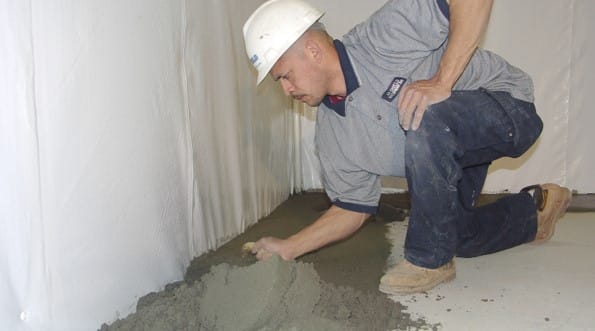 Damp basements can lead to costly structural problems and hurt resale value. Water intrusion and chronic moisture accelerate foundation damage, rot, and material degradation — all of which are expensive to repair and can scare off buyers.
How Do Foundation Cracks and Water Intrusion Cause Damage?
Water that reaches the foundation can erode concrete, shift soils, and open cracks. Over time, those movements can lead to structural instability and expensive remediation. Regular inspections and early repairs prevent small moisture issues from becoming major structural failures.
How Does Basement Moisture Affect Home Resale Value?
Buyers notice histories of water problems. A home with documented dampness or past repairs often sells for less or takes longer to sell. Fixing moisture problems and documenting the work preserves value and gives buyers confidence.
What Effective Solutions Can Improve Energy Efficiency and Comfort?
Targeted waterproofing, improved drainage, and indoor air‑quality measures work together to cut energy waste and restore comfort. Fix the water entry points first, then address humidity and ventilation to keep the improvements lasting and efficient.
How Does Professional Basement Waterproofing Save Energy?
Professional waterproofing stops water before it reaches walls and insulation, stabilizing humidity and reducing the load on your HVAC system. That translates to lower energy bills and fewer comfort complaints. A.M. Shield Waterproofing Corp specializes in full‑scope basement solutions that protect your home and improve long‑term efficiency.
What Indoor Air Quality Solutions Help Combat Dampness?
Dehumidifiers, properly balanced ventilation, and air purifiers all help once the source of moisture is managed. These solutions reduce airborne spores and control humidity so living spaces feel fresher and systems run more efficiently. Combining source‑side fixes with air‑quality equipment delivers the best results.
| Waterproofing Method | Description | Benefits |
|---|---|---|
| Exterior Foundation Waterproofing | Prevents water from entering the basement through the foundation walls | Reduces moisture levels, protects structural integrity |
| Interior Drainage Systems | Collects and redirects water away from the basement | Prevents flooding, improves air quality |
| Sump Pump Installation | Removes excess water from the basement | Protects against water damage, reduces humidity |
Putting these waterproofing strategies in place protects insulation and HVAC performance, lowers energy bills, and creates a healthier, more comfortable home. If your basement feels damp, the right combination of fixes will stop the cycle — and keep your home performing the way it should.

A.M. Shield Waterproofing recently awarded the Basement Health Association STAR Award for exceptional customer care for the fifth year in a row. Servicing Long Island, NYC and Westchester with Nationally Certified Waterproofing and Mold Remediation Specialists they are able to provide the highest level of professional solutions. A.M. Shield has the widest range of services available to property owners in the greater New York area utilizing multiple techniques in exterior foundation waterproofing, interior drainage, foundation crack injections and foundation repair solutions,. A.M. Shield™s environmental division will assess the damage, repair the problem and create a healthy environment for property owners who experience mold or moisture problems.
