
Basement humidity refers to the amount of water vapor present in the air of your below-grade space, and it commonly rises after rain because increased soil moisture and poor drainage push water toward foundation materials, promoting condensation and elevated relative humidity that can feed mold and structural damage. This guide explains the physical mechanisms of groundwater saturation, hydrostatic pressure, capillary suction, and vapor diffusion so you can diagnose spikes in basement humidity after storms and apply targeted fixes to protect indoor air quality and building components. You will learn how to measure humidity accurately, what immediate and long-term steps lower moisture, and when to escalate to professional waterproofing or foundation repair. The article maps the causes, common effects, monitoring techniques, prioritized solutions (short-term and long-term), criteria for hiring specialists, and a year-round prevention plan so you can act quickly after the next heavy rain. Throughout, we use consistent terminology basement humidity, hygrometer, dehumidifier, sump pump, vapor barrier and provide comparison tables, step lists, and practical checklists to make implementation straightforward.
What Causes Basement Humidity to Increase After Rain?
 Basement humidity rises after rain because increased external water changes the moisture balance around foundations, driving water through soil pores and into foundation materials while trapping moisture indoors; understanding these drivers helps prioritize fixes that reduce indoor relative humidity and lower mold risk. The dominant mechanisms include groundwater saturation that increases hydrostatic pressure against foundation walls, moisture transport through cracks and concrete via capillary suction and vapor diffusion, surface water pooling from failed drainage, and reduced ventilation that prevents drying. Identifying which mechanism is active in your home determines whether you start with exterior drainage, sealant repairs, or indoor dehumidification. The next subsections break these mechanisms down in plain language and show homeowner checks that quickly reveal likely causes.
How Does Rain Lead to Groundwater Saturation and Basement Moisture?
Groundwater saturation occurs when heavy or prolonged precipitation fills the pore spaces in soil, raising the local water table so that soils adjacent to foundations remain wet and exert hydrostatic pressure against basement walls and floors. Hydrostatic pressure is the force of saturated soil pushing outward and upward; that pressure can force water through microscopic pores, hairline cracks, or along construction joints into the basement environment. For homeowners, a useful check is to note how long yard soil stays wet after a storm—days of standing wetness indicate the water table or poor drainage, which increases moisture migration into the foundation. Understanding groundwater saturation points you toward drainage solutions that lower the external moisture load and reduce the driving force behind basement humidity.
Why Do Foundation Cracks and Water Intrusion Raise Basement Humidity?
Foundation cracks provide direct pathways for liquid water and moist soil gases to enter a basement, while intact but porous concrete can transfer moisture by capillary suction and vapor diffusion even without visible leaks. Capillary suction draws liquid water through tiny pores in concrete like a sponge, and vapor diffusion moves moisture as vapor from wetter materials toward drier interior air; both raise indoor relative humidity over time. Homeowners can inspect for hairline cracks, efflorescence (white mineral deposits), or damp spots after rain as indicators of moisture migration, and these observations guide whether a simple sealant or a more involved repair is needed. Addressing cracks reduces direct water entry and limits the substrate available for evaporation into basement air.
How Does Poor Exterior Drainage Contribute to Basement Dampness?
Poor exterior drainage—blocked gutters, downspouts that dump water near the foundation, compacted soil with negative grading, or landscape features that trap water—keeps large volumes of water adjacent to foundation walls and increases the moisture load against the structure. When roof runoff isn’t routed away, repeated rain events saturate soil and promote pooling that elevates hydrostatic pressure and encourages seepage through walls and floors. Quick homeowner fixes include cleaning gutters, adding downspout extensions, and regrading soil to slope away from the house; these steps reduce the volume of water near foundations and directly lower the chance of humidity spikes inside. Implementing those fixes is typically the first practical step before inside remediation.
What Role Does Poor Ventilation Play in Basement Humidity After Rain?
Poor ventilation limits air exchange between the basement and drier outdoor air, allowing moisture introduced after rain to accumulate and condense on cool surfaces; inadequate airflow therefore prolongs elevated relative humidity and slows drying after wet events. Basements with sealed windows, no exhaust fans, and limited cross-ventilation trap humid air and create microclimates where condensation and mold thrive, especially on cold foundation walls. Introducing mechanical extraction, intermittent window ventilation when outdoor conditions are drier, or balanced ventilation with heat recovery devices helps remove moisture-laden air and accelerates drying. Improving ventilation should be paired with source controls like drainage and dehumidification for effective humidity reduction.
How Do Internal Moisture Sources Affect Basement Humidity Levels?
Internal moisture sources—laundry, drying clothes, plumbing leaks, houseplants, aquariums, or occupants add vapor directly into basement air and can compound humidity spikes after rain when external drying is limited. For example, running a clothes dryer without venting to the outdoors or a slow leak under a sink magnifies humidity, making it harder for dehumidifiers or ventilation to restore target relative humidity. Prioritizing fixes for internal sources—repairing leaks, venting appliances externally, and moving water-using activities upstairs—reduces the baseline moisture load so that storm-driven increases become easier to control. Combining source reduction with monitoring ensures you reduce cumulative contributions to high basement humidity.
What Are the Common Effects of High Basement Humidity After Rain?
High basement humidity after rain impacts health, structure, and comfort by creating conditions favorable to mold growth, promoting material degradation, producing persistent musty odors, and attracting pests; addressing humidity prevents worsening damage and reduces remediation costs. Elevated relative humidity accelerates microbial growth on organic materials, lowers the lifespan of wood and insulation, and increases corrosion risk for metal components. The following subsections describe typical health and structural consequences and give homeowners observable signs that warrant action.
How Does Excess Moisture Promote Mold and Mildew Growth?
Mold and mildew flourish when relative humidity stays above roughly 50% and organic surfaces provide food, meaning a damp basement after rain can grow visible colonies within days, with hidden growth forming behind insulation or wall finishes. Recent guidance emphasizes rapid drying—within 24–48 hours—after wetting to minimize mold establishment; failure to dry materials promptly increases remediation complexity and health risks. Symptoms associated with mold exposure can include nasal irritation, wheeze, or a worsening of allergy symptoms in sensitive individuals, making early detection and drying critical. Prompt removal of wet materials and reducing humidity through dehumidifiers and ventilation significantly lowers mold risk.
What Structural Damages Result from Persistent Basement Moisture?
Persistent moisture accelerates wood rot, degrades insulation performance, causes efflorescence on masonry, and over time can undermine finishes and framing components, sometimes leading to costly repairs if left unmanaged. Continuous dampness shortens material life cycles—wood framing and joists are especially vulnerable to fungal decay when elevated moisture persists—so early intervention preserves structural integrity and reduces long-term maintenance costs. Homeowners should watch for soft or sagging wood, peeling paint, or white powdery deposits on concrete as signs that moisture has been active long enough to damage materials. When structural concerns appear, professional assessment helps determine whether stabilization or targeted repairs are necessary.
Why Do Musty Odors and Poor Air Quality Occur in Humid Basements?
Musty odors are produced by microbial volatile organic compounds (MVOCs) released by mold and bacteria as they metabolize moist organic material; these odors often spread through a house and degrade perceived indoor air quality. Persistent high humidity also increases airborne particulates and can interact with HVAC systems to distribute damp, odorous air throughout living spaces, affecting occupant comfort and health perception. Mitigation cleaning contaminated surfaces, increasing ventilation, and lowering RH reduces MVOC production and improves whole-house air quality. Addressing odor sources directly and preventing recurrent moisture limits odor recurrence and improves occupant comfort.
How Can High Humidity Attract Pests to Your Basement?
Damp basements provide food, shelter, and breeding conditions attractive to pests such as silverfish, cockroaches, and rodents; moisture can also bring damp-loving insects that thrive in humid microenvironments. By removing moisture sources and sealing entry points, homeowners reduce habitat suitability and lower pest pressure without relying solely on chemical controls. Simple exclusion measures sealing gaps, fixing leaks, and maintaining lower humidity make the environment less hospitable and complement pest management strategies. Maintaining dryness is therefore both a moisture-control and pest-prevention tactic.
How Can You Measure and Monitor Basement Humidity Levels?
Measuring basement humidity starts with a reliable hygrometer and a disciplined placement and logging routine so you can compare readings to target ranges and detect post-rain spikes that require action. Accurate monitoring involves placing devices in representative locations (near the center of usable basement space and near problem walls), recording readings daily after storms, and using smart sensors for continuous alerts when readings rise above thresholds. Combining spot hygrometers with one or more smart humidity sensors gives both immediate readings and remote monitoring capability to respond quickly. The subsections below define ideal ranges, practical hygrometer use, and when smart sensors are worth the investment.
What Is the Ideal Basement Humidity Range to Prevent Problems?
Aim for a maintained relative humidity range of about 30–50% in basements to minimize mold growth and material degradation; staying near 40–50% balances preventing mold while avoiding overly dry conditions that can harm some materials. Sustained RH above 50% increases mold risk and accelerates wood moisture uptake, while RH below 30% can dry out certain materials but is rarely necessary and can create discomfort. Use the 30–50% target as a practical homeowner setpoint for dehumidifiers and ventilation control to reduce the chances of post-rain humidity spikes causing long-term issues. Monitoring against this target helps you set actionable thresholds for dehumidifier activation or professional assessment.
How Do You Use a Hygrometer to Track Basement Humidity?
Choose a reliable hygrometer, place it in a representative location about 3–5 feet away from walls and off the floor, and record readings at consistent times each day—more frequently immediately after heavy rain—to detect trends and spikes. Calibrate inexpensive meters periodically against a known reference or replace batteries to maintain accuracy, and avoid placing meters next to dehumidifiers or vents where localized airflow skews measurements. Log readings in a simple diary or use smart sensors that record history to visualize humidity trends and correlate them with rain events; these logs clarify whether interventions reduced baseline moisture. Regular monitoring ensures timely responses before mold or structural impacts develop.
When Should You Consider Smart Humidity Sensors for Your Basement?
Smart humidity sensors are valuable when you need continuous monitoring, remote alerts, or automation with dehumidifiers and HVAC systems—useful for vacation homes, frequent storms, or basements with intermittent occupants. These devices can send push notifications when RH exceeds setpoints and integrate with smart dehumidifiers to start drying automatically, reducing response time after rain events. For homeowners who travel or want hands-off control, smart sensors paired with automated dehumidification provide peace of mind and measurable performance data. If you prefer manual oversight and are home regularly, a reliable standalone hygrometer and routine checks may suffice.
| Device | Attribute | Typical Cost / Installation Complexity |
|---|---|---|
| Basic digital hygrometer | Simple RH/R temp readout | Low cost, plug-and-play, no installation |
| Smart humidity sensor | Remote alerts, data logging, automation | Moderate cost, app setup, Wi–Fi required |
| Portable dehumidifier with hygrostat | Removes moisture, adjustable RH setpoint | Moderate cost, simple setup, drain hose option |
| Whole-home dehumidifier | Central integration, large-capacity control | Higher cost, professional installation often required |
What Are the Most Effective Solutions to Reduce Basement Humidity After Rain?
Effective solutions combine source control (drainage and waterproofing), moisture removal (dehumidification and ventilation), and targeted repairs (crack sealing, insulation) to lower basement humidity quickly and durably. Prioritize actions by immediacy: short-term drying (portable dehumidifier, fans), mid-term fixes (sump pump checks, sealant for minor cracks), and long-term investments (exterior waterproofing, French drains, whole-house dehumidifiers). The following subsections explain dehumidifier options, waterproofing approaches, crack repair, exterior drainage techniques, ventilation upgrades, and insulation of cold surfaces. After this practical guide, consider professional services for systemic water intrusion issues or recurring high humidity despite these measures.
How Do Dehumidifiers Help Control Basement Moisture?
Dehumidifiers remove moisture from air by condensing water (refrigerant units) or absorbing vapor onto desiccant material, lowering relative humidity toward your setpoint; they are the primary indoor tool for reducing basement humidity after rain. Choose between portable dehumidifiers for spot treatment and whole-house or inline units for larger volumes—size units based on basement square footage, ceiling height, and moisture load, aiming for a machine capable of lowering RH to around 40–50%. Regular maintenance—emptying or plumbed drains, cleaning filters, and seasonal checks—keeps units efficient and prevents them from becoming moisture sources themselves. Operating dehumidifiers alongside ventilation and source control provides the best long-term humidity control.
What Basement Waterproofing Methods Prevent Water Intrusion?
Waterproofing approaches include interior solutions (sealants, interior drain systems, vapor barriers) and exterior methods (excavation, membrane application, exterior drainage systems such as French drains) that stop water before it reaches the structure. Interior waterproofing can manage minor seepage and redirect water to a sump pump, while exterior excavation and membrane systems address hydrostatic pressure by stopping water outside the foundation; the choice depends on the source and severity of intrusion. Use the table below to compare methods and typical best-use cases to select an appropriate strategy for your basement.
| Solution | Attribute | Best Use Case |
|---|---|---|
| Interior sealant/coating | Applied to concrete surfaces to slow vapor and minor seepage | Small leaks, cosmetic moisture control |
| Interior drain + sump pump | Channel water to pump for removal | Intermittent seepage or high groundwater with limited exterior access |
| Exterior membrane + excavation | Stops water at the source and relieves hydrostatic pressure | Severe seepage, high water table, long-term protection |
| French drain installation | Subsurface channel to move water away from foundation | Yard drainage issues and persistent perimeter saturation |
How Can Sealing Foundation Cracks Reduce Moisture Entry?
Sealing cracks uses products like hydraulic cement for active leaks, epoxy or polyurethane injection for structural crack repairs, and exterior excavation for severe cases; appropriate selection depends on crack width, movement, and water pressure. Small, non-moving hairline cracks may accept flexible sealants, while active leaks under pressure require hydraulic cement or injected polyurethane to stop infiltration; structural cracks often need professional evaluation and repair. DIY sealing offers temporary relief for minor issues, but recurring leaks or visible wall movement suggest the need for expert assessment to ensure long-term stability. Proper sealing reduces pathways for water and helps maintain lower basement humidity.
How Does Improving Exterior Drainage Lower Basement Humidity?
Exterior drainage lowers the amount of water next to the foundation by ensuring roof runoff and surface water are directed away via gutters, downspout extensions, regrading, and landscape drains; reducing water near the foundation decreases both hydrostatic pressure and moisture available for capillary uptake. Practical steps include installing or extending downspouts to discharge several feet away, adding swales or grading to slope soil away from walls, and using gravel-filled trenches or French drains where surface water accumulates. These actions reduce the volume of water that can migrate into foundation systems and therefore reduce indoor humidity after rain. Prioritizing low-cost drainage fixes often yields immediate humidity reduction.
What Ventilation Improvements Can Help Dry Out a Humid Basement?
Ventilation options range from passive cross-ventilation to mechanical extraction and balanced systems (HRV/ERV), and the right choice depends on climate, temperature differentials, and energy considerations. Simple improvements include adding window vents or exhaust fans to increase air changes when outdoor air is drier; more advanced solutions like heat recovery ventilators maintain energy efficiency while bringing in fresh, drier air. Combining ventilation with dehumidification is often most effective—ventilation exchanges air while dehumidifiers remove moisture to targeted RH setpoints. Evaluate outdoor conditions before ventilating; on humid days, mechanical dehumidification is preferable to introducing moist outdoor air.
Why Is Insulating Pipes and Cold Surfaces Important for Moisture Control?
Cold pipes, ductwork, and surfaces act as condensation points when warm humid air contacts them, producing localized moisture that can lead to dripping and elevated RH; insulating these surfaces prevents condensation and reduces spot dampness. Applying pipe insulation, wrapping cold water lines, and insulating unconditioned wall surfaces reduces temperature differentials that drive condensation and helps maintain consistent basement RH. Simple materials like foam pipe insulation and rigid board for cold foundation walls can be effective DIY measures that complement overall humidity control strategies. Preventing condensation at known cold spots reduces both visible moisture and hidden mold risk.
| Solution | Characteristic | Best Use Case |
|---|---|---|
| Portable dehumidifier | Spot drying, flexible placement | Immediate post-rain drying in single rooms |
| Sump pump system | Removes collected water from drains | Basements with interior water accumulation |
| Exterior waterproofing | Long-term prevention | High water table or chronic seepage |
| Ventilation upgrades | Improves air exchange | Reduces lingering humidity when outdoor air is drier |
After considering these options, homeowners may choose to consult professionals for system-sizing or for exterior excavation when hydrostatic pressure is severe. Professionals can recommend properly sized dehumidifiers and drainage solutions and explain costs and expected timelines for major interventions.
When Should You Call a Professional for Basement Humidity and Moisture Issues?
Call a professional when recurring flooding, structural movement, or persistent high humidity persists despite reasonable homeowner interventions, as experts can diagnose hydrostatic pressure problems, design permanent drainage solutions, and perform foundation repairs safely. Professionals provide diagnostic testing, moisture mapping, and recommendations that balance interior and exterior approaches for long-term protection.
What Signs Indicate the Need for Waterproofing or Foundation Repair Experts?
Engage experts if you observe major cracks (>1/4 inch), bowing or bulging walls, persistent standing water after rain, or mold that returns despite dehumidification and cleaning, as these are red flags indicating structural or systemic water issues. Other indicators include chronic high RH readings (>60%) despite dehumidifier operation and visible water tracking or efflorescence that suggests continuous moisture movement. Before calling a pro, document conditions (photos, moisture readings, and timing relative to rain events) to help the assessment; professionals use this evidence to pinpoint the failure modes and design effective remediation. Prompt professional intervention reduces the chance of escalating structural damage.
Which Professionals Specialize in Basement Waterproofing and Moisture Control?
Professionals include waterproofing contractors who install interior and exterior drainage systems, foundation repair specialists who address structural cracks and wall movement, and HVAC or indoor-air-quality contractors who advise on dehumidification and ventilation upgrades. When vetting contractors, look for clear warranties, documented references, and insurance coverage; ask about diagnostic methods and proposed timelines. Expect professionals to perform site-specific assessments, provide cost estimates, and recommend combinations of drainage, sump systems, sealants, or excavation depending on severity. Choosing the right specialist depends on whether the primary issue is water entry, structural failure, or indoor air control.
How Do Professionals Assess and Address Hydrostatic Pressure Problems?
Professionals assess hydrostatic pressure by evaluating site grading, water table indicators, sump pump performance, and interior moisture patterns, often using moisture meters and visual inspection to map pathways of water movement. Common remediation options include installing exterior waterproof membranes, perimeter French drains to intercept water before it reaches the foundation, and interior channel systems paired with reliable sump pumps to manage infiltrating water. Timeline and disruption vary—interior systems can be installed in days with limited excavation, while exterior excavation and membrane installation may take longer and require landscaping restoration. Professionals can also advise on long-term maintenance to ensure systems remain effective.
How Can You Prevent Basement Humidity Spikes Year-Round?
Preventing humidity spikes year-round combines seasonal maintenance, consistent dehumidifier use, regular drainage system care, and adaptive humidity management strategies tied to weather conditions; an annual plan reduces emergency repairs and extends building lifespan. A maintenance schedule focused on gutters, sump pump checks, and landscape grading helps prevent moisture accumulation, while ongoing monitoring with hygrometers or smart sensors provides early warnings. The following subsections provide a seasonal checklist, dehumidifier operation advice, drainage maintenance practices, and guidance for adjusting strategies with weather.
What Seasonal Maintenance Steps Help Control Basement Moisture?
Seasonal tasks that reduce basement humidity include spring and fall gutter cleaning, pre-wet-season sump pump tests, grading inspections after winter freeze-thaw cycles, and checking downspout routing ahead of rainy seasons. Performing these tasks on a seasonal calendar reduces the chance that storms will overwhelm drainage systems and creates predictable windows for preventative repairs. A short seasonal checklist: clean gutters in spring/fall, test the sump pump before the rainy season, inspect grading and correct negative slopes in late spring, and winterize exterior systems before freeze events.
| Maintenance Task | Frequency | Seasonal Notes |
|---|---|---|
| Gutter and downspout cleaning | Spring and fall | Clean before heavy rain seasons to prevent overflow |
| Sump pump inspection | Twice per year (pre-rain season) | Test battery backup and float switch functionality |
| Grading and landscape check | Annually after thaw | Regrade soil that has settled toward foundation |
| Dehumidifier filter/maintenance | Quarterly | Clean filters and check drains before humid months |
 How Does Regular Dehumidifier Use Maintain Ideal Humidity Levels?

Running a dehumidifier to maintain an RH setpoint of about 40–50% keeps moisture within safe bounds and reduces the chance of mold growth and condensation, with continuous operation recommended in persistently damp basements. For seasonal adjustments, run continuously during humid months and consider intermittent operation in cooler, drier periods; ensure condensate drains are clear or use a gravity/drain hose to reduce manual emptying. Regular maintenance—cleaning filters, inspecting coils, and verifying drainage—preserves performance and energy efficiency. Consistent dehumidifier use paired with source repairs prevents humidity from cycling back up after rains.
What Are Best Practices for Maintaining Drainage Systems and Gutters?
Maintain gutters and drainage by clearing debris twice yearly, ensuring downspouts discharge several feet from foundations, and installing splash blocks or extensions where needed to prevent pooling. Inspect gutters for sagging, leaks, and proper slope toward downspouts, and consider gutter guards where heavy leaf loads are a recurring problem; correct any issues before the wet season. For persistent water near the foundation, evaluate installing or repairing French drains or surface swales to redirect runoff. Proactive drainage maintenance minimizes exterior water accumulation and the subsequent pressure that drives basement humidity after rain.
How Can You Monitor and Manage Indoor Humidity During Different Weather Conditions?
Adjust humidity-control tactics based on weather: before storms, clear drains and confirm sump pump readiness; immediately after rain, run dehumidifiers and increase ventilation when outdoor air is drier; during extended wet periods, focus on source control and professional fixes. Use smart sensors to automate responses—set alerts for high RH and schedule dehumidifier operation during nights or cooler hours for efficiency. A simple pre-storm checklist includes checking gutters, ensuring the sump pump is functional, and moving valuables off basement floors; post-storm actions prioritize drying and logging humidity trends. Adaptive management prevents temporary spikes from becoming chronic moisture problems.
What Are Common Questions About Basement Humidity After Rain?
This section answers frequent homeowner questions with concise, actionable guidance so you can address immediate concerns and know when to pursue deeper remediation or professional assessment. Each response summarizes underlying mechanisms, practical next steps, and links mentally to the more detailed sections above for readers needing more context.
Why Is My Basement So Humid After It Rains?
Your basement becomes humid after rain because rainwater increases the moisture load around the foundation—through groundwater rise, poor drainage, or water entering cracks—and because limited ventilation traps that moisture indoors, causing relative humidity to spike. Quick homeowner checks include looking for standing water outside, inspecting gutters and downspouts, and checking for damp spots or efflorescence inside; these checks indicate whether the primary driver is exterior drainage, direct leaks, or indoor sources. Address the most likely source first—clear gutters and run a dehumidifier—then pursue drainage or sealing repairs if humid conditions recur repeatedly.
How Do I Get Rid of Humidity in My Basement After Rain?
Immediate actions include removing standing water, running a portable dehumidifier set to 40–50% RH, increasing ventilation when outdoor air is drier, and drying wet materials within 24–48 hours to prevent mold. Medium-term steps are sealing minor cracks, ensuring downspouts direct water away from the foundation, and testing/servicing sump pumps; long-term measures include installing perimeter drains or exterior membranes for chronic water intrusion. If humidity remains high despite these steps or visible structural issues exist, consult a specialist for diagnosis and permanent remediation.
Should I Run a Dehumidifier After Heavy Rain?
Yes—run a dehumidifier after heavy rain if you observe RH above the 40–50% target or notice condensation, dampness, or musty odors; dehumidifiers speed drying and reduce mold risk when outdoor ventilation is not effective. Ensure the unit is sized appropriately for the basement volume and moisture load, route condensate to a drain when possible, and monitor RH to avoid over-drying. Pair dehumidification with source controls like improved drainage to prevent repeated cycles of high humidity after future rains.
What Is the Ideal Humidity Level for a Basement?
The ideal basement humidity level is approximately 30–50% relative humidity, with a practical homeowner target around 40–50% to balance mold prevention and material preservation; values above 50% increase mold risk while values below 30% are generally unnecessary. Use this range as your control setpoint for dehumidifiers and as an alert threshold for professional intervention if you cannot maintain it after storms. Regular monitoring and maintenance help keep RH within this safe band.
How Do I Stop Water From Coming Into My Basement After Heavy Rain?
To stop water after heavy rain, take immediate triage steps clear gutters and downspouts, place temporary sandbags or barriers for critical entries, run dehumidifiers and pumps to remove standing water, and plan long-term interventions like exterior drainage improvements, sump pump upgrades, or exterior waterproofing to prevent recurrence. Prioritize quick actions that reduce interior humidity and protect belongings, then schedule inspections to determine whether crack sealing, French drains, or professional excavation is required. Call a professional if you see structural signs, repeated flooding, or if interior measures fail to control moisture.
- Immediate steps: Remove standing water, run dehumidifiers, and increase ventilation when appropriate.
- Medium-term steps: Seal visible cracks, extend downspouts, and test sump pumps.
- Long-term steps: Install exterior drainage systems, apply waterproof membranes, or consult specialists for foundation repair.
These prioritized actions help homeowners manage immediate damage and plan durable fixes to prevent future humidity spikes.

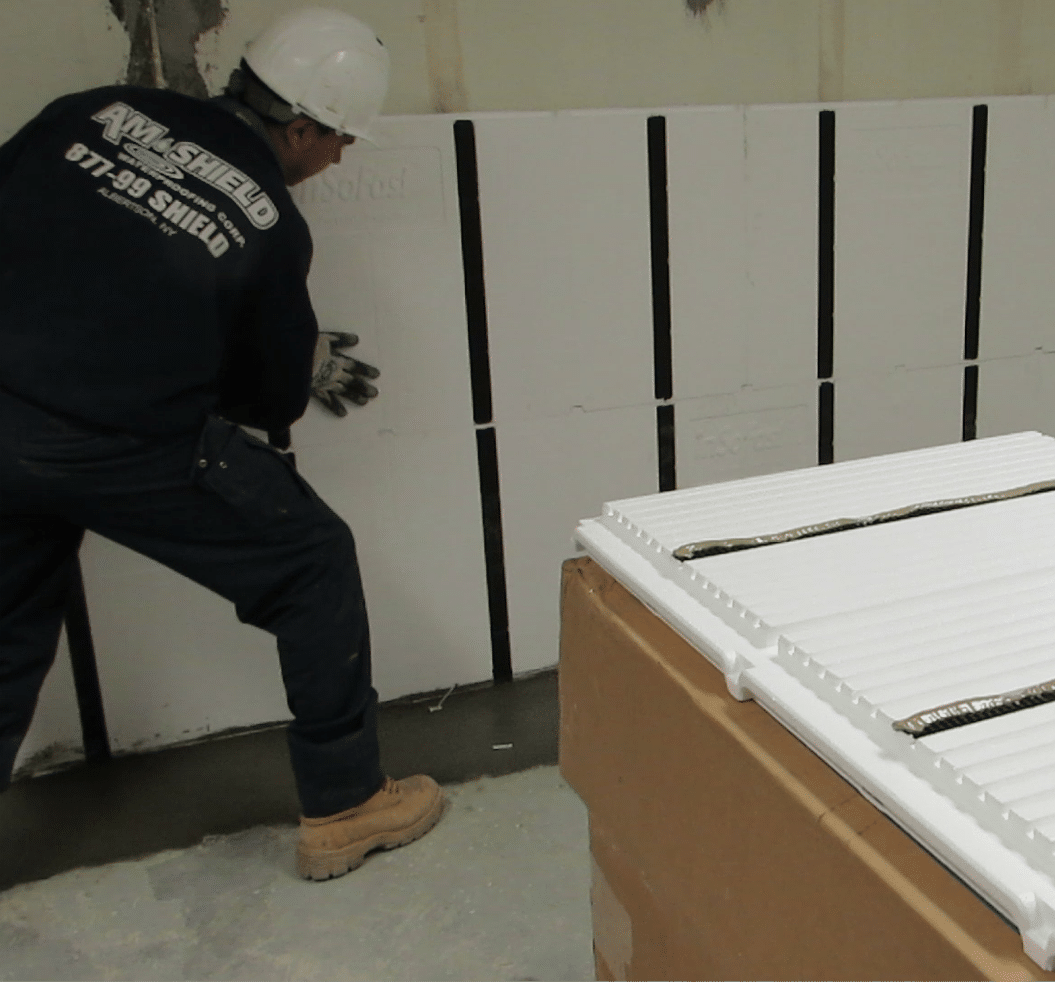
A.M. Shield Waterproofing recently awarded the Basement Health Association STAR Award for exceptional customer care for the fifth year in a row. Servicing Long Island, NYC and Westchester with Nationally Certified Waterproofing and Mold Remediation Specialists they are able to provide the highest level of professional solutions. A.M. Shield has the widest range of services available to property owners in the greater New York area utilizing multiple techniques in exterior foundation waterproofing, interior drainage, foundation crack injections and foundation repair solutions,. A.M. Shield™s environmental division will assess the damage, repair the problem and create a healthy environment for property owners who experience mold or moisture problems.
