
Older homes in Maryland face unique challenges from clay soils, high water tables, and historic foundations that make basement waterproofing not just advisable but critical for preserving structural integrity, preventing mold growth, and safeguarding property value. With as many as 60 percent of homeowners experiencing some form of basement water intrusion, understanding tailored waterproofing strategies is vital. This article explains why older Maryland basements are vulnerable, details interior and exterior waterproofing solutions, addresses structural and mold concerns, evaluates costs and benefits, guides professional selection, highlights early leak detection, and outlines maintenance practices. By following these insights, owners of historic Maryland homes can protect their investments and enjoy healthier living spaces.
What Makes Older Maryland Homes More Vulnerable to Basement Water Damage?
Historic foundations, local soils, and dated construction methods combine to amplify water intrusion risks in Maryland’s older properties. Recognizing these factors enables homeowners to choose effective, targeted waterproofing techniques.
 How Do Historic Foundations Increase Water Intrusion Risks?

Historic foundations in Maryland often consist of stone, brick, or rubble laid without modern damp-proofing materials. This porous construction allows groundwater to seep through mortar joints and cracks, leading to chronic moisture issues and efflorescence. For example, a 19th-century Annapolis rowhouse with a rubble foundation may show white mineral stains along interior walls after heavy rain. The absence of exterior waterproof membranes means water pressure drives moisture inward, stressing materials not designed for hydrostatic forces and setting the stage for mold growth and timber rot.
Exploring these vulnerabilities highlights why specialized basement waterproofing methods are essential for older homes in Maryland.
How Does Maryland’s Clay Soil and Climate Affect Older Basements?
Maryland’s clay-heavy soils and humid climate intensify hydrostatic pressure on foundations and maintain high subsurface moisture levels. Excessive rainfall elevates the water table, forcing moisture through porous walls and basement floors. Seasonal humidity further traps condensation inside unventilated spaces, fueling mold spores within 24 hours of exposure.
- Hydrostatic pressure from saturated clay soils pushing water through masonry
- High seasonal water table levels maintaining constant moisture
- Humid summers causing condensation on cool basement surfaces
These conditions underscore the urgency of comprehensive waterproofing to counteract soil-related pressures and climate-driven humidity in historic structures.
What Are the Common Signs of Water Damage in Older Maryland Basements?
Early detection of water damage prevents costly repairs and health risks. Homeowners should watch for:
- Visible wall stains or damp patches along foundation surfaces
- Musty, moldy odors indicating persistent moisture buildup
- Efflorescence, the white, powdery mineral deposits on masonry
- Bowing or cracked foundation walls under hydrostatic stress
- Buckled wood or warped flooring where moisture has seeped in
Identifying these indicators promptly allows for targeted intervention before structural and health issues escalate.
How Can Basement Waterproofing Protect Historic Maryland Homes?
Basement waterproofing preserves foundation integrity, reduces mold risk, and improves indoor air quality. Tailored interior and exterior methods provide complementary barriers against water intrusion.
What Interior Waterproofing Methods Are Effective for Older Basements?
Interior waterproofing creates a drainage network and barrier that captures and redirects water before it reaches living areas. Effective techniques include:
- Installing an interior French drain system along perimeter footings connected to a sump pump
- Applying high-performance waterproof sealants to walls and floors
- Integrating sub-floor drainage membranes that channel seepage into collection pipes
| Method | Mechanism | Benefit |
|---|---|---|
| Interior French Drain | Captures seepage at footing level | Redirects water to a sump pit |
| Sump Pump Installation | Pumps collected water outside | Prevents basement flooding |
| Waterproof Wall Sealant | Creates impermeable coating on walls | Seals micro-cracks against moisture |
| Drainage Membrane System | Channels water beneath flooring | Protects living space flooring |
These interior solutions form an effective first line of defense and set the stage for exterior measures.
How Do Exterior Waterproofing Solutions Work for Old Maryland Foundations?
Exterior waterproofing addresses the root cause by stopping water at its source before it penetrates the foundation. Common approaches include:
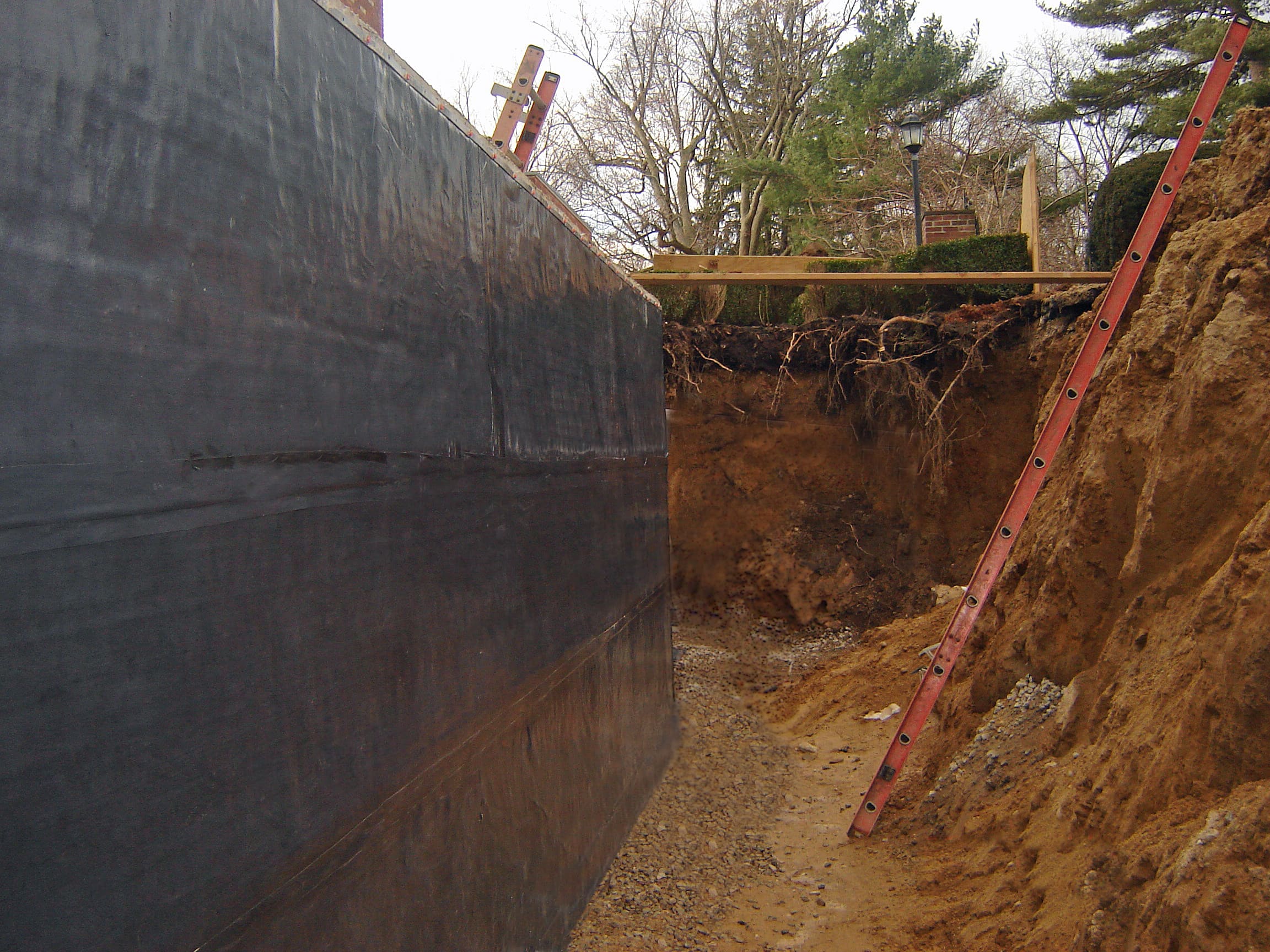
- Excavating around the foundation and applying waterproof membranes to exterior walls
- Installing French drains at grade to divert surface water away from the house perimeter
- Regrading landscaping to slope water away and prevent pooling near the foundation
| Solution | Function | Advantage |
|---|---|---|
| Waterproof Membrane | Blocks moisture at foundation face | Stops water before entering masonry |
| Exterior French Drain | Collects and redirects surface water | Reduces lateral water pressure |
| Soil Regrading | Establishes positive drainage slope | Prevents water accumulation by grading |
By combining exterior barriers with interior drainage, older basements gain comprehensive protection suited to historic masonry.
Why Is Crawl Space Encapsulation Important for Older Maryland Homes?
Crawl space encapsulation seals the transition zone between basement and ground level, eliminating hidden moisture sources and improving energy efficiency. Key benefits include:
- Installing a durable vapor barrier across crawl surfaces and walls
- Sealing vents and rim joists to control airflow and moisture entry
- Adding a dehumidifier to maintain optimal humidity levels
Encapsulating crawl spaces prevents damp air from migrating into the basement, enhances overall waterproofing effectiveness, and supports healthier indoor environments.
How Does Basement Waterproofing Address Structural and Mold Issues in Older Homes?
Waterproofing not only stops leaks but also underpins foundation repair and mold prevention strategies essential for aging properties.
What Foundation Repair Techniques Are Used for Historic Maryland Homes?
Repairing structural damage in older foundations requires specialized reinforcements that respect historic materials while addressing modern performance standards:
- Epoxy injection into foundation cracks to restore integrity and prevent further movement
- Carbon fiber wall straps to stabilize bowing or settling walls without major excavation
- Steel beam installation or wall anchors for severe lateral pressure stabilization
These repair methods reinforce masonry, halt wall deformation, and integrate seamlessly with waterproofing systems to ensure long-term stability.
How Does Mold Develop in Older Basements and How Is It Remediated?
Mold spores proliferate where moisture persists and ventilation is poor. In historic basements, water intrusion from porous walls and humid air creates ideal conditions for fungal growth within a day of exposure. Remediation follows a structured process:
- Containment and Air Filtration – Sealing off affected areas and using HEPA filtration units.
- Moisture Source Elimination – Fixing leaks and improving drainage systems.
- Surface Cleaning and Biocides – Applying antimicrobial treatments to kill mold colonies.
- Material Replacement – Removing irreparably damaged drywall, insulation, or wood.
Successful mold remediation combines structural waterproofing, humidity control, and thorough cleaning to restore healthy air quality.
What Role Do Dehumidification and Ventilation Play in Mold Prevention?
Controlling humidity and ensuring air exchange are critical to preventing mold recurrence:
- Running a basement-rated dehumidifier to maintain relative humidity below 50 percent
- Installing passive or powered vents to introduce fresh air and reduce condensation
- Integrating vapor-permeable wall liners that allow residual moisture to escape
Effective dehumidification and ventilation work in tandem with waterproofing membranes and drainage to create a dry, mold-resistant environment.
What Are the Costs and Long-Term Benefits of Waterproofing Older Maryland Basements?
Investing in basement waterproofing yields both immediate protection and lasting value through structural preservation and enhanced livability.
How Much Does Basement Waterproofing Cost for Historic Maryland Homes?
Costs vary based on foundation type, soil conditions, and chosen methods. Typical price ranges include:
| Method | Typical Cost Range | Cost Drivers |
|---|---|---|
| Interior Drainage + Sump | $3,000 – $6,000 | House size, basement depth |
| Exterior Waterproof Membrane | $8,000 – $15,000 | Excavation complexity, soil type |
| Crawl Space Encapsulation | $2,500 – $5,500 | Crawl size, insulation requirements |
What Is the Return on Investment for Waterproofing Older Homes?
Waterproofing older basements enhances property value, reduces maintenance costs, and promotes occupant health. Key ROI elements include:
- Increased resale value of 5 – 10 percent through certified dry basements
- Lower energy bills by preventing moisture-driven heat loss
- Reduced expense on mold remediation and structural repairs
- Improved indoor air quality supporting occupant well-being
The cumulative benefits often surpass initial costs within five to seven years, making waterproofing a sound long-term investment.
What Maryland Permits and Regulations Apply to Basement Waterproofing?
Maryland requires building permits for most foundation excavation and waterproofing projects. Historic homes may need additional approvals:
- Local building department permit for interior drainage and sump pump installation
- County or municipal permit for exterior excavation and membrane application
- Historic preservation review if the home is in a designated district
Adhering to these regulations ensures compliant, high-quality workmanship that maintains both safety and historic integrity.
How Do You Choose the Right Basement Waterproofing Professional in Maryland?
Selecting a qualified contractor safeguards your investment and ensures effective, lasting results for older homes.
Why Is Local Maryland Experience Crucial for Historic Home Waterproofing?
Contractors with deep knowledge of regional soil types, climate patterns, and preservation standards can tailor solutions precisely. Local expertise means understanding:
- Clay soil behavior around Baltimore rowhomes
- Permit processes across Maryland counties
- Best practices for stone and brick foundation restoration
A professional experienced in Maryland’s specific conditions delivers more reliable waterproofing and compliance with regional codes.
What Licensing, Warranties, and Guarantees Should You Look For?
Trustworthy basement waterproofing specialists offer:
- State or county contractor licensing demonstrating compliance with building standards
- Written warranties covering workmanship and materials for the life of the structure
- Manufacturer guarantees on sealants, membranes, and sump pump systems
These assurances reflect confidence in service quality and provide recourse if issues arise down the line.
How Can Customer Reviews and Case Studies Guide Your Decision?
Examining past projects and homeowner testimonials reveals real-world performance. Look for:
- Documented before-and-after photos of historic basement waterproofing
- Detailed case studies highlighting solutions for stone or brick foundations
- Consistent positive feedback on communication, timeliness, and cleanup
Social proof from similar older-home projects offers tangible evidence of a contractor’s capability.
What Are the Early Warning Signs of Basement Leaks in Older Maryland Homes?
Spotting subtle signs of leaks enables swift action and prevents escalation of basement water issues.
How to Identify Musty Odors and Efflorescence in Historic Basements?
Musty, stale air often accompanies unseen water intrusion, while efflorescence presents as white, powdery deposits on masonry. Detect these signs by:
- Performing a sniff test after periods of rain or high humidity
- Inspecting foundation walls and floors for salt-like streaks
- Checking corners and behind stored items where moisture accumulates
Recognizing these sensory and visual clues prompts timely waterproofing checks.
What Foundation Cracks and Floor Damage Signal Water Intrusion?
Even hairline cracks in walls or slabs can admit hydrostatic seepage. Warning indicators include:
- Vertical or diagonal fissures wider than 1/16 inch
- Spalling or flaking of mortar along joints
- Buckled or stained floorboards due to localized water entry
Addressing cracks early prevents water channels from growing and undermining structural stability.
When Should You Schedule a Professional Inspection?
Scheduling a waterproofing inspection is advisable:
- Immediately after noticing any musty odor, stain, or crack
- Before listing an older home for sale to certify dryness
- Following major storms or unusual flooding events
Proactive inspections keep historic basements dry and preserve both property and occupant health.
What Maintenance Practices Extend the Life of Waterproofed Basements in Older Maryland Homes?
Regular upkeep ensures waterproofing systems continue to perform and protect historic structures.
How Often Should You Inspect and Maintain Waterproofing Systems?
Routine checks every six months help identify emerging problems:
- Confirm sump pump operation and battery backup function
- Clear debris from interior and exterior drain outlets
- Reapply sealant coatings as recommended by manufacturers
Consistent maintenance prevents lapses in protection and reduces the risk of water intrusion.
What Preventative Measures Help Avoid Future Water Damage?
Beyond system checks, proactive steps include:
- Keeping gutters and downspouts clear to prevent overflow near foundations
- Ensuring landscaping slopes direct rainwater away from the house
- Running a dehumidifier during humid seasons to control basement moisture
These measures complement waterproofing installations and form a holistic defense against water issues.
How Does Crawl Space Encapsulation Support Basement Longevity?
Maintaining a sealed crawl space barrier ensures sub-floor moisture cannot migrate upward:
- Periodically inspect vapor barriers for tears or punctures
- Replace or service dehumidifiers and airflow systems as needed
- Monitor humidity sensors to detect deviations from target ranges
Ongoing encapsulation care sustains dry conditions beneath the home, reinforcing overall basement integrity.
Maintaining a comprehensive waterproofing program tailored to older Maryland homes preserves historic foundations, deters mold growth, and secures the long-term value of your property. By combining proactive inspections, targeted interior and exterior solutions, and qualified professional services, homeowners can enjoy dry, healthy basements for generations to come.

A.M. Shield Waterproofing recently awarded the Basement Health Association STAR Award for exceptional customer care for the fifth year in a row. Servicing Long Island, NYC and Westchester with Nationally Certified Waterproofing and Mold Remediation Specialists they are able to provide the highest level of professional solutions. A.M. Shield has the widest range of services available to property owners in the greater New York area utilizing multiple techniques in exterior foundation waterproofing, interior drainage, foundation crack injections and foundation repair solutions,. A.M. Shield™s environmental division will assess the damage, repair the problem and create a healthy environment for property owners who experience mold or moisture problems.
