
Bowed basement walls represent a serious concern for homeowners, signaling deeper foundational issues that could compromise the safety and structural integrity of a property.
They often result from the relentless forces of moisture, soil pressure, and the natural aging of construction materials.
Yet, with the right knowledge and strategies, preventing and repairing these bowing issues becomes a manageable task, ensuring your home remains both safe and secure.
Identifying early warning signs and understanding the underlying causes are vital first steps in addressing this common problem.
Keep reading to discover expert strategies that can protect your home from the risks of bowing basement walls and maintain its structural health over the long term.
Understanding the Basics of Bowed Basement Walls
Bowed basement walls are a foundational concern that poses a significant risk not only to the structural integrity of a property but also to the safety of its occupants.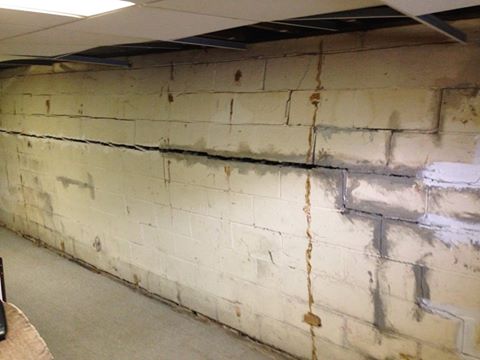
This condition, where walls curve inward under pressure, often results from persistent soil expansion and contraction caused by variations in moisture levels.
The impact of bowing walls extends beyond mere aesthetics, threatening the home’s very stability.
Recognizing the signs of this problem early on, such as visible wall cracks, leaning walls, or even the separation of walls from floors and ceilings, is critical in averting potential hazards.
As we delve into the nuances of bowed basement walls, understanding their effects and identifying early warning signs become paramount in ensuring both property safety and the well-being of those within.
Defining Bowed Basement Walls and Their Impact
Bowed basement walls occur when external forces exert enough pressure on the foundation walls, causing them to curve or bow inward. This phenomenon usually stems from the soil surrounding the foundation, especially clay-rich soils that expand when wet and contract when dry, applying cyclical stress on the walls.
The implications of bowed walls go beyond superficial damage, jeopardizing the structural integrity and safety of the building. Such conditions can compromise the load-bearing capacity of the walls, leading to more severe consequences like total wall failure if not addressed promptly and correctly.
Signs Your Basement Walls Might Be Bowing
One of the most telling signs of bowing basement walls is the presence of horizontal cracks. These fractures, often starting small and widening over time, are clear indicators of the relentless pressure exerted by the surrounding soil. Another unmistakable sign is when doors or windows within the basement area become difficult to open or close, pointing to shifts in the foundation’s integrity caused by the inward curving of the walls.
In more advanced cases, homeowners might observe a noticeable inward bulge along their basement walls, with the curvature visible to the naked eye. This deformation signifies that the structural stress has reached a critical level, necessitating immediate action to prevent further damage and potential risks to the building’s overall stability and safety.
Proven Strategies to Prevent Basement Wall Bowing
Turning our attention to preventative measures against bowed basement walls, the focus sharpens on strategies that directly address the root causes.
Enhanced drainage, strategic landscaping, and meticulous water management emerge as core principles in this battle against foundational stress.
These approaches aim to mitigate hydrostatic pressure—the relentless force exerted by water in the soil surrounding a home, which often heralds the onset of bowing walls.
By intercepting and rerouting water away from the foundation, homeowners can significantly reduce the risk of soil expansion and the subsequent strain on basement walls.
This section will explore how adopting these methodologies not only serves as a defensive measure against structural damage but also promotes the long-term stability and integrity of the foundation.
Enhance Drainage to Reduce Hydrostatic Pressure
Enhancing drainage around the foundation plays a pivotal role in combatting the forces that lead to bowing basement walls. Strategic installation of drainage systems like French drains, sump pumps, and proper grading ensures that water is effectively diverted away from your home’s foundation. This essential preventive measure reduces the hydrostatic pressure exerted by moisture-laden soil against basement walls, significantly lowering the risk of bowing and structural damage.
Implementing gutter systems and extending downspouts play a crucial part in effective water management around the property. By ensuring that rainwater flows away from the foundation rather than pooling around it, homeowners can further alleviate the stress on basement walls. These adjustments contribute to maintaining dryer soil conditions adjacent to the home, thus minimizing soil expansion and preserving the integrity of the foundation walls.
Employ Adequate Landscaping Techniques
Proper landscaping techniques go far beyond enhancing the aesthetic appeal of a property; they are a critical line of defense against the challenges posed by bowed basement walls. Through meticulous planning and strategic placement of plants, experts can ensure that soil does not become overly saturated close to the home, thus mitigating the risk of expansion that puts undue pressure on foundation walls.
Incorporating slopes gently away from the foundation ensures rainwater naturally moves away from the home, reducing the chance of it pooling where it can weaken structural integrity. This approach, coupled with the selection of deep-rooted plants that help absorb excess moisture in the soil, provides an effective natural barrier against the forces that contribute to bowing walls.
Ensure Proper Water Management Around Your Home
Adopting a regimented approach to water management plays a critical role in safeguarding your home from the adverse effects of bowed basement walls. Regular inspection and maintenance of plumbing systems, to avoid leaks and ensure efficient water flow, can significantly forestall the onset of conditions conducive to bowing.
Moreover, investing in a robust sump pump system and possibly a dehumidifier for your basement or crawl space can markedly diminish the level of moisture in these areas. These actions are instrumental in maintaining a drier basement environment, thereby reducing the pressures that contribute to the bowing of basement walls.
The Role of Soil Type in Basement Wall Bowing
The type of soil surrounding a foundation is a critical factor in the development of bowed basement walls, with some soils posing more of a risk than others.
Clay-rich soils, in particular, are notorious for their expansion during wet periods and contraction as they dry, exerting fluctuating pressure on foundation walls.
This section will delve into identifying the soil types most likely to contribute to bowing and outline strategic adjustments homeowners can employ to counteract soil-induced pressure on their basements.
Identifying Problematic Soil Types
Understanding which soil types pose the greatest risk to basement walls is a crucial step in preventing bowing. Clay-rich soils stand out as particularly troublesome due to their propensity to absorb large amounts of water, which leads to expansion, putting immense pressure on foundation walls. This constant cycle of wetting and drying can exert unpredictable stress, pushing walls inward over time.
Another soil type of concern includes those with high silt content, as they too can retain moisture, although not to the same extent as clay soils. These soils, when saturated, create a heavy, shifting base that can also apply lateral pressure to basement walls. Recognizing the presence of these soil types around a property can guide homeowners in taking preemptive measures to safeguard their foundations against bowing.
Adjustments to Counteract Soil-Induced Pressure
One effective approach to counteract soil-induced pressure on foundation walls involves altering the landscape grading near the foundation. Ensuring the ground slopes away from your home channels water effectively during heavy rains, preventing saturation of clay-rich soil that contributes to bowing walls.
Another strategy includes the strategic placement of retaining walls which serve as a barrier against soil pressure. These structures not only improve the aesthetic appeal of the yard but also provide a formidable defense against the lateral forces that compact soil exerts on foundation walls, significantly reducing the risk of bowing.
Immediate Steps to Take if You Notice Bowing Walls
Upon discovering the presence of bowing in basement walls, immediate action is imperative to ensure the safety and structural integrity of your home.
The first vital steps involve gauging the severity of the bow and seeking the insight of a structural engineer.
This dual approach not only provides a clear understanding of the problem at hand but also paves the way for expert-guided solutions tailored to your specific situation.
By assessing the extent of the bowing and consulting with professionals, homeowners can navigate the complexities of foundation repair with confidence, ensuring that their property remains safe and secure for years to come.
Assess the Severity of the Bowing
Noticing bowing in your basement walls should trigger a prompt assessment of the issue’s severity. An effective way to start is by measuring the inward curvature’s depth at its most pronounced point. This initial gauge helps in understanding the immediate risk and planning the next moves.
Engaging a structural engineer is crucial for an in-depth analysis of the bowing walls. They employ specialized tools and their expertise to determine the extent of damage and the pressure the walls are under. Their assessment forms the foundation of any repair strategy, ensuring that solutions are both practical and effective in addressing the problem at its root.
Consult a Structural Engineer for Expert Advice
Consulting a structural engineer is a critical step once bowing walls are identified, as it brings a level of expertise essential for diagnosing and solving the issue effectively. These professionals have the training and experience necessary to accurately assess the structural damage and develop a repair plan that addresses both the symptoms and root causes of the bowing.
The structural engineer’s involvement ensures that the repair strategy is comprehensive, incorporating considerations for the property’s overall safety, the longevity of the repair, and compliance with local building codes. Their guidance transforms the daunting challenge of bowing basement walls into a manageable project with a clear path to resolution.
Repair Techniques for Bowed Basement Walls
Addressing the challenge of bowed basement walls requires a blend of innovative techniques and robust materials.
This segment zeroes in on efficacious repair strategies that not only bolster wall stability but also offer long-term resilience against bowing.
From the strategic application of wall anchors that redistribute external pressure to leveraging the tensile strength of carbon fiber straps for enhanced wall fortitude, the array of solutions is both diverse and adaptable.
Further, we explore the benefits of helical tiebacks, a method revered for its ability to correct wall positioning while imparting additional support.
Each of these approaches brings a unique set of advantages to the table, catering to varied structural needs and foundation conditions, thus offering homeowners a comprehensive toolkit for tackling the nuances of bowed basement walls.
Introduction to Wall Anchors and Their Use
Wall anchors serve as a foundational solution for addressing the critical issue of bowed basement walls by redistributing the external pressure that contributes to bowing. This method involves drilling holes through the affected wall and extending anchors into the stable soil beyond, effectively pulling the wall back to its original position over time.
Utilizing wall anchors not only stabilizes the compromised structure but also provides a long-lasting remedy against further inward movement. The process, when carried out by foundation repair experts, ensures that the integrity of the basement walls is restored, safeguarding the property from potential risks associated with structural failures.
Implementing Carbon Fiber Straps for Stability
Carbon fiber straps offer a technologically advanced solution for reinforcing bowed basement walls and ensuring their structural stability. This method involves securing narrow strips of high-strength carbon fiber against the interior side of the foundation walls. The carbon fiber acts as a robust brace, countering the inward pressure and preventing further bowing without the need for extensive excavation.
The installation of carbon fiber straps is esteemed for its minimal invasiveness and quick application, yet it delivers lasting results in stabilizing compromised walls. Once adhered to the walls using a specialized epoxy resin, these straps distribute stress evenly across the wall’s surface, significantly reducing the likelihood of future deformations and contributing to the overall health of the foundation.
The Advantages of Helical Tiebacks
Helical tiebacks offer a robust solution for stabilizing and straightening bowed basement walls, providing significant mechanical advantage. Their spiral design allows for easy installation from the interior of the basement, minimizing disruption and the need for exterior excavation. This method is particularly effective in transferring the load from unstable soil to more stable, deeper soil strata, thereby anchoring the wall securely in place.
The use of helical tiebacks not only corrects the existing bow but also prevents further inward movement by exerting counter-pressure against the lateral forces pushing on the foundation walls. Moreover, the installation can be completed relatively quickly, and the results are immediately observable, making it a preferred choice among homeowners seeking efficient and reliable foundation repair solutions.
The Long-Term Approach to Managing Bowed Walls
Adopting a proactive stance on the management of bowed basement walls entails more than just immediate repairs; it focuses on the long-term preservation of your foundation’s integrity.
Regular basement inspections and maintenance practices are pivotal in preempting the emergence of structural issues.
By instituting routine checks and upholding the health of your home’s foundation, homeowners can forestall the recurrence of bowing walls, ensuring a stable and secure living environment.
This approach underscores the importance of vigilance and care in extending the longevity of repair efforts and safeguarding the property against future foundation challenges.
Routine Basement Inspections to Prevent Future Issues
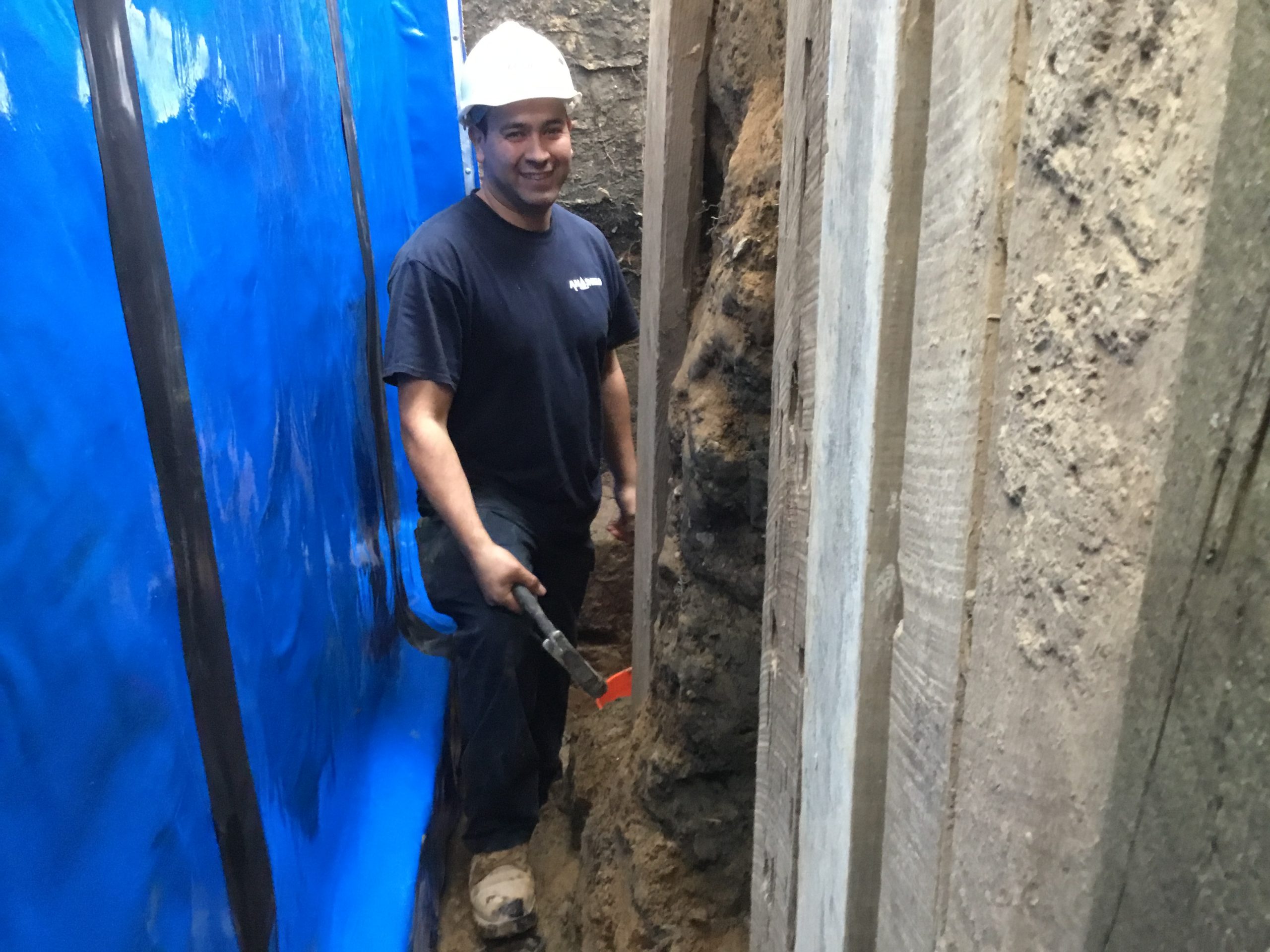
Routine basement inspections emerge as a cornerstone practice in the long-term management of bowed walls, geared towards early detection and prevention of potential issues. By scheduling regular checks, homeowners can swiftly identify signs of stress or minor changes in their basement walls before they escalate into significant foundation problems. This proactive measure allows for immediate corrective action, significantly reducing the risk and cost associated with extensive foundation repair.
Engaging a professional during these inspections guarantees a thorough evaluation of the basement’s condition, ensuring that even subtle shifts in wall alignment or the slightest cracks are expertly assessed. Experts, equipped with detailed knowledge and experience, can offer valuable insights into the health of your foundation, advising on preventive strategies or necessary repairs to avert the progression of bowing. This diligent approach to foundation care plays a pivotal role in maintaining the structural integrity and safety of the property over time.
Maintaining Your Home’s Foundation Health
Maintaining the health of your home’s foundation requires consistent attention and action to guard against the onset of issues like bowing walls. Homeowners play a crucial role in this endeavor, implementing strategies that alleviate pressure and stress on foundation structures, thus preserving the building’s overall stability and integrity.
Ensuring proper water management around the property, from gutter maintenance to landscaping that promotes effective drainage, significantly contributes to foundation health. These measures, coupled with periodic reviews by foundation repair experts, allow for the early identification and rectification of potential problems, maintaining the foundation’s strength against environmental and structural challenges.

A.M. Shield Waterproofing recently awarded the Basement Health Association STAR Award for exceptional customer care for the fifth year in a row. Servicing Long Island, NYC and Westchester with Nationally Certified Waterproofing and Mold Remediation Specialists they are able to provide the highest level of professional solutions. A.M. Shield has the widest range of services available to property owners in the greater New York area utilizing multiple techniques in exterior foundation waterproofing, interior drainage, foundation crack injections and foundation repair solutions,. A.M. Shield™s environmental division will assess the damage, repair the problem and create a healthy environment for property owners who experience mold or moisture problems.
