
A crawl space, often overlooked, acts as the foundation of a dry and stable home. Neglecting its upkeep can lead to a damp basement, weakened cement foundations, and unchecked leaks that spell disaster over time.
Establishing a barrier against crawlspace water keeps the lurking threat of moisture at bay, safeguarding your home’s structural integrity and your peace of mind. Addressing water intrusion early prevents a minor leak from blossoming into a full-blown crisis.
Stay with us to learn the essentials of transforming your crawlspace into a fortress against moisture.
What Is a Crawlspace?
At its most basic, a crawl space functions as a hollow area found beneath some houses, sitting just between the ground and the first floor. It’s designed tall enough for someone to crawl inside, hence the name – but not high enough for standing room. Standard in areas prone to dampness or where construction on a concrete foundation isn’t practical, these spaces often contain plumbing, duct work, and sometimes wiring.

Unfortunately, a crawlspace is particularly vulnerable to water damage because of its proximity to the ground. Humidity enters the area naturally, leading to potential problems. When moisture becomes a regular guest, it can invite trouble for wood structures, turning support beams into feasts for mold and rot, thus jeopardizing the integrity of the entire house.
Ensuring optimal customer service in the face of these moisture issues means addressing crawlspace concerns quickly and effectively. Home service professionals recognize that a dry crawlspace is a cornerstone of a healthy home environment. They often advocate for preventative measures against moisture build-up to safeguard the home’s overall health and durability.
An untouched crawlspace can be a hidden source of health problems, with damp conditions fostering mold and mildew growth which impacts indoor air quality. Timely waterproofing and proper ventilation can help maintain the quality of the home environment, protecting the well-being of its occupants and the longevity of wood materials essential to the home’s structure.
The Consequences of Neglect: Why Waterproofing Matters
The integrity of a home relies significantly on properly managing its lowest layers, where ignoring the threat of moisture invites a host of issues. Without due diligence, water infiltration can swiftly compromise the very foundation of your abode, rendering any warranty on structural components void. It’s a grim outcome, where the initial signs of neglect could quietly culminate in costly damage and repair needs.
Moisture-laden air from a damp crawl space ascends, driven by the stack effect, impacting your home from bottom to top. This upward airflow can transport unwanted humidity into living spaces, cultivating an environment favorable for mold and reduced air quality. A dry, well-maintained crawlspace, conversely, offers resistance to this phenomenon, contributing to a fresher, more stable home environment.
Ensuring a dry crawlspace begins with a thorough crawlspace inspection, a proactive step that can uncover potential issues before they escalate. Professionals scrutinizing these hidden areas may recommend a variety of solutions, such as installing a french drain to help divert water away, thus safeguarding your home’s underbelly from the insidious effects of persistent dampness.
Sealant applications play a pivotal part in erecting a barrier against moisture penetration in crawlspaces. When applied correctly, they seal the porous surfaces that might otherwise breathe in dampness, offering an additional protective layer that can prolong the life of wooden supports and insulation materials. A sealed crawlspace is a foundational move toward ensuring a home stands strong against the infiltrating forces of water.
Signs of a Waterproofing Issue in Your Crawlspace
Peeling paint in the crawlspace might be your first hint that all is not well with moisture levels. Resist the urge to ignore flaking paint; it’s often an indicator that foundation waterproofing measures may need reinforcement.
An increase in energy bills can signal that something is amiss below your feet. Inadequate waterproofing in the crawlspace can lead to excess humidity, which forces your heating and cooling systems to work harder, driving up energy consumption.
Should you notice a musty odor or persistent dampness, these are telltale signs pointing to high levels of humidity in your crawlspace, emphasizing the need for a waterproofing strategy. It’s a silent, yet clear call to action to safeguard your home against the stealthy encroachment of water vapor.
The presence of a sump pump system often underscores a proactive stance on crawlspace moisture control, yet it can also highlight past battles with water intrusion. Regular inspections of the sump pump function are crucial to maintain an effective line of defense against under-house moisture.
How to Properly Waterproof Your Crawlspace
Keeping your home’s foundation dry begins beneath the surface, where the battle against moisture requires a strategic approach.
Crucial to preventing damage from condensation and warding off the musty grasp of mildew is a comprehensive plan that includes a thorough inspection and assessment of your crawlspace.
Targeted action, such as sealing concrete floors and entry points, can block moisture’s access, while a thoughtfully implemented drainage system prevents water accumulation.
Adding crucial crawlspace insulation fortifies this subterranean layer, working hand in hand with proper ventilation to maintain dryness and temperature control.
Safeguarding this area is also vital for protecting electrical wiring from the hazards of damp environments.
Together, these steps forge a resilient barrier, maintaining a dry and healthy living space above.
Inspection and Assessment
An encapsulated crawlspace begins with a detailed inspection to identify any existing moisture issues and assess the overall condition. During this review, specialists evaluate the need for repairs and determine the effectiveness of existing drainage systems to maintain a dry crawlspace.
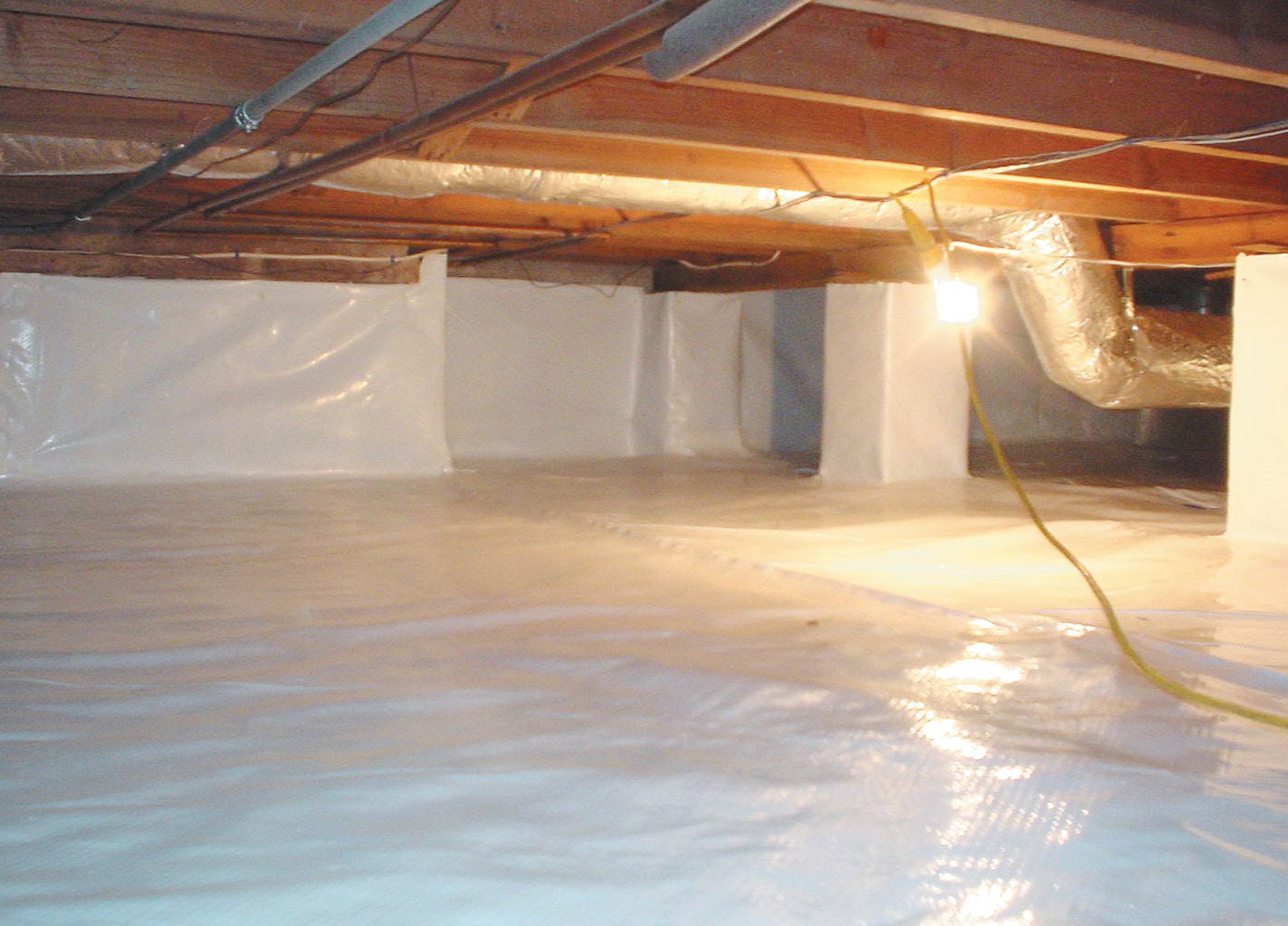
Following thorough assessment, professionals can map out a tailored crawl apace encapsulation strategy. This plan should address any identified weak points where moisture might enter and outline the steps required to install barriers and new drains that support a consistently moisture-free environment.
Sealing Concrete and Entry Points
The effort to keep a crawlspace free from damp issues often involves experts applying advanced sealants to concrete areas and entrances. Spray foam insulation is frequently recommended by specialists as it fills nooks and crannies, creating an impenetrable barrier for water and moisture in these critical zones.
Should the examination of a space hint at foundational weaknesses, immediate foundation repair may be necessary to prevent seepage. After reinforcing these areas, the waterproofing of the crawlspace progresses, ensuring enhanced protection from groundwater and external weather conditions.
Improving Drainage
Enhancing the drainage within a crawlspace is a significant part of any crawlspace waterproofing effort. A tailored solution often involves the installation of a specialized drainage system that directs water away from the foundation, minimizing the risk of water damage and the associated repair costs.
Crawlspace repair professionals might opt for embedding drainage channels into concrete to facilitate effective water movement. This technique ensures that even during heavy rains, water is efficiently channeled away from the home, thereby safeguarding the crawlspace against the potential perils of standing water.
Ventilation and Insulation
Proper ventilation in crawlspace waterproofing cannot be understated, as it is crucial in regulating humidity levels and preventing the accumulation of moisture from the soil. Strategically placed vents help circulate air and create a flow that reduces the likelihood of dampness settling on the floor joists.
Meanwhile, pairing a reliable sump pump system with appropriate insulation provides a robust defense against moisture penetration. Insulation acts as a thermal barrier atop the soil, complementing the sump pump’s role in expelling water away from the foundation and through the downspout, safeguarding your home from beneath.
Maintenance Tips for a Dry Crawl Space
Remaining vigilant with a routine inspection of your crawlspace is key to detecting early warning signs of moisture before they escalate into bigger problems.
Paying special attention to the perimeter of this space can help you spot any accumulation of water or the beginnings of a fungus invasion, both of which can negatively affect the indoor air quality of your home.
In areas with humidity challenges like North Carolina, ensuring that your vents are clear and free of debris is critical, as they play a pivotal role in maintaining a consistent flow of air, warding off excess dampness.
Lastly, the condition of the vapor barrier is integral to moisture control; inspect it regularly and address any tears or defects promptly.
Integrating a dehumidifier into this strategy can provide an additional layer of defense, helping to preserve a dry and comfortable home environment.
Routine Inspection
A regular assessment by a crawlspace contractor serves as the foundation for safeguarding your home’s underbelly from moisture and its consequent troubles. Their expertise aids in early detection of issues, whether it’s a failing pump, the need to repair crawlspace structures, or the onset of mold growth, averting more severe damage and costly fixes down the line.
In addition to combating moisture, crawlspace contractors can test for radon levels, a critical step in radon mitigation to ensure the safety and air quality of your living space. Spotting any anomalies early allows for timely intervention, often preventing exacerbation of the problem and maintaining the structural and environmental health of your home.
Check and Clean Vents
Maintaining clean vents is a pivotal step in ensuring the longevity of home plumbing systems. If vents are blocked with debris, the trapped humidity can cause pipes to deteriorate faster, particularly after heavy rain, when extra moisture is in the air.
During yearly maintenance, it’s advisable to inspect vents for any accumulated plastic or other foreign materials that could restrict airflow. Clean vents contribute to preventing excess dampness from entering the crawlspace and averting potential pipe damage.
Contact the Professionals at A.M. Shield Waterproofing Corp. Today! (516) 294-8400

A.M. Shield Waterproofing recently awarded the Basement Health Association STAR Award for exceptional customer care for the fifth year in a row. Servicing Long Island, NYC and Westchester with Nationally Certified Waterproofing and Mold Remediation Specialists they are able to provide the highest level of professional solutions. A.M. Shield has the widest range of services available to property owners in the greater New York area utilizing multiple techniques in exterior foundation waterproofing, interior drainage, foundation crack injections and foundation repair solutions,. A.M. Shield™s environmental division will assess the damage, repair the problem and create a healthy environment for property owners who experience mold or moisture problems.
