
Are you dealing with damp foundations and mounting repair expenses because of outdated waterproofing methods? This post presents eco-friendly solutions that cover innovative materials, modern construction techniques, and practical maintenance strategies. We detail how the proper use of a fastener, robust steel supports, and a correctly installed downspout can play a major role in protecting foundation insulation. You will find clear steps to reduce moisture damage and lower long-term costs.
Understanding Eco-Friendly Waterproofing Methods
This section examines traditional waterproofing techniques while evaluating eco-friendly alternatives for foundation protection. Topics include methods that reduce infiltration and liquid seepage, maintenance using quality waterproofing membranes, and improved drainage. It clarifies myths about eco-friendly solutions and highlights the benefits of sustainable practices.
Examining Traditional Waterproofing Techniques
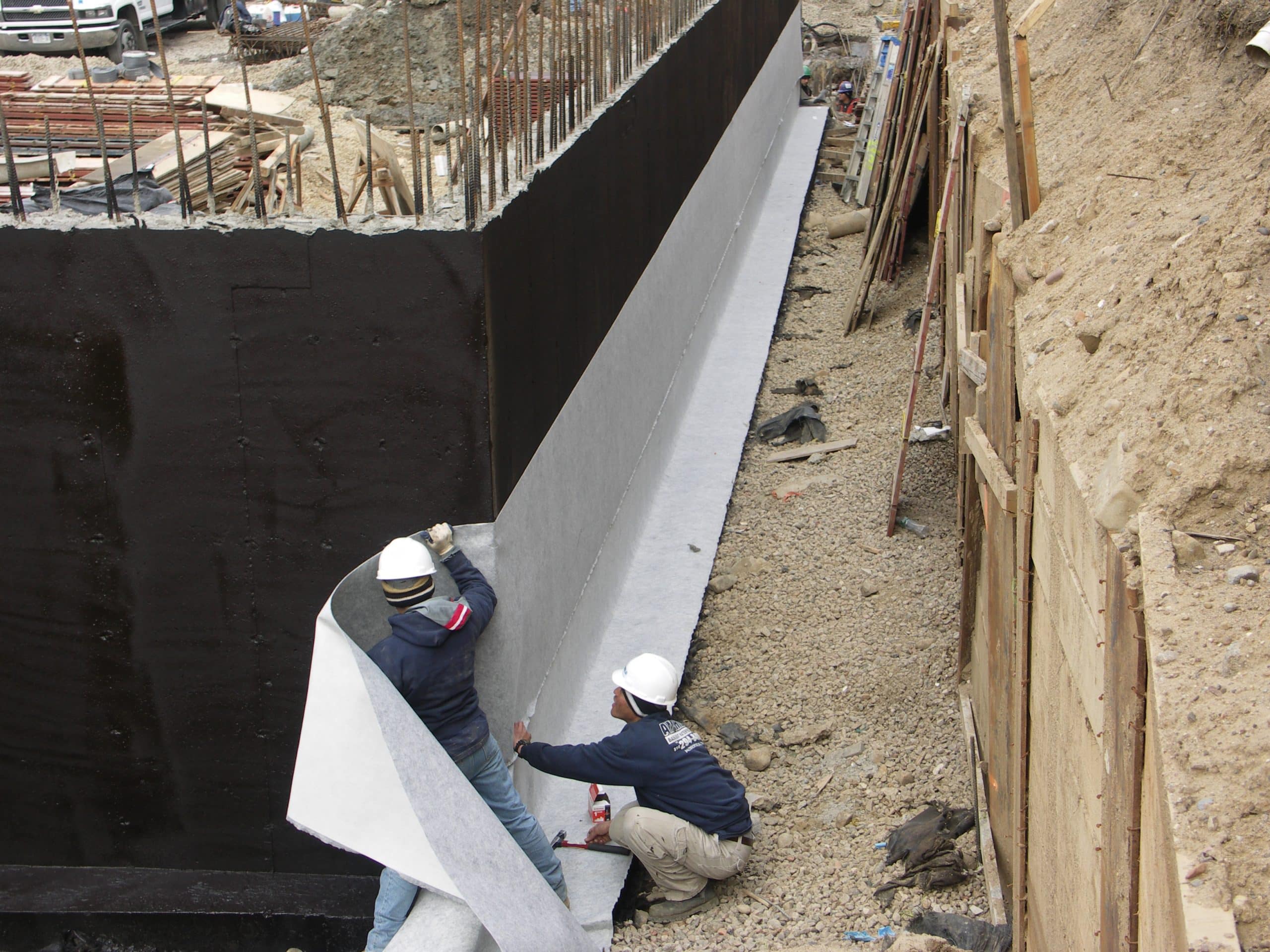
Traditional waterproofing techniques in construction rely on heavy membranes and cement-based barriers to prevent water penetration. Skilled professionals sometimes apply foam to seal gaps in the structure, yet improper installation can increase the risk of mold.
Experts in the field maintain that these established methods deliver reliable moisture protection when executed correctly. They recommend regular inspections to ensure that foam and heavy materials continue to function effectively without exposing the foundation to any mold risk.
Evaluating Eco-Friendly Alternatives
Eco-friendly waterproofing methods integrate recycled polystyrene with modern flashing techniques to manage moisture at the foundation. Field experts note that this approach effectively keeps the floor dry by minimizing debris accumulation and reducing water seepage.
Recent testing shows that sustainable flashing systems paired with treated polystyrene provide consistent moisture control. Specialists recommend these alternatives for maintaining a secure floor environment and limiting debris-induced challenges in foundation protection.
Benefits of Sustainable Waterproofing Practices
Sustainable waterproofing practices offer reliable protection using eco-friendly materials that serve as an effective solution for foundation safety. The method combines a natural mastic with a carefully applied strip along walls to form a durable vapor barrier that minimizes water intrusion.
Industry professionals report that these practices lower long-term repair costs while addressing environmental concerns. They rely on proven systems where premium mastic and a continuous strip secure a strong vapor barrier along walls, ensuring resilient foundation performance.
Myths Surrounding Eco-Friendly Solutions
Critics claim that sustainable waterproofing methods offer less security to foundations than conventional techniques. Still, seasoned professionals confirm that materials like polyisocyanurate paired with effective adhesive provide robust moisture resistance along the perimeter of the foundation.
A frequent misunderstanding involves the belief that eco-friendly systems fail to maintain durability and moisture control over time. On-site evaluations show that composite approaches using quality adhesive and polyisocyanurate along a sealed perimeter yield reliable, long-term protection for foundations.
Innovative Materials in Foundation Protection
Natural waterproofing membranes form one focus, accompanied by reviews of bio-based sealants and recycled materials in masonry applications that guard the foundation wall from mildew. Data supports evaluations of performance and longevity in green building, offering practical insights for sustainable foundation protection.
Natural Options for Waterproofing Membranes
Natural waterproofing membranes derived from plant-based materials offer a flexible barrier that prevents water penetration and controls condensation. They have been tested in environments where moisture carried by soil might weaken foundation integrity, ensuring that water channels remain unblocked while providing a reliable defense against radon infiltration.
Research posted on a reputable website confirms that these membranes perform well under varied environmental pressures and maintain effective moisture management by reducing condensation buildup. Field assessments in locations with challenging soil conditions show that the system actively prevents water paths from being blocked and helps reduce radon migration, strengthening overall foundation safety.
Bio-Based Sealants and Their Effectiveness
Industry professionals acknowledge that bio-based sealants provide excellent moisture control, especially when compared with conventional plastic products. Certain formulations incorporate a measured amount of copper to improve resistance against microbial decay that can lead to foundation damage. Their use also eases the reliance on sump pump systems, helping to maintain dry conditions on the ceiling and other critical areas.
Field evaluations reveal that these sealants perform reliably under various weather conditions, offering a straightforward alternative for consistent waterproofing. Experts report that regular application leads to decreased maintenance needs and a robust barrier against water intrusion, ultimately protecting building structures from potential foundation damage.
The Role of Recycled Materials in Foundation Protection
Recycled materials provide a strong basis for forming durable membrane systems that resist water intrusion in foundation structures. Experts combine these components with eco-friendly cement to create a resilient sealant, and performance test results documented in a safety data sheet confirm that these formulations enable reliable moisture control.
Field evaluations indicate that incorporating recycled inputs helps reduce repair costs while boosting overall foundation protection. Engineers apply these green materials in both membrane and sealant applications that enable improved water resistance, with safety data sheet information guiding proper cement utilization.
Evaluating Performance and Longevity of Green Materials
Recent evaluations indicate that green materials hold strong over time when applied with modern techniques, with polymer-based primers ensuring reliable adhesion and robust protection. Observations from projects incorporating a french drain and basement waterproofing confirm that these eco-friendly methods consistently regulate moisture even in demanding conditions.
Field tests reveal that integrating sustainable primers with polymer treatments and sump installations produces enduring performance in wet areas. Industry experts report that these environmentally friendly practices lower maintenance needs while offering lasting safeguards for foundation integrity.
Building Techniques for Sustainable Foundation Protection
This section covers integrating drainage systems with eco-friendly practices, water management using native plants, and sustainable design for foundation walls. It discusses methods that coat surfaces to block water vapor and prevent leak issues. Case studies illustrate successful projects and provide practical insights into eco-friendly foundation protection.
Integrating Drainage Systems With Eco-Friendly Practices
Building experts integrate smart drainage systems that efficiently drive water away from structures by guiding excess moisture out of the crawl space. They use stucco finishes alongside dehumidifiers to support waterproofing efforts and reinforce practical foundation waterproofing measures.
Engineers design drainage networks that swiftly remove surface water, reducing dampness around critical building areas. Field assessments show that combining stucco applications with dehumidifier installation and reliable waterproofing techniques yields effective foundation waterproofing and maintains a dry crawl space.
Utilizing Vegetation for Natural Water Management
Engineers design projects where carefully selected vegetation absorbs runoff and guides water away from foundation walls, reducing strain on pump systems and preventing basement moisture buildup. This natural technique offers a practical method to manage water flow without over-reliance on mechanical support.
Landscape experts observe that planting near structures improves the effectiveness of waterproof coatings on roofs while complementing fiberglass reinforcement used in building exteriors. Field evaluations indicate that combining these green practices with modern building materials protects critical areas from water ingress consistently.
Designing Foundations With Sustainability in Mind
Engineers develop foundation systems by incorporating sustainable materials such as rubber and polyethylene. They rely on these components to form a robust barrier that withstands heavy rain and deters insect infiltration.
Specialists apply eco-friendly paint coatings to foundation surfaces as an extra layer of defense against moisture and external damage. Field assessments reveal that smart construction techniques not only lower repair expenses but also promote environmentally responsible practices.
Case Studies of Successful Eco-Friendly Projects
A notable project used a dimple mat system along with plywood installed beneath a sturdy framing structure to form a resilient barrier against moisture. A thorough inspection confirmed that each pipe was securely integrated, resulting in strong foundation protection.
Another project showcased sustainable waterproofing by combining precision framing with well-positioned plywood elements that support reliable pipe placement. Experts performed routine inspection of the dimple mat installation to ensure that every component worked together to block water intrusion effectively.
Maintenance Strategies for Eco-Friendly Foundations
This section outlines essential upkeep routines that extend the life of eco-friendly waterproofing systems. It reviews seasonal shifts, identifies common issues resolved by eco-conscious repairs—including use of acrylic paint and metal inspections—and highlights eco-friendly products that simplify foundation repair installation, helping to reduce water damage.
Regular Upkeep Routines for Enhanced Longevity
Routine inspections support the longevity of eco-friendly waterproofing systems by ensuring that drainage systems work efficiently and potential issues are caught early. Professionals check that mortar remains secure, wood components stay intact, and all repairs align with current building code requirements to help prevent foundation problems.
Experts recommend scheduled evaluations that address minor wear before it escalates into costly repairs. They assess drainage systems, review the condition of mortar joints, and inspect wood elements against building code standards, effectively keeping foundation problems at bay.
Assessing the Impact of Seasonal Changes on Waterproofing
Experts observe that seasonal temperature swings stress concrete foundations as variations in heat and cold trigger expansion and contraction. Field assessments show that shifts in moisture and sand accumulation challenge the drainage system, leading to increased energy requirements for upkeep.
Regular evaluations confirm that autumn rains and winter freezes test the efficacy of eco-friendly waterproofing methods on concrete structures. These reviews indicate that a robust drainage system works efficiently even when sand and environmental fluctuations alter energy consumption during maintenance.
Identifying Common Issues and Eco-Conscious Repairs
The maintenance team observes that small breaches in eco-friendly waterproofing systems allow water to enter the foundation, causing damage that sometimes leads to pest issues. An expert inspection often verifies that the product warranty covers repairs using eco-conscious methods to correct minor faults early.
Contractors report that early signs of wear, like weakened sealants, permit water intrusion and create potential damage, attracting pest activity. They recommend immediate eco-conscious repairs guided by expert evaluations to maintain the warranty and secure the foundation’s integrity.
Eco-Friendly Products for Maintenance and Care
Innovative products in eco-friendly maintenance assist professionals in managing groundwater and safeguarding building structures. Experts use high-performance wall sealants and durable repair compounds that deter termite activity, ensuring that even small breaches do not compromise foundation integrity.
Field trials reveal that these eco-friendly solutions simplify regular maintenance tasks while effectively protecting building components. Industry specialists report that using quality repair materials on vulnerable wall areas minimizes groundwater seepage and prevents termite entry, leading to long-lasting foundation stability.
Regulatory Standards and Certifications
Local guidelines for waterproofing set a base for effective system protection and flood prevention. Certifications verify eco-friendly products, while sustainable building codes support the root of foundation projects. Experts recommend reviewing standards and managing compliance to ensure each system maintains reliable water protection and long-term performance.
Understanding Local Guidelines for Waterproofing
Local guidelines for waterproofing set standards that require proper installation to control moisture and manage water pressure effectively. Regulators insist on using proven eco-friendly methods so that structures can handle varying conditions while meeting safety and durability criteria.
Building professionals rely on these rules to verify that waterproofing materials are applied properly and can resist the pressure from water accumulation. Practical examples show that following these standards minimizes repair needs and safeguards foundation integrity over time.
Certifications to Look for in Eco-Friendly Products
Certifications from reputable agencies serve as reliable indicators of environmental compliance and product performance in eco-friendly waterproofing. Independent testing confirms that such certified products effectively guard against moisture intrusion while meeting strict safety and sustainability standards for foundation protection.
Regulatory bodies and industry experts endorse eco-friendly products that carry well-established certification marks to meet regional building specifications. These accredited solutions help property owners secure long-lasting foundation stability and reduce unforeseen repair challenges in diverse weather conditions.
The Importance of Sustainable Building Codes
Sustainable building codes set clear guidelines for eco-friendly waterproofing that keeps moisture away from foundation structures. They require precise installation procedures that support long-lasting water control while reducing repair needs on building sites.
Regulatory standards ensure that construction teams use high-grade materials and verified techniques to achieve solid foundation protection. These codes offer practical measures that help builders maintain secure structures and lower repair expenses over time.
Navigating Compliance for Foundation Projects
Compliance with local building codes provides a reliable framework for foundation projects using eco-friendly waterproofing methods. Industry professionals report that early coordination with building inspectors and a careful examination of product certifications ensure proper installation and effective moisture control.
Practical experience shows that open communication with regulatory bodies and regular system assessments prevent project delays while reducing non-compliance issues. Project teams benefit from structured audits and expert advice that confirm waterproofing components meet current standards and consistently protect the foundation.
Cost Analysis of Eco-Friendly Waterproofing Solutions
This section reviews eco-friendly waterproofing systems with a spotlight on initial investments and long-term savings. It discusses the value of sustainable materials, financial incentives for green building, and cost comparisons with conventional methods, offering practical insights for effective foundation protection.
Initial Investment Versus Long-Term Savings
Industry experts note that eco-friendly waterproofing solutions require a higher upfront cost than traditional construction methods. Validation from field studies shows that investing in sustainable waterproofing leads to reduced maintenance and lower repair expenses over time.
Cost analysis confirms that initial expenditures on these advanced systems are offset by long-term savings in operational expenses. Evaluations from real-world projects demonstrate that the long-term benefits outweigh the initial investment, ensuring reliable foundation protection for years.
Evaluating the Value of Sustainable Materials

Industry professionals assert that sustainable materials support reliable performance in eco-friendly waterproofing systems while providing robust foundation protection. Field evaluations show that using recycled inputs in waterproofing lowers repair needs and reduces maintenance expenses, offering tangible cost benefits over time.
Independent research confirms that an initial investment in sustainable materials translates into consistent savings through improved durability and effective moisture control. Construction experts observe that eco-friendly waterproofing products deliver dependable protection and simplify long-term upkeep in foundation projects.
Financial Incentives for Green Building Practices
Financial incentives encourage the adoption of green building practices by reducing the cost gap associated with sustainable waterproofing systems for foundation protection. Local programs and state-backed initiatives offer tax credits and low-interest financing that help balance higher upfront expenses with benefits observed in long-term performance and durability.
Industry professionals observe that these financial supports promote the broader use of recycled materials and natural sealants in eco-friendly waterproofing projects. Such backing aids builders in selecting high-performing products that effectively control moisture while minimizing future repair expenses and meeting current regulatory standards.
Comparing Costs With Traditional Waterproofing Methods
Comparing costs between eco-friendly waterproofing methods and traditional techniques shows that the initial expenditure for sustainable solutions may be higher while long-term savings become apparent over several years. Field data from multiple foundation projects confirms that using recycled materials and natural sealants reduces repair frequency and lowers overall maintenance expenses.
Traditional waterproofing, which relies on cement-based barriers and heavy membranes, often incurs higher upkeep and recurring repair costs. Analysis of project records demonstrates that green waterproofing alternatives provide effective moisture control while easing long-term financial management for foundation protection.
Sustainable Waterproofing for Long-Term Foundation ProtectionConclusion
Eco-friendly waterproofing methods safeguard building foundations by reducing water infiltration and preserving structural integrity. Experts incorporate recycled materials, natural membranes, and bio-based sealants to establish strong barriers against moisture. Field assessments confirm that these approaches lower maintenance needs and cut long-term repair expenses. Property owners and construction teams benefit from systems that offer reliable performance while meeting sustainable building regulations.

A.M. Shield Waterproofing recently awarded the Basement Health Association STAR Award for exceptional customer care for the fifth year in a row. Servicing Long Island, NYC and Westchester with Nationally Certified Waterproofing and Mold Remediation Specialists they are able to provide the highest level of professional solutions. A.M. Shield has the widest range of services available to property owners in the greater New York area utilizing multiple techniques in exterior foundation waterproofing, interior drainage, foundation crack injections and foundation repair solutions,. A.M. Shield™s environmental division will assess the damage, repair the problem and create a healthy environment for property owners who experience mold or moisture problems.
