
Discovering cracks in your foundation can be unsettling, evoking concerns about structural security and the integrity of your home.
Deciphering the nature of these blemishes, from hairline fissures in the concrete to alarming horizontal cracks, is crucial for any homeowner.
Understanding the root causes, ranging from soil compaction and moisture to frost heave, equips you with the knowledge to tackle these issues head-on.
Equally important is discerning the appropriate repair strategies to ensure long-lasting solutions, whether it involves sealing with epoxy, employing structural piers, or engaging in more extensive remediation efforts.
Keep reading to navigate the complexities of foundation crack repair, from identifying the type and causes to exploring repair costs and prevention tactics.
Understanding Foundation Crack Types and Their Implications
Delving into the realm of foundation crack repair opens a Pandora’s box of questions and concerns.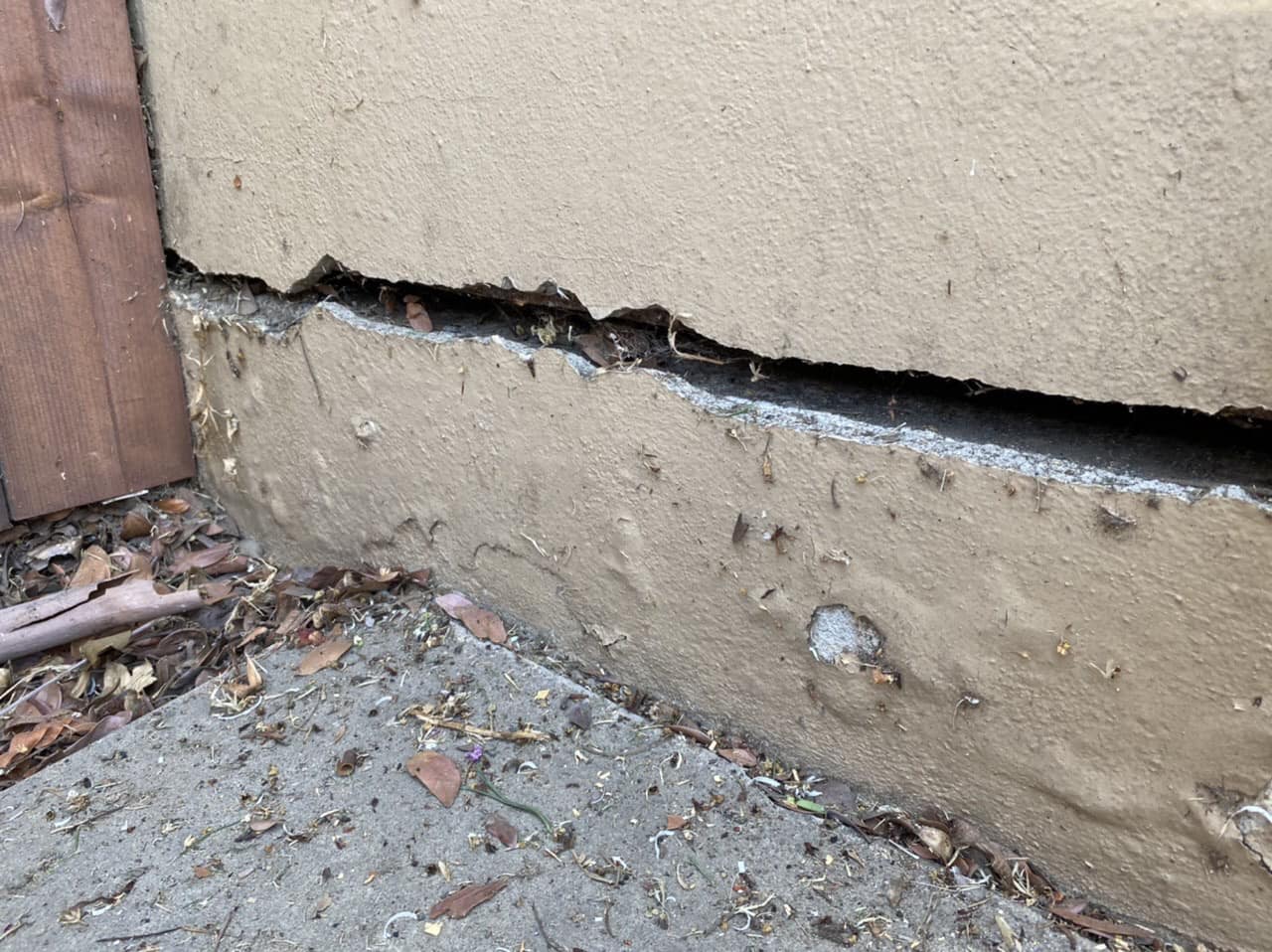
Yet, understanding the nuances of different crack types sheds light on their implications, guiding homeowners toward effective solutions.
Foundation cracks vary widely, from the threatening horizontal cracks that signal serious structural issues to the often innocuous hairline cracks that may merely be a cosmetic concern.
Identifying the nature of these fissures, including stair step cracks in masonry, vertical fissures in concrete foundations, diagonal disruptions, and the typical shrinkage cracks, is the first step in crafting a targeted repair strategy.
Each type carries its distinct causes and risks, highlighting the importance of a well-informed approach to foundation maintenance and repair.
Identifying Horizontal Cracks and Their Risks
Horizontal cracks in foundation walls present a significant concern, indicating a considerable pressure from the outside environment. This pressure often originates from waterlogged soil or frost heaving, exerting stress against the foundation and leading to structural vulnerabilities. Recognizing these cracks early could be crucial in preventing potential safety hazards and costly damage.
Faced with the risk of horizontal fractures, homeowners must prioritize professional assessment and repair. Engaging a structural engineer or an expert in foundational issues ensures accurate diagnosis and the application of suitable repair methods, such as epoxy injections or the installation of piers, to stabilize the affected area. Addressing these cracks promptly can help maintain the structural integrity and security of the home.
Recognizing Stair Step Cracks in Masonry Walls
Stair step cracks in masonry walls are a common sight, especially in older homes where the settling of soil and subsequent soil compaction can lead to uneven pressure on the foundation. These cracks typically follow the mortar joints in a zigzag pattern, resembling the steps of a staircase. While they might not always signify a structural emergency, their presence warrants a thorough examination to determine the underlying cause.
A professional foundation expert can distinguish between superficial stair step cracking caused by natural settling and cracks that indicate more severe foundation problems. By examining the length, width, and direction of these disruptions, professionals can advise on whether simple sealant applications or more extensive interventions like underpinning with piers or injections of polyurethane foam are necessary for effective repair. Their assessment ensures a precise approach to preserving both the aesthetic and structural integrity of the home.
Deciphering Hairline Cracks: Harmless or a Warning?
Deciphering hairline cracks in a home’s foundation often leans towards a detective’s work, where subtlety hints at larger narratives. While these minute fissures might appear benign, easily dismissed as cosmetic flaws due to concrete’s natural settling or contraction, they could be early signs of moisture intrusion or changes in soil conditions beneath the concrete slab. Such nuances in crack appearance demand close observation, distinguishing between benign anomalies and potential red flags that warrant further inspection.
Spotting a hairline crack does not immediately signal a need for alarm, yet it beckons a cautious approach to home maintenance. Regular monitoring of these cracks for changes in width or length becomes essential, as these transformations might indicate ongoing stress within the foundation. Acting upon these observations promptly, ideally by consulting with a structural engineer or a foundation repair expert, can circumvent the escalation of minor cracks into major foundational issues, safeguarding the home’s structural integrity and ensuring peace of mind for homeowners.
The Meaning Behind Vertical Foundation Cracks
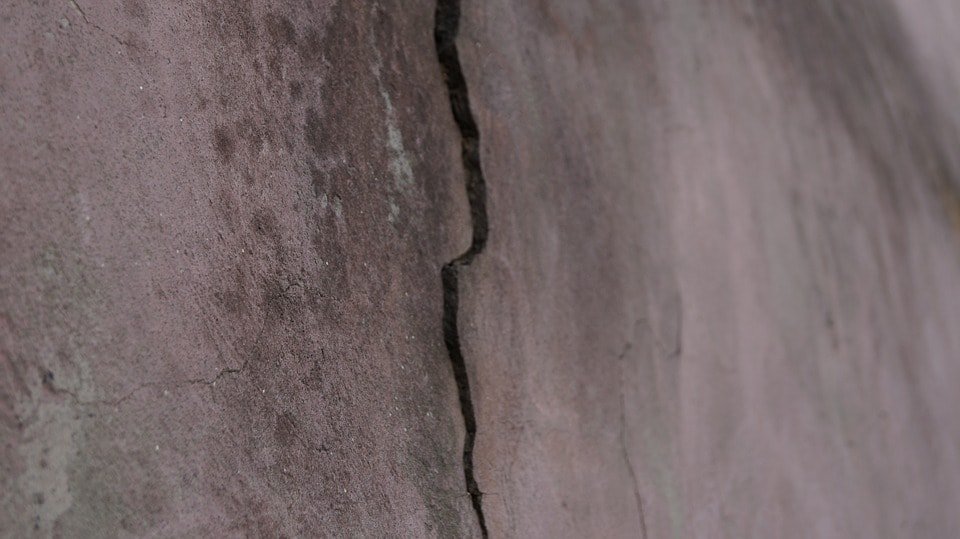
Vertical foundation cracks often emerge as straightforward lines running up and down on both concrete block and poured concrete foundation walls. These fissures typically result from the natural curing process of concrete or slight settling of the foundation, usually regarded as less ominous compared to horizontal cracks. However, they still merit careful evaluation to rule out any potential for water intrusion or more serious structural compromise.
Addressing vertical cracks promptly with the right repair techniques, such as the application of epoxy or polyurethane injections, helps to restore the wall’s integrity and prevent water from seeping through. This not only fortifies the foundation against further damage but also secures the basement against moisture, thereby protecting the living space above from possible repercussions. Ensuring a waterproof seal keeps the home dry and reinforces its overall stability.
Diagnosing Diagonal Cracks and Their Causes
Diagonal cracks often pose a puzzling scenario for homeowners, originating from a mixture of factors such as uneven soil pressure or thermal movement. These fissures typically cut across foundation walls at sharp angles, pointing to differential settling of the house’s corners or expansion and contraction of the soil that cradles the foundation.
Understanding the root of diagonal cracks is essential, as they can signal varying degrees of stress within the structure. A professional’s insight becomes invaluable here, employing their expertise to trace these irregular patterns back to their origins, whether it be shifts in the earth or a compromised drainage system affecting soil compaction and moisture levels around the foundation.
Shrinkage Cracks: A Common Phenomenon
Shrinkage cracks stand out as prevalent issues within concrete foundations, manifesting primarily as the material undergoes drying and curing processes post-installation. This phenomenon leads to a reduction in volume, forming hairline fissures that are usually not indicative of severe structural concerns but should not be ignored due to their potential for allowing moisture ingress.
Initiating timely repairs on shrinkage cracks involves utilizing sealants or epoxy injections that infuse the cracks with a durable filler, thereby arresting further progress and mitigating water penetration risks. Addressing these cracks at their onset ensures the long-term durability of the foundation while maintaining the home’s defense against unwanted water damage.
The Different Foundations and Their Crack Vulnerabilities
Exploring the landscape of foundation crack repair demands a deep dive into various foundation types, each presenting their own set of crack vulnerabilities.
Basement walls, for example, showcase specific crack patterns that reflect underlying issues such as water pressure or soil movement.
Crawl space foundations, while less visible, are not immune to problems, often experiencing cracks that signal moisture problems or structural shifts.
The realm of concrete slabs also reveals intricacies, with slab-on-grade foundations and slab-on-stem walls each reacting differently to environmental and structural stressors, resulting in distinct crack formations.
This exploration seeks to identify and understand these diverse crack patterns, offering insights into the nuanced challenges faced by different foundation types.
Basement Walls and Their Crack Patterns
Basement walls bear the brunt of environmental pressures, showcasing crack patterns that dramatically underscore the interplay between soil dynamics and structural load. Among these manifestations, vertical foundation cracks often indicate a natural settling process, whereas more ominous signals like horizontal fissures suggest an external force weighing heavily against the structural integrity of the basement.
Diagonal cracks slicing through basement walls unveil tales of uneven soil settlement or the impact of thermal stress, guiding homeowners towards the underlying issues that compromise their foundation’s security. These patterns, specific to basements, demand keen observation and prompt intervention to avert substantial foundation compromise.
Crawl Space Foundations: Issues and Cracks
Crawl space foundations, often hidden from view, are not exempt from the array of issues that plague their more visible counterparts. The concealed nature of these spaces can exacerbate foundation problems, as cracks may go unnoticed for longer periods, allowing issues such as moisture penetration and soil shifting to worsen over time.
Cracks within crawl space foundations frequently signal underlying moisture or structural concerns, presenting unique challenges for homeowners. These fissures can originate from external pressures like soil expansion or contraction, leading to significant repair needs if not addressed promptly by professionals familiar with the complexities of foundation maintenance.
Understanding Cracks in Concrete Slab-on-Grade
Concrete slab-on-grade foundations are susceptible to a range of crack formations, primarily due to the expansive or contracting nature of the soil beneath. These shifts in the ground can exert uneven pressure on the slab, leading to fissures that, while often hairline in appearance, can widen over time if the underlying issues aren’t addressed.
Repair strategies for cracks in slab-on-grade foundations typically involve the injection of epoxy or polyurethane foam, materials chosen for their durability and ability to adhere to concrete while filling the voids completely. This not only restores the foundation’s integrity but also acts as a barrier against moisture, preventing water infiltration that could exacerbate the problem.
Identifying Cracks in Concrete Slab-on-Stem Walls
Concrete slab-on-stem walls, a critical component for ensuring the structural firmness of a building, are not immune to developing cracks over time. These cracks can arise due to several factors, including environmental stressors or shifts in the underlying soil, making vigilant inspection a necessity for homeowners.
Identifying cracks early in concrete slab-on-stem walls plays a pivotal role in maintaining foundation health. Through close examination, one can determine the severity and potential causes of these cracks, enabling timely intervention with appropriate repair solutions to prevent further damage.
DIY vs. Professional Foundation Crack Repair
When faced with the daunting vista of foundation crack repair, homeowners often find themselves at a crossroads between undertaking repairs themselves or calling in professionals.
The crux of the matter lies in evaluating the extent and nature of the cracks—factors that dictate whether a DIY approach can suffice or if the problem necessitates professional intervention.
This segment delves into when it’s feasible for homeowners to apply a do-it-yourself fix for minor cracks, contrasting with scenarios that call for the expertise and precision of professional foundation repair services.
When DIY Repairs Are Adequate
DIY repairs are often sufficient for minor, superficial cracks that do not compromise the structural integrity of a foundation. These are typically hairline cracks or small, non-structural fissures that appear in concrete and do not signify deeper foundation issues.
Applying a waterproof sealer or using a concrete crack filler available in cartridges are effective DIY methods for these types of repairs. Homeowners can easily find these materials at home improvement stores and follow manufacturer instructions to seal minor cracks, preventing moisture intrusion and further damage.
Identifying the Need for Professional Intervention
Identifying the need for professional intervention comes into play when foundation cracks suggest underlying structural issues. If cracks widen, run deep, or allow water ingress, these signs point towards the necessity of expert evaluation and repair. A professional foundation repair service can accurately diagnose the root cause and implement a solution that ensures long-term stability and safety.
Moreover, when foundation cracks appear in patterns, such as horizontal lines or stair-step configurations in masonry, the expertise of a structural engineer or a professional foundation repair technician becomes indispensable. Their insights can identify potential risks and provide a comprehensive repair plan that appropriately addresses the structural integrity of your home.
FAQs on Foundation Crack Repair
Navigating the complexities of foundation crack repair raises numerous questions for homeowners, touching on whether minor cracks necessitate immediate action, the longevity of repair solutions, the role of insurance in mitigating costs, and the process of selecting a trustworthy service provider.
Addressing these queries is essential, as it equips property owners with the knowledge to make informed decisions about preserving the structural integrity of their homes, ensuring safety, and optimizing financial investments in repair efforts.
Can Small Foundation Cracks Be Ignored?
Overlooking small foundation cracks might seem tempting, especially when they appear insignificant at first glance. However, even the most minor fissures can evolve into serious issues, as they may signal early signs of underlying structural stress or moisture ingress that could lead to more extensive damage over time.
Acting upon small foundation cracks with due diligence not only safeguards the home against potential structural instability but also prevents the escalation of repair costs. A careful examination by a professional can help determine if these cracks are merely superficial or if they warrant a more thorough intervention to maintain the home’s integrity and value.
How Long Does Foundation Repair Last?
The longevity of foundation crack repair can significantly vary, largely depending on the repair methods employed and the original cause of the cracks. Generally, methods like epoxy and polyurethane foam injections offer durable solutions, potentially lasting for decades if conditions remain stable.
However, it’s crucial to note that the effectiveness of repairs also hinges on addressing the root problems. For example, correcting issues like improper soil compaction or poor drainage around the foundation ensures that the repair lasts longer by mitigating the risk of future cracks.
Is Foundation Crack Repair Covered by Insurance?
The question of whether foundation crack repair is covered by insurance depends largely on the homeowner’s insurance policy and the cause of the foundation damage. Most standard insurance policies do not cover repairs for damage resulting from normal wear and tear or gradual deterioration, such as natural settling or soil movement under the foundation.
However, if the foundation damage is the direct result of a covered peril, such as a plumbing leak or an insured disaster like a flood or earthquake (assuming specific coverage for these events is included), then the insurance may cover the repair costs. Homeowners should carefully review their policies and consult with their insurance provider to understand the specifics of what their policy covers in relation to foundation crack repair.
Finding Reliable Foundation Repair Services
Finding reliable foundation repair services begins with thorough research and vetting potential contractors for their experience, certifications, and reputation. Homeowners should seek out professionals who specialize in foundation issues, ensuring they have the qualifications and positive reviews from previous clients that speak to their expertise and reliability.
Asking for detailed quotes and comparing services among competing foundation repair companies can also guide homeowners to make informed decisions. It’s important to ensure the chosen company provides a comprehensive assessment of the foundation problems and offers a clear plan of action, backed by a warranty for their work to guarantee long-term peace of mind.

A.M. Shield Waterproofing recently awarded the Basement Health Association STAR Award for exceptional customer care for the fifth year in a row. Servicing Long Island, NYC and Westchester with Nationally Certified Waterproofing and Mold Remediation Specialists they are able to provide the highest level of professional solutions. A.M. Shield has the widest range of services available to property owners in the greater New York area utilizing multiple techniques in exterior foundation waterproofing, interior drainage, foundation crack injections and foundation repair solutions,. A.M. Shield™s environmental division will assess the damage, repair the problem and create a healthy environment for property owners who experience mold or moisture problems.
