
Excess water pooling around a foundation spells trouble, threatening not just the structural integrity but also the health of surrounding landscapes. Without proper management, stagnant moisture can lead to undesirable outcomes like root rot and a compromised lawn, ruining both curb appeal and building stability. Integrating a dry well or similar system ensures a safeguard against these risks, guiding water away effectively before it can do harm. In this piece, we delve into various strategies that not only preserve your foundation but also boost the overall ecosystem of your yard. Keep reading to equip yourself with the knowledge to maintain a robust, well-drained environment.
Understanding the Importance of Proper Drainage for Foundation Health
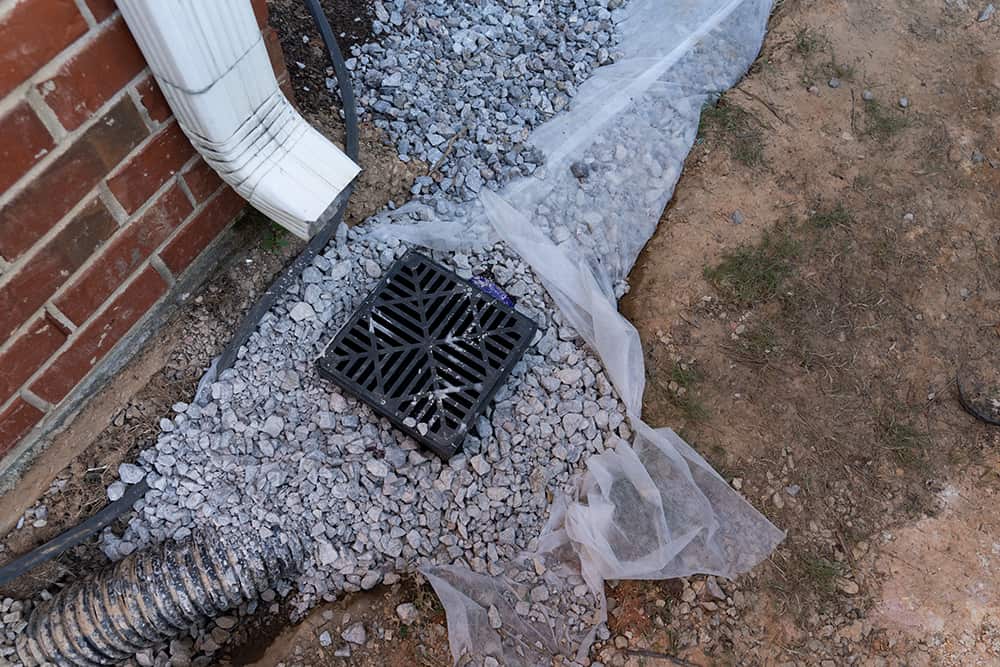 Proper drainage stands as a shield, guarding the structural integrity of a property. Excessive moisture, without a clear escape route, lays the groundwork for a host of drainage issues that can compromise a foundation. From sophisticated systems involving pumps to simple slope adjustments, various drainage solutions exist to protect homes from the insidious creep of water damage. Understanding these systems is pivotal, as is recognizing the warning signs of failure, which range from pooling water to the subtle emergence of mildew. As homeowners survey the landscape of their property, it becomes clear that the health of their foundation is inextricably linked to the performance of their drainage strategy, whether it be below ground pipes or surface hardscape modifications.
The Role of Drainage in Preventing Foundation Damage
Securing the expertise of a general contractor with deep knowledge in drainage systems forms the first line of defense against potential foundation damage. Their insights help pinpoint vulnerabilities, ensuring furniture and valued possessions remain unthreatened by underlying drainage problems.
Ignoring signs of drainage issues elevates the risk of foundation compromise, which can escalate into costly repairs. Timely recognition and rectification, guided by professional advice, are key to averting the progressive damage that unchecked moisture can inflict upon a home’s foundation.
Different Types of Drainage Systems Explained
Foundation drainage systems come in several variations and selecting the right one often hinges on the specific challenges a basement might face. In areas where the soil has a heavy sand composition, French drains are frequently utilized to redirect water away from foundation walls, ensuring that moisture does not compromise the structural integrity.
On the other hand, sump pumps target accumulating water directly within the basement, activating to evacuate water to an appropriate waste area, thus preventing both structural damage and the potentially hazardous attraction of pests. A carefully designed sump pump system is integral to maintaining a dry and secure foundation in environments where water infiltration is a recurring concern.
The Signs of Poor Drainage Around Your Home
Cracks snaking through walls and the unsettling presence of puddles where none should be suggest drainage woes have taken root, often a byproduct of mismanaged storm drain installation during construction. Such clues necessitate a prompt review of exterior drainage provisions, ensuring that runoff is expertly steered away from the home’s foundation.
Gardens sodden with excess water hint at an overburdened or poorly planned irrigation system, allowing for the unwanted accumulation of organic matter against the foundation. Homeowners versed in the telltales of drainage distress recognize these soggy patches as a call to revise their landscape’s water diversion tactics, often entwining solutions with JavaScript-powered smart home technologies for optimal moisture management.
The Benefits of Investing in Effective Drainage Systems
Investing in an optimally functioning drainage system, whether that’s installing a robust french drain network or fitting a reliable sump pump, plays a pivotal role in maintaining the structural soundness of a foundation. As drainage channels, pipes, and surface considerations actively prevent water from lingering near the base of a home, they significantly extend the life expectancy of foundational elements. The foresight to tackle moisture management proactively translates into significant cost savings by sidestepping the need for major remediations down the line – a benefit homeowners can bank on. Beyond these immediate benefits to the property, the integration of drainage systems into gardens and patios is increasingly recognized for contributing to environmental conservation efforts, reducing runoff and promoting sustainable water usage practices.
How Proper Drainage Extends the Lifespan of Your Foundation
A trench drain acts as a peripheral guard, encircling a foundation to ensure water is channeled away efficiently. This type of drainage system minimizes the risk of water-induced damage that can erode the foundation over time, directly enabling longevity and structural stability.
With the proper drainage system in place, foundations are less susceptible to the common issues such as cracking, settling, or shifting that result from water logging. Proactive water management reduces the need for repairs, thus enhancing the overall lifespan of the foundation by defending it from the relentless stress of moisture penetration.
Cost Savings Associated With Preventive Drainage Solutions
Installing a robust drainage system offers financial relief by reducing the need for costly emergency interventions that may arise from a neglected foundation. Strategic grading and other soil structure enhancements can discourage soil erosion and diminish the pressure on the foundation, thereby avoiding the expense of repairing foundational cracks or a compromised tank.
Avoiding future hazards, such as foundation failure due to water damage, is less costly than the substantial funds necessary for rectifying such issues. Early investment in effective drainage solutions, like precise control over water flow around the foundation, minimizes long-term expenditures and shields owners against unexpected financial burdens.
The Environmental Advantages of Sustainable Drainage Systems
Sustainable drainage systems reduce environmental impact by mimicking natural processes to manage rainfall. Such a design, incorporating features like permeable surfaces and green roofs, alleviates pressure on sewers by absorbing stormwater, akin to the gentle infiltration following a forest shower.
By curbing the incidence and impact of waterlogging, these eco-friendly installations not only safeguard foundations but also enhance groundwater recharge and moderate urban temperatures, turning stormwater management into an ally for both property and planet.
Key Components of an Effective Foundation Drainage System
To protect a foundation effectively, meticulous attention spans far beyond the foundation itself; it envelops the entirety of a property’s water expulsion systems. Gutters and downspouts form an indispensable initial barrier, redirecting rainwater to avoid the perils of accumulation and groundwater build-up. Deepening the defense, homeowners choose between surface and subsurface drainage solutions based on environmental factors like soil composition and local climate. Harmony between these various elements manifests in optimal lawn and landscape health, negating the threat of a waterlogged pond in the yard. Lastly, the grading establishes the gentle, yet steadfast, slope necessary to escort water away from the dwelling, reinforcing one’s sod-covered bastions against the encroachment of moisture.
The Critical Role of Gutters and Downspouts
Gutters and downspouts serve as silent sentinels of foundation protection, channeling rainwater from roofs directly into designated drainage areas like a yard swale or safely toward the road, circumventing any direct impact on the foundation. Their effectiveness in the United Kingdom, known for its wet climate, is paramount in preventing water from seeping into basements or pooling on driveways, preserving the structural integrity of homes.
Strategically placed downspouts ensure that water is not just led away from the foundation but is dispersed in a manner that minimizes erosion in the yard. By effectively managing roof runoff, gutters and downspouts reduce the risk of water intrusion, serving as a crucial component in any comprehensive drainage plan designed to protect the longevity of a property’s foundation.
Surface vs. Subsurface Drainage: Choosing the Right One
Home improvement plans often involve making a crucial decision between surface and subsurface drainage systems to direct excess moisture away efficiently. While surface drains collect and transport water off the property, subsurface options, like French drains, remain invisible, moving water through buried pipes to a discharge point or rain garden.
Choosing the right drainage solution depends on the specific needs of your landscape; surface options can be aesthetically enhanced with mulch and vegetation, whereas subsurface systems are better for areas with persistent saturation, keeping the ground’s surface unobstructed and usable.
The Importance of Proper Slope and Grading
Grading, the art of gently sloping land to direct rainfall away from a structure, forms a critical line of defense against the pooling of water that can breed mosquitoes and the diseases they carry. A properly graded property by a skilled handyman ensures that water effortlessly flows away from the foundation, preventing the stagnation that invites these pests.
Incorrect grading not only increases the risk of inviting standing water that can harbor mosquito larvae, but it also accelerates erosion, undermining the stability of nearby landscaping and the integrity of the roof’s drainage system. Ensuring an adequate slope protects the foundation’s surroundings from gradual degradation caused by improperly channeled water.
Preventative Maintenance Tips for Your Drainage System
Proactive measures are your best ally against the consequences of compromised drainage systems, which may imperil your foundation’s condition. Establishing a routine that includes regular evaluation of drainage efficacy forestalls the escalation of trivial issues into significant structural threats. Being vigilant in detecting early warning signs of drainage malfunction, such as unusual pooling or gutter blockages, and knowing when expert intervention is warranted, safeguards your home from the perils of water damage. A strategic approach to drainage maintenance not only sustains your foundation’s integrity but also enhances your peace of mind as a property owner.
Regular Inspection Schedules for Drainage Upkeep
An effective drainage system depends on consistent oversight to ensure its proper function. Scheduling regular inspections, particularly after severe weather events, allows for the timely detection of potential issues like blockages or wear.
Having a set interval for reviewing the entirety of a drainage mechanism, from gutter cleanliness to the condition of drainage pipes, aids in averting foundational complications. These evaluations, ideally conducted by professionals with a keen understanding of hydrodynamics, can prevent minor discrepancies from escalating into more severe concerns.
Identifying and Addressing Common Drainage Issues
Proactive homeowners conduct regular evaluations to pinpoint areas where water tends to accumulate, signaling potential drainage pitfalls. Addressing these problems promptly, perhaps by clearing obstructions in the system or correcting the slope of the terrain, can preempt damage to the foundation.
Professional assessments are crucial when persistent dampness or unexplained shifts in landscaping occur, suggesting underlying drainage inadequacies. Remedial actions, which may include revising pipe layouts or enhancing gutter capacity, provide critical fortification for the foundation against even subtle threats of moisture intrusion.
When to Call a Professional for Drainage System Evaluation
To discern when expertise is a must, property owners should heed specific scenarios where water-related concerns outstrip routine fixes. Noticeable landscape changes, such as unexpected sinking or the burgeoning of moist areas in unusual spots, are definitive occasions for consulting a drainage expert.
Engaging with a professional becomes imperative when structural symptoms manifest, including the emergence of cracks in the foundation or walls of a home. Such signs often herald deeper drainage maladies that require the diagnostic acumen and remediation plans that only a seasoned specialist can provide.
Conclusion
Effective drainage is critical in safeguarding a foundation from moisture damage, thereby ensuring the structural stability of a property. By choosing suitable drainage options like French drains or sump pumps, homeowners prevent costly repairs while extending the lifespan of their foundation. Rain gardens and dry wells represent innovative solutions that combine environmental benefits with effective water management. Regular maintenance and professional assessments of drainage systems are indispensable for the ongoing protection and integrity of any home’s foundation.

A.M. Shield Waterproofing recently awarded the Basement Health Association STAR Award for exceptional customer care for the fifth year in a row. Servicing Long Island, NYC and Westchester with Nationally Certified Waterproofing and Mold Remediation Specialists they are able to provide the highest level of professional solutions. A.M. Shield has the widest range of services available to property owners in the greater New York area utilizing multiple techniques in exterior foundation waterproofing, interior drainage, foundation crack injections and foundation repair solutions,. A.M. Shield™s environmental division will assess the damage, repair the problem and create a healthy environment for property owners who experience mold or moisture problems.
