
You’ve noticed the cracks on the walls, the uneven floors, the doors that won’t close properly – all tell-tale signs of foundation problems. Now, you’re wondering how to fix these issues and prevent further damage. With the right knowledge and the right professionals, you can restore your home’s structural integrity using proven foundation repair solutions. But what are these solutions? How do they work? And how can you guarantee they’re correctly implemented? Stay with us as we unravel the answers – your home’s safety and longevity depend on it.
Restore Your Foundation With Proven Repair SolutionsKey Takeaways
- Foundation repair solutions require professional expertise, understanding of soil mechanics, and suitable repair techniques.
- Proven repair techniques include underpinning, piering, and slabjacking, which restore foundation stability and levelness.
- Soil-related issues such as expansive clay, erodible sand, and low-permeability silt greatly impact foundation integrity.
- Regular inspections, soil treatments, proper drainage systems, and root barriers are preventive measures to maintain foundation health.
- Case studies show successful repairs involving underpinning, push piers, and drainage systems addressing sinking houses, wall cracks, and basement flooding.
Understanding Your Home’s Foundation
While it’s easy to overlook, your home’s foundation is the unseen support that keeps everything stable and level. It’s the hidden hero of your home, and understanding its structure and purpose is key to maintaining your dwelling’s structural integrity.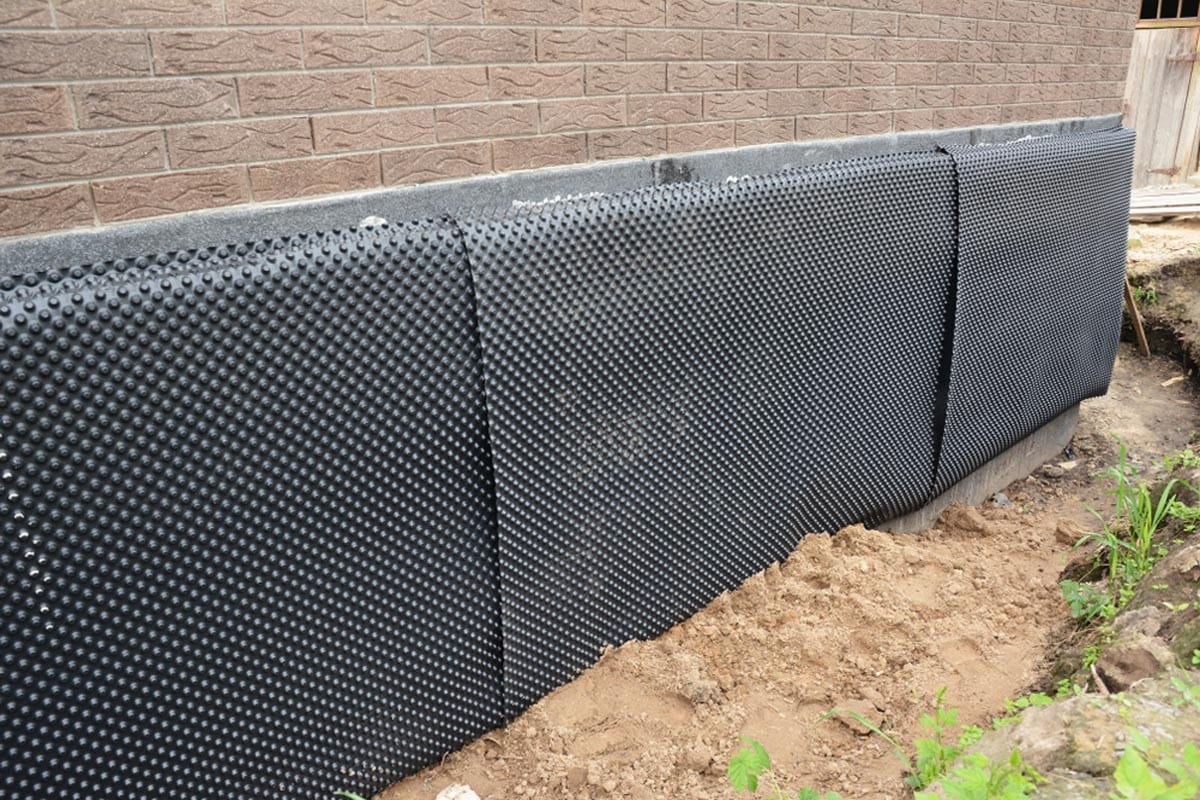
The foundation, typically made of concrete, is designed to distribute the weight of your house evenly across the ground, preventing any uneven settling that could lead to serious damage. It also insulates against cold, keeps out moisture, and resists movement of the earth around it.
There are three main types of foundations: slab, crawlspace, and basement.
A slab foundation is a flat concrete pad poured directly on the ground. It’s cost-effective, but provides no access to utilities underneath.
A crawlspace foundation lifts the house several feet off the ground, providing space to install and maintain utilities.
A basement foundation goes even deeper, providing additional living or storage space.
Understanding these basics will help you appreciate the importance of your home’s foundation. It’s not just a block of concrete; it’s a carefully engineered system that protects and supports your home.
Identifying Signs of Damage
As you turn your attention to identifying signs of damage, first, you’ll need to understand how to recognize structural weakness in your home’s foundation.
This involves careful observation of your property and knowledge of common damage indicators.
Recognizing Structural Weakness
Spotting early signs of structural weakness in your property is essential to preventing severe damage and costly repairs. It is critical that you are familiar with these indicators to guarantee timely intervention and restoration of structural integrity.
Common signs of structural weakness often manifest in the form of cracks, bowing walls, or sloping floors. Cracks may appear on walls, ceilings, and around doors or windows. Bowing walls indicate pressure from the outside, and sloping floors suggest issues with the foundation or support beams.
Here’s a quick guide to help you identify potential issues:
| Structural Weakness | Indication | Possible Cause |
|---|---|---|
| Cracks | Walls, ceilings, doors, windows | Foundation shifting, poor construction |
| Bowing Walls | Inward curve in walls | External pressure, soil movement |
| Sloping Floors | Uneven floors, doors not closing properly | Foundation damage, beam issues |
Interpreting Damage Indicators
Understanding and interpreting the signs of damage in your property is an essential skill that could save you considerable time, money, and stress.
It’s vital to know what to look for as indicators of potential structural issues.
Start with the basics. Visible cracks, no matter how small, shouldn’t be ignored. They’re often the first sign of a problem. Horizontal cracks are particularly worrisome, indicating pressure from the soil pushing against the wall, leading to potential collapse if not addressed promptly.
You must also be aware of doors and windows that don’t open or close properly. This could be a sign of a shifting foundation. Don’t dismiss it as a minor annoyance. It’s a red flag that warrants immediate attention.
Dampness or pooling water in your basement can suggest a problem with water drainage, which can lead to significant foundation damage over time.
Lastly, consider the floors and walls. If they’re uneven or bulging, it’s a sign of foundation settling or upheaval. It’s not just an aesthetic concern. It’s a structural one.
Causes of Foundation Problems
You must understand that soil-related issues, environmental impacts, and structural flaws are major contributors to foundation problems.
Your foundation’s stability can be compromised by expansive soil, drought, or poor drainage, leading to uneven settling.
Additionally, design mistakes or construction damage can likewise weaken your foundation, requiring prompt and professional repair solutions.
Soil-Related Foundation Issues
The type of soil your home is built on can be a major factor in foundation problems. Different soil types have unique characteristics that affect their ability to bear loads and retain moisture. For instance, expansive clay soils swell when wet and shrink when dry, which can lead to severe foundation movement. On the other hand, sandy soils don’t hold water well and can easily be eroded, leading to inadequate support for your foundation.
Here’s a table to help you understand the characteristics and impacts of different soil types:
| Soil Type | Characteristics | Impact on Foundation |
|---|---|---|
| Clay | Expansive, holds water well | Can cause upheaval and settlement |
| Sand | Permeable, poor water retention | Can lead to erosion and instability |
| Silt | Low permeability, prone to compaction | Can result in poor drainage and compaction |
| Peat | High organic content, compressible | Can lead to significant settlement |
Understanding the type of soil your home is built on is key to identifying potential foundation issues. However, it’s not just about knowing your soil type. You’ll also need a thorough understanding of how the soil behaves under different conditions. Remember, maintaining your foundation requires constant vigilance and proactive measures.
Environmental Impact on Foundations
In addition to soil type, environmental factors also play a significant role in causing foundation problems. You’re likely aware of terms like ‘thermal expansion and contraction’ which refer to the weather’s impact on building materials. Understand that temperature fluctuations can cause your foundation to expand or contract, leading to potential cracking or shifting.
Similarly, consider the impact of water. Both excessive moisture and drought conditions can wreak havoc on your foundation. Over-saturation from heavy rains or poor drainage can cause the soil to swell, exerting pressure on the foundation.
In contrast, drought conditions can lead to soil shrinkage, creating gaps where support once was.
High winds and seismic activity are other environmental factors that shouldn’t be overlooked. High winds, especially in regions prone to hurricanes or tornadoes, can cause foundation uplift, while seismic activity can lead to structural instability.
Lastly, vegetation and tree roots can interfere with your foundation. Large tree roots can push against the foundation, causing it to move or crack.
Conversely, if a tree is removed, the soil can shift due to changes in water absorption, potentially compromising the foundation.
Don’t underestimate the impact the environment has on your foundation’s integrity.
Structural Flaws and Damage
Beyond the external factors, your home’s foundation can suffer due to inherent structural flaws or damage. These issues can stem from poor construction, substandard materials, or even design errors. Over time, these flaws may deteriorate your foundation, leading to significant problems.
Let’s explore some of these issues.
| Flaw or Damage | Possible Cause | Impact on Foundation |
|---|---|---|
| Cracks | Poor construction or soil shifting | Compromises structural integrity |
| Bowed Walls | Excessive lateral pressure | Damages load-bearing capacity |
| Sinking or Settling | Soil erosion or compaction | Leads to uneven floors, wall cracks |
| Upheaval | Expansive clay soil | Causes cracks, misalignment of doors/windows |
| Water Damage | Poor drainage or waterproofing | Accelerates material degradation |
You need to understand these factors to effectively troubleshoot your foundation problems. Ignoring these signs can lead to more serious structural damage, costing you more in repairs. So, it’s essential to conduct regular inspections and take preemptive actions to mitigate these issues.
In the next section, we will discuss solutions to these problems. Remember, restoring your home’s structural integrity isn’t just about fixing visible damage; it’s about addressing the root causes behind the flaws.
Hiring the Right Professionals
Often, homeowners underestimate the significance of hiring the right professionals for foundation repair tasks. It’s not just about getting the job done, but guaranteeing it’s done right. Your home’s foundation is vital to its stability, so you shouldn’t compromise on the quality of service.
You need to hire professionals with a strong track record in foundation repair. They should have a solid grasp of soil mechanics, foundation engineering, and structural diagnosis. They should also be versed in using advanced engineering methods and technology to accurately assess the state of your foundation and create a tailor-made solution.
It’s also important to check their certifications and affiliations with professional bodies. It’s not just a stamp of approval, but a sign that they’re committed to upholding industry standards.
Don’t forget to evaluate their insurance coverage. In the unfortunate event that something goes wrong during the repair process, you wouldn’t want to bear the financial brunt.
Lastly, consider their customer service. They should be responsive, transparent, and respectful to guarantee a smooth, stress-free process.
Fundamentally, hiring the right professionals is an essential step in restoring your home’s structural integrity.
Proven Foundation Repair Techniques
When it comes to restoring your home’s foundation, several proven techniques stand out. These methods have been tried and tested over time, offering reliable solutions to a variety of foundation problems.
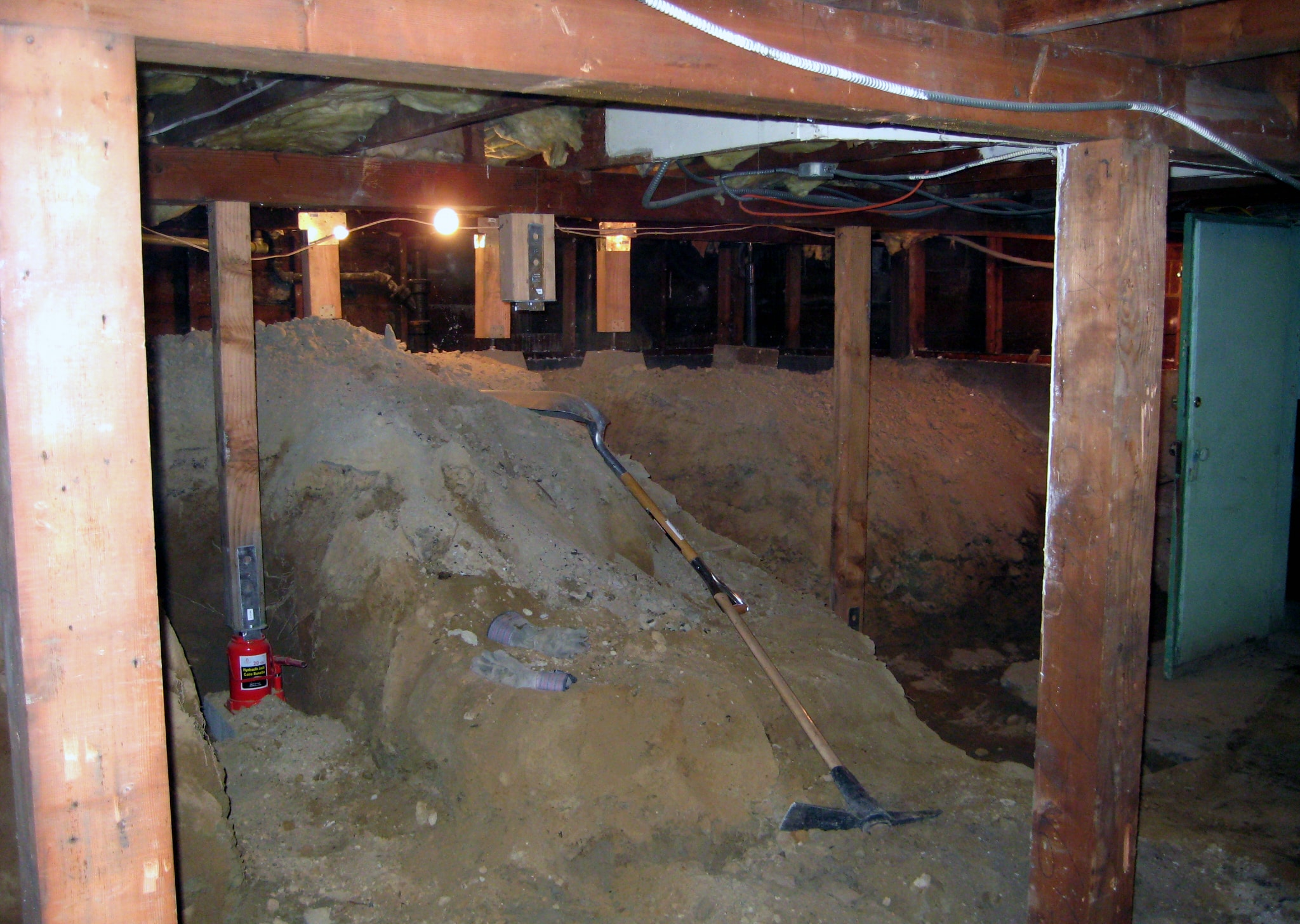
- Underpinning: This is a common method used to increase the depth or width of the existing foundation, making it sturdier and more stable. It’s done by excavating sections beneath the current foundation and filling them with concrete, effectively creating a stronger base.
- Piering: This technique involves driving steel pipe pilings into the ground to support the foundation. There are two types: helical piering, where the piers are screwed into the ground, and push piering, where they’re driven into the ground using hydraulic pressure.
- Slabjacking: If your foundation is sinking, slabjacking might be the solution. It involves pumping a grout mixture under the slab, raising it to the correct level.
While these techniques can provide efficient solutions, it’s important to work with experienced professionals who can accurately diagnose your foundation issues and recommend the most effective repair method.
Preventive Measures for Future Damage
Before starting on a foundation repair journey, it’s crucial to reflect on preventive measures to ward off future damage. You’re not just looking for a quick fix, you’re aiming to maintain a solid, dependable foundation for years to come.
Firstly, consider regular inspections. Professional eyes can detect early signs of damage and provide prompt solutions. Experts may recommend soil treatments to stabilize the surrounding area, which can considerably reduce the risk of future problems.
Water, a common culprit behind foundation problems, needs your careful attention. You must guarantee proper drainage away from your home’s foundation. This might involve installing gutters or extending downspouts to direct rainwater away from the base of your property.
In areas prone to ground movement, consider installing root barriers. These can prevent tree roots from causing soil displacement and foundation movement.
Real-life Repair Success Stories
Taking preventive measures and maintaining your home’s foundation is just half the battle.
It’s the successful repair stories that complete the picture, demonstrating the efficiency of the adopted solutions.
Let’s explore three different cases that highlight this.
- Case One – The Sinking House: The first case involved a house that was sinking due to expansive soils.
Through underpinning, a technique that extends the foundation depth or breadth to more stable soil, the foundation was stabilized.
You’d be surprised at how quick the entire process was.
- Case Two – Wall Cracks: The second case dealt with wall cracks caused by foundation settlement.
The solution was installing push piers, a form of resistance piling, along the affected walls.
The result? The walls were straightened, securing the structure’s future safety.
- Case Three – Basement Flooding: Finally, a case of persistent basement flooding was resolved through installing an interior drainage system and a sump pump.
This guaranteed that water was efficiently directed away from the foundation, preventing any future water damage.
Studying these real-life repair success stories, you can see that maintaining a solid foundation isn’t just a matter of preventive measures.
When necessary, effective repair solutions can restore your home’s structural integrity.
Frequently Asked Questions
How Much Cost Should I Anticipate for a Typical Foundation Repair?
You’ll find that foundation repair costs vary greatly, typically ranging from $1,500 to $7,000. It’s heavily dependent on the severity of the damage, repair methods used, and your home’s location. Always get multiple estimates.
Are Foundation Repairs Covered by Homeowners Insurance?
Typically, your homeowner’s insurance won’t cover foundation repairs unless they’re due to a covered peril. For instance, if a flood causes the damage, and you’ve got flood insurance, then you’re likely to be covered.
How Long Does a Foundation Repair Typically Take to Complete?
You’re likely wondering how long foundation repair takes. Typically, it’s a week-long process. However, it can vary based on the severity of the damage, the repair method used, and the size of your property.
What Are Some Potential Risks if I Delay Foundation Repair?
If you delay foundation repair, you’re risking severe structural damage, increased repair costs, and unsafe living conditions. Issues like sinking, cracks, and water damage can worsen, threatening your home’s overall stability and safety.
Can I Stay in My House During the Foundation Repair Process?
Certainly, you can comfortably continue living in your house during the foundation repair process. It’s a common practice, as most methods don’t intrude into your living space and are conducted externally or beneath the house.
Conclusion
In maintaining your home, the foundation isn’t just the starting point, it’s the bedrock. Understanding your home’s foundation, spotting damage early, and hiring knowledgeable professionals are all essential. Techniques like underpinning, piering, and slabjacking are proven remedies. But remember, prevention trumps cure, so keep up regular maintenance. The safety and value of your home are on the line. Like a well-oiled machine, with the right attention and care, your home’s structural integrity can stand the test of time.

