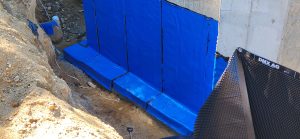
Basement waterproofing protects your home, but it only works when the surrounding drainage is right. Too often systems fail not because the membrane or repair

Groundwater pressure is a critical factor that can significantly impact the integrity of your home’s foundation. Understanding how this pressure builds up and the potential

Basement waterproofing mistakes are common, costly, and often avoidable when homeowners understand root causes and early warning signs. This article explains what constitutes common waterproofing
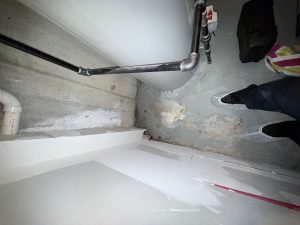
Homes in Roslyn, NY often face basement moisture challenges due to changing weather patterns, groundwater pressure, and the age of many local foundations. Damp basement

Basement moisture refers to liquid water or elevated humidity present within a below-grade space that reaches materials through seepage, condensation, or vapor drive, and it
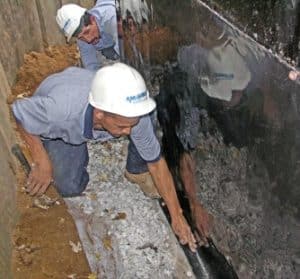
Many homeowners find that basement water returns after repairs because the visible symptom was addressed without resolving the underlying driving forces such as hydrostatic pressure,
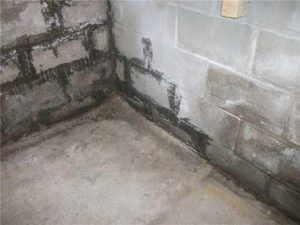
Small basement leaks often start as a nuisance—a damp patch, a trickle down a wall or a slow seep along a floor joint but left
Fall rain and seasonal moisture consistently stress Long Island foundations by saturating surface soils and raising the groundwater table, creating conditions that accelerate foundation movement
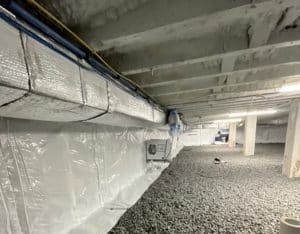
Winter on Long Island brings a unique mix of coastal storms, freeze–thaw cycles, and a high seasonal water table that combine to increase basement moisture
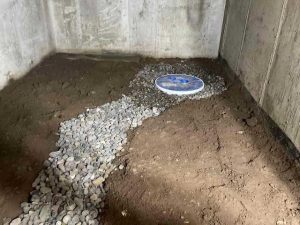
Clogged gutters and downspouts are roof drainage failures where leaves, granules, and debris block the gutter trough and downspout outlet, forcing rainwater to overflow at
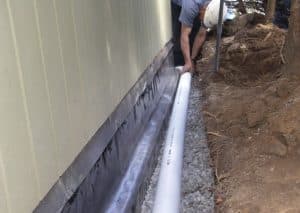
Basement moisture control hinges on choosing the right approach: damp proofing for vapor and capillary issues, or waterproofing for liquid water and hydrostatic pressure. This
 CALL A.M. SHIELD NOW!