
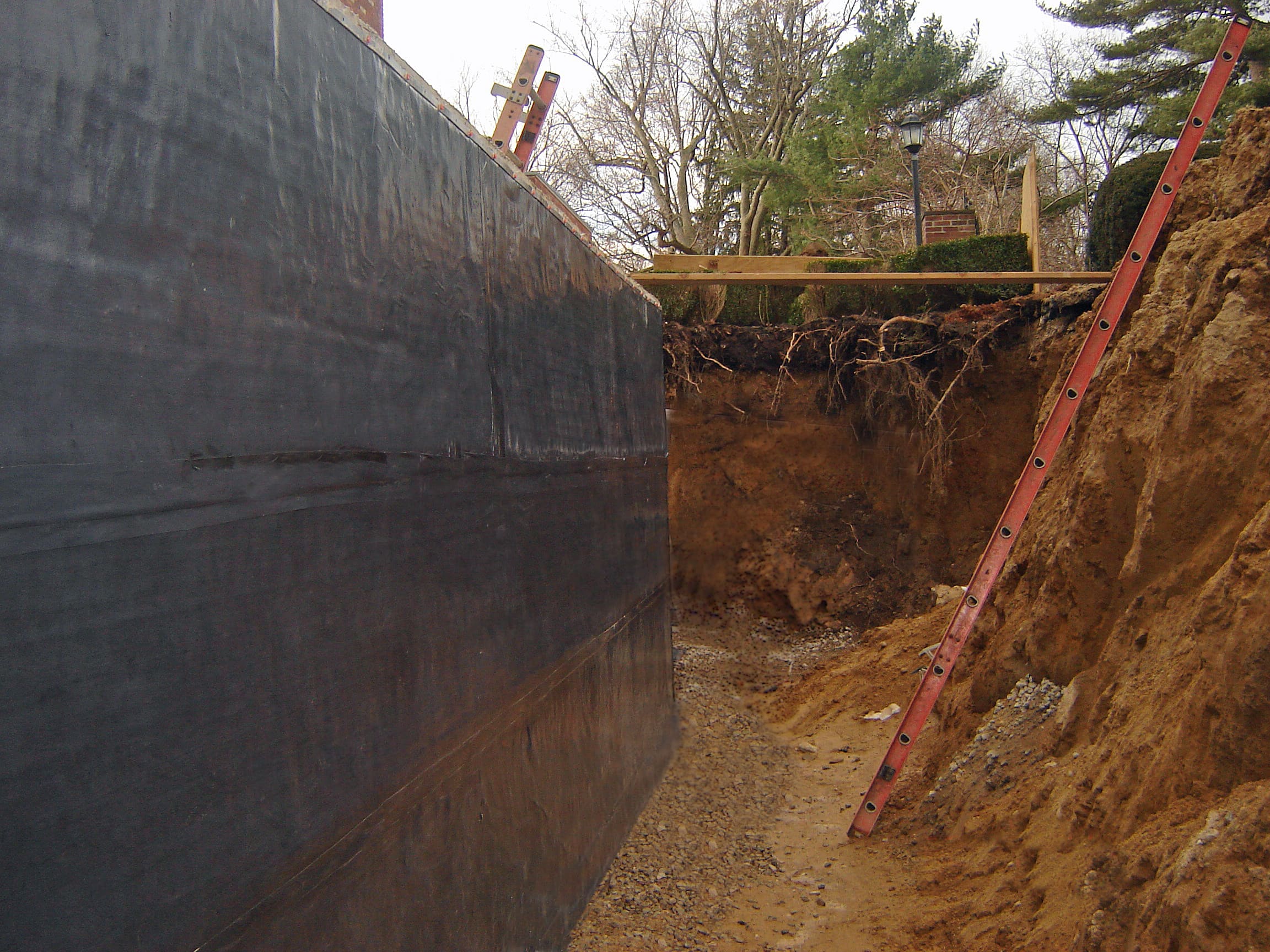
 Seasonal changes can significantly affect your basement and foundation, often leading to costly problems. As temperatures fluctuate, the risk of basement crack repair increases, along with potential structural damage to your foundation. This article will examine the distinct impacts of each season, identify signs of seasonal damage, and offer foundation repair solutions to help maintain your home’s integrity. By understanding these factors, you can better protect your space and ensure a safe and dry environment year-round.
Recognize How Seasonal Changes Affect Your Basement and Foundation
Seasonal changes significantly influence a home’s basement and foundation. In winter, the freeze-thaw cycle can lead to expanded concrete and weakened structures. Foundation repair experts often recommend regular inspections to mitigate these risks and ensure the integrity of concrete blocks in basements.
Spring thaw brings increased moisture that can seep into foundations and basements. This can create pressure against basement walls, potentially leading to cracks. Proper drainage systems, such as those offered by frontier basement systems, help direct excess water away from the foundation, reducing the need for extensive maintenance.
Summer heat can cause lumber used in framing to dry out and shrink, which may lead to structural issues. Homeowners should monitor humidity levels and consider preventative measures to protect their foundation and basement. Routine maintenance during warmer months can be crucial for extending the lifespan of building materials.
Fall introduces heavy rains that can saturate soil around the foundation, increasing the risk of settling or shifting. Homeowners should be proactive in ensuring gutters are clear and downspouts direct water away from the home. Engaging foundation repair experts for an evaluation before the onset of winter can provide peace of mind and strengthen overall stability.
Examine the Effects of Winter on Your Basement and Foundation
Freezing temperatures significantly affect basements and foundations, often leading to structural vulnerabilities. Homeowners in Kansas must be aware of snow accumulation, which can create drainage issues, increasing the risk of flooding. Additionally, frost heave can damage beams and the overall structure. Understanding these factors is vital for maintaining basement integrity during winter months.
Understand Freezing Temperatures and Their Consequences
Freezing temperatures can have serious consequences for a home’s basement and foundation. A common issue is frost heave, which occurs when water in the soil freezes and expands, pushing up the foundation and potentially leading to structural damage. Routine basement foundation repair should include monitoring for signs of frost heave and ensuring that proper drainage systems, such as a sump, are in place to manage excess water accumulation during winter months.
The presence of masonry materials in a foundation can be particularly vulnerable to freezing conditions. Moisture that enters masonry walls can freeze, causing cracks and weakened integrity. Homeowners must stay vigilant by regularly inspecting their gardens and surrounding areas for factors that contribute to water pooling near the foundation. Addressing these issues promptly can prevent costly repair needs and maintain the stability of the basement throughout the winter season.
Analyze Snow Accumulation and Drainage Issues
Heavy snow accumulation can lead to significant drainage issues for homes, particularly in winter. The weight of snow on roofs and surrounding ground increases the risk of basement leaks as melting snow creates runoff that can pool around the foundation. Homeowners often face the challenge of escalating house foundation repair costs if water breaches the basement, making it crucial to maintain proper drainage paths away from windows and downspouts.
Monitoring the water movement during and after severe weather events can help prevent problems before they arise. Clearing snow from around the foundation and ensuring gutters are unclogged allows water to flow freely and reduces the chances of flooding. For those searching for solutions like “basement leak repair near me,” addressing snow accumulation early can prevent more extensive damage and costly repairs down the line.
Explore Frost Heave and Its Impact
Frost heave occurs when the water in the soil freezes, expanding and exerting pressure on the foundation walls of a home. This upward movement can cause significant damage, particularly to tile floors and structural elements, as it disrupts the normal alignment of building materials. Homeowners should be aware of these conditions, especially during freezing temperatures, to maintain the integrity of their basements.
The pressure generated by frost heave can lead to cracks in walls and floors, which may result in further moisture intrusion. To mitigate this risk, it is essential to ensure proper drainage systems and maintain soil moisture levels around the foundation. Regular inspections can help identify early signs of frost impact, allowing homeowners to take action before extensive damage occurs.
Investigate the Influence of Spring on Your Basement and Foundation
Spring brings unique challenges for homeowners concerning their basements and foundations. Melting snow and increased water levels can raise moisture content around the foundation, increasing the risk of flooding and prompting the need for foundation crack repair. Heavy rains may lead to soil saturation and shifting, while seeking services for wet basement repair near me becomes essential to address potential basement leaks effectively.
Address Melting Snow and Increased Water Levels
As temperatures rise in spring, melting snow can drastically increase water levels around a home’s foundation, leading to potential water damage. It becomes essential for homeowners to consider effective solutions like crawl space encapsulation to prevent moisture-related issues. By containing humidity and controlling excess water, homeowners can protect their basements from costly repairs and maintain structural integrity.
In the search for solutions, many might find themselves looking for “basement repair near me” to address these springtime concerns. Excellent customer service, coupled with expertise in managing water intrusion, can lead to proactive measures that prevent future problems. Timely interventions not only save on repair costs but also ensure a dry and healthy living environment throughout the season.
Evaluate Heavy Rain and Flooding Risks
Heavy rain during spring presents a significant risk for flooding in basements, particularly if proper drainage systems are not in place. Water can accumulate quickly, overwhelming existing drainage solutions and leading to leaks. Homeowners should consider installing or upgrading piers around their foundation to support effective water management and prevent soil saturation that could compromise stability.
During this season, proactive communication with foundation experts is essential. These professionals can assess potential threats from heavy rainfall and recommend renovations to bolster protection against moisture intrusion. Implementing improved drainage pathways can significantly diminish the risks of flooding and leaks, ultimately safeguarding the structural integrity of the home.
Consider Soil Saturation and Shifting
Soil saturation during spring can lead to significant instability around basement foundations, particularly affecting full basements. As the ground becomes overly saturated with melting snow and heavy rains, the pressure on the foundation walls increases, potentially causing cracks. Homeowners should consider reinforcing their structures with rebar and regularly inspect for signs of shifting to prevent costly repairs later on.
The risk of shifting soil may also invite pests seeking moisture, creating further complications in maintaining a healthy basement environment. Proper pest control measures must be integrated with structural maintenance to ensure that bedrooms and living spaces above remain safe and comfortable. Addressing soil saturation promptly can help safeguard the overall integrity of the home while enhancing its livability.
Assess the Impact of Summer on Your Basement and Foundation
Humidity levels during summer can significantly affect foundation integrity and moisture control, leading to plumbing concerns. Soil often expands and contracts with temperature fluctuations, creating pressure on basement walls. Additionally, warm conditions may attract pests, further compromising the living environment. Each of these factors contributes to the overall stability of a home, making it essential for homeowners to understand their implications.
Discuss Humidity and Moisture Control
Humidity poses a significant challenge to maintaining the integrity of basements and foundations during summer months. A wood foundation can be particularly susceptible to moisture issues if not adequately managed. Implementing effective waterproofing solutions, such as installing a sump pump, ensures that excess water is effectively removed before it can compromise the stability of slabs or walls.
Homeowners should consider regular inspections and maintenance to safeguard their properties against moisture-related damage, knowing that a strong warranty often supports comprehensive waterproofing systems. By prioritizing these measures, they can protect their homes from costly repairs and ensure a healthier environment within their living spaces throughout the warmer months.
Recognize Soil Expansion and Contraction
Soil expansion and contraction during summer months can create significant challenges for a home’s foundation. As the climate warms, moisture levels in the soil fluctuate, causing it to swell and then shrink as temperatures change. This movement can exert pressure on foundation walls, leading to foundation cracks that may require professional foundation repair to ensure stability and integrity.
Homeowners should be aware that precast concrete foundations can be particularly susceptible to these conditions if not properly installed. Without appropriate drainage systems or moisture barriers, the risk of mildew growth increases, further complicating structural issues. Regular inspections and timely interventions are vital to prevent the long-term effects of soil movement on basements and foundations, ensuring a safe living environment.
Identify Risks of Pest Infestations
During summer, increased humidity and warmth create an inviting environment for pests, particularly in areas like a basement or crawlspace. Common nuisances such as rodents, ants, and termites seek shelter and food, often finding their way into homes through cracks or gaps in the foundation. A well-maintained basement waterproofing system can help minimize moisture, reducing the likelihood of pest infestations that can compromise the structural integrity of the home.
Homeowners should be vigilant in inspecting their basements and kitchens for signs of pest activity, such as droppings or nesting materials. Keeping these areas clean and free of food sources is essential in preventing infestations. Additionally, sealing entry points and ensuring proper drainage around the basement and foundation can significantly reduce risks, safeguarding the home from both pests and potential damage.
Conclusion
Understanding the impact of seasonal changes on your basement and foundation is vital for maintaining a secure home environment. Each season presents unique challenges, from freezing temperatures and heavy rains to humidity and soil movement, which can compromise structural integrity. Proactive measures like regular inspections, effective drainage systems, and proper waterproofing significantly mitigate risks associated with moisture and foundation damage. By staying vigilant and implementing these strategies, homeowners can protect their investments and ensure the longevity of their properties.

A.M. Shield Waterproofing recently awarded the Basement Health Association STAR Award for exceptional customer care for the fifth year in a row. Servicing Long Island, NYC and Westchester with Nationally Certified Waterproofing and Mold Remediation Specialists they are able to provide the highest level of professional solutions. A.M. Shield has the widest range of services available to property owners in the greater New York area utilizing multiple techniques in exterior foundation waterproofing, interior drainage, foundation crack injections and foundation repair solutions,. A.M. Shield™s environmental division will assess the damage, repair the problem and create a healthy environment for property owners who experience mold or moisture problems.
