
When it comes to the structural integrity of your home, few things are as critical as a sound foundation and effective waterproofing. Over time, your property may display tell-tale signs of foundation problems—cracks along walls, uneven floors, or doors that won’t close correctly.
It’s essential to address these issues promptly with professional foundation repair services before they escalate into more significant, costlier disasters. From sinking foundations to basement crack repairs, emerging technologies and proven methods provide long-lasting solutions.
Keep reading to discover how to identify, address, and prevent the common yet overlooked problems endangering your home’s understructure.
Identifying Foundation Problems
Identifying foundation problems early can save a property owner a substantial amount of money and distress.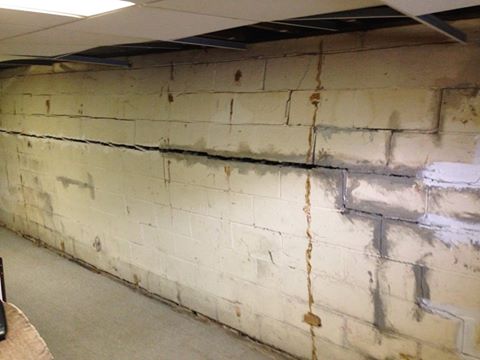
Telltale symptoms of foundation damage include cracking walls, misaligned doors, and floors that slope unexpectedly. Water often plays a pivotal role in exacerbating foundation issues by eroding soil or exerting pressure on walls.
Although spotting the signs is the first step, understanding when to enlist a professional foundation repair service is critical for a thorough assessment.
Homeowners might feel empowered to perform DIY inspections, but certain indicators, such as uneven beams or persisting moisture, signal a need for deeper examination by a specialist. This preamble sets the stage for discussing the nuanced tasks of spotting potential red flags, the impact of water on foundational integrity, timing for professional intervention, and strategies for preliminary self-assessments.
Recognizing the Signs of Foundation Damage
Spotting the early signs of foundation damage is like reading a distress signal your home is sending out. Foundation cracks, doors that no longer close properly, and windows that stick are not just inconveniences; they are often the first indications that the integral structure of your home might be compromised. These signs, especially when occurring together, demand attention and often a call to a structural engineer or foundation repair expert.
Subtle changes in your home can also point to a larger underlying issue, like a sinking foundation. Pay attention when a previously level floor begins to dip, or when you notice gaps between the wall and your home’s ceiling. These symptoms could suggest that the load-bearing elements of your foundation, such as piers or beams, are under distress, and professional foundation repair services may be needed to address the root cause and prevent further damage.
The Role of Water in Foundation Issues
Water, though essential for life, can be an adversary to the stability of a home’s foundation. Improper drainage, including issues with downspouts and gutters, can lead to water accumulation around the property, with soil erosion and pressure against foundation walls intensifying the problem.
Overlooking the importance of basement waterproofing can invite a host of issues, ranging from insidious mold growth to the erosion of the surrounding soil. When left unchecked, moisture infiltration gradually undermines the foundation’s integrity, making timely waterproofing interventions indispensable for safeguarding the home.
When to Call a Professional for Assessment
Calling in a professional foundation repair expert or structural engineer is advised when DIY inspections reveal persistent or complex issues. Situations such as subsiding soil, major cracks spanning the width of a wall, or a basement that perpetually battles with moisture should prompt you to seek expert advice.
Remember, early detection and intervention can prevent minor problems from escalating into major structural repairs. Should there be any uncertainty surrounding the severity of the issues detected, a qualified specialist can offer a comprehensive inspection and present a concrete repair plan tailored to your property’s needs.
DIY Inspection Tips
Embarking on a DIY inspection necessitates a keen eye and a basic understanding of what constitutes a healthy foundation. Look for abnormalities in the floor and walls, paying close attention to cracks that expand over time or horizontal fissures that could indicate pressure from the surrounding soil.
Regularly inspect areas where concrete meets wood, checking for gaps or signs of wood rot that suggest shifting foundations and potential moisture issues. Utilize a level tool to check the evenness of floors and surfaces, as deviations might be a precursor to further foundation problems.
Permanent Foundation Repairs
A solid foundation provides support and stability to a home, ensuring safety and longevity.
When a foundation displays signs of wear or damage, it’s essential to consider permanent repair solutions that can restore structural integrity.
Selecting the right repair method involves understanding the specific problems at hand and the soil conditions of the property.
Among the viable options, steel piers have emerged as sought-after due to their durability and minimal disturbance to the surrounding landscape.
Similarly, helical piers offer a unique advantage for areas with load-bearing soil layers located deep beneath the surface.
Meanwhile, concrete piles are often favored when supporting heavier structures, and poured concrete piers bring benefits like enhanced support strength.
Each method comes with its processes and advantages, tailored to address different types of foundation distress with the goal of achieving lasting stability and peace of mind for homeowners.
Overview of Steel Piers and Their Installation
Steel piers have become an invaluable tool in the foundation repair arena, boasting superior strength and longevity when stabilizing a compromised structure. Their installation, a crucial phase that demands precision, begins with strategically positioning them at key stress points beneath the foundation to ensure an even distribution of support.
The process involves driving steel piers deep into the ground until they reach stable soil layers or bedrock, effectively anchoring the foundation against further movement. This method is notable for its minimal impact on the property’s landscape, typically requiring less excavation and delivering swift results for homeowners seeking reliable foundation repair.
The Process and Advantages of Helical Piers
Helical piers are a versatile solution, designed to secure the foundation in a swath of different soil types, including those where water or erosion have compromised stability. These piers, with their screw-like design, delve into the ground and anchor into more stable soil layers, countering the impact of a shifting foundation.
The installation of helical piers is a process appreciated for its precision and speed, as engineers can rapidly adjust the depth and number of piers to meet the unique demands of each repair scenario. This method stands out for being less invasive than some traditional methods, offering a swift return to normalcy for affected homeowners.
When to Use Concrete Piles for Foundation Repair
Concrete piles are often the go-to choice when addressing deep foundation issues, such as significant soil compaction or when the weight of a structure demands robust support from far beneath the surface. These solid concrete columns are driven deep into the ground, connecting the foundation to more stable strata, often going far beyond the troublesome soils that can lead to sinking or shifting.
In residential foundation repair, concrete piles provide not only a high load-bearing capacity but also long-term durability against the elements, making them a wise investment for homeowners dealing with severe foundation concerns. Opting for this method ensures that the entirety of a home’s weight is supported adequately, delivering peace of mind and a comprehensive solution to foundation problems.
The Benefits of Poured Concrete Piers
Poured concrete piers provide a stable and permanent solution for foundation repair, standing steadfast against subsidence and soil shifts. Their construction process allows for a custom-fit solution, uniquely molded to meet the varying demands of the affected foundation area, which bolsters the structure’s ability to withstand environmental pressures.
These piers also come with the assurance of enhanced longevity, as the quality and sturdiness of poured concrete fortify the foundation against future issues. Homeowners benefit from this approach, as it offers a resilient and lasting remedy to otherwise unsettling foundation concerns.
Minor Foundation Adjustments
Not all foundation woes call for extensive measures, and sometimes, a minor adjustment can restore balance and integrity to a home’s base.
For a foundation that’s lost its level ground due to soil compaction or other non-structural issues, solutions like slab jacking can be a game-changer, lifting and leveling concrete without the need for a major overhaul.
Alternatively, for less pronounced irregularities, shimming provides a straightforward method for returning a sense of evenness to your living space.
Beyond this, homeowners must not overlook the necessity of addressing the smallest breaches; sealing foundation cracks with proficiency can defend against water infiltration, staving off more substantial deterioration.
As we introduce these targeted techniques, we unveil the intricacies of each process and their critical roles in maintaining a safe and sturdy foundation.
How Slab Jacking Works to Lift Your Foundation
Slab jacking is an efficient method for elevating a sunken concrete slab by injecting a specialized solution beneath it. The process utilizes a mixture, often made of cement, sand, and other stabilizing materials, and this mixture is pumped under the slab with precise hydraulic pressure. As it expands, it elevates the slab back to its original position, correcting unevenness and instability.
The procedure begins with drilling small holes into the affected concrete slab, through which the lifting mixture is introduced. Technicians carefully monitor the lift, ensuring the slab is raised to the desired level, effectively restoring the foundation’s flat surface and structural soundness with minimal disruption to the surrounding area.
Shimming for Minor Foundation Leveling
Shimming offers a straightforward remedy for properties plagued by minor discrepancies in foundation level. By placing thin, durable pieces of metal or plastic, known as shims, into gaps beneath beams or joists, professionals can adeptly raise and secure a sagging point to regain a level footing.
This technique is lauded for its simplicity and efficacy, requiring little disruption to daily life within the home. Homeowners appreciate that shimming targets the specific areas in need, avoiding the broader expense and labor associated with more invasive foundation repair methods.
Techniques for Effective Sealing of Foundation Cracks
Sealing foundation cracks demands precision and an understanding of the right materials for the job. Epoxy injections are often hailed for their strength and bonding properties, ensuring a long-term fix for hairline fractures that threaten to let water and pests invade through concrete block or brick walls.
For wider cracks or those in damp environments, polyurethane foam offers flexibility and a watertight seal, expanding upon application to fill the crevices and prevent future water damage. Professional application of these sealants reinforces the barrier against infiltration, preserving the foundation’s integrity and indoor air quality.
Innovative Waterproofing Solutions
Confronting the challenge of keeping basements dry necessitates a critical look at the diverse waterproofing strategies available to homeowners.
Exterior and interior waterproofing methods each present their unique set of strengths, tailored to combat the insidious presence of moisture.
The application of waterproofing membranes stands out as a potent defense, offering formidable resistance to water intrusion.
Meanwhile, the integrity of any waterproofing system relies significantly on incorporating a competent drainage solution, ensuring that water is effectively channeled away from the foundation—this synergistic approach between barriers and drainage forms the cornerstone of a dry and healthy basement environment.
Exterior vs. Interior Waterproofing Methods
Exterior waterproofing tackles foundation moisture issues at their source: the great outdoors. By applying durable membranes or sealants against the outer walls of a basement or foundation, and ensuring proper soil grading for effective drainage, this method acts as a resilient shield against water seepage and the damage it can cause.
Interior waterproofing, on the other hand, aims to manage moisture that has made its way inside. Solutions like sump pump installations and internal perimeter drains capture and redirect incoming water, making sure the basement stays dry and protected from the potential hazards of excessive humidity and water damage.
The Advantages of Using Membranes for Waterproofing
Membranes form a robust barrier between the soil’s moisture and the sanctuary of a home’s basement, making them a pivotal element in waterproofing systems. The seamless nature of these membranes allows them to conform to irregular foundation surfaces, ensuring comprehensive coverage and protection against the perils of water infiltration.
They are renowned for their durability and resilience against harsh environmental conditions, including extreme temperatures and groundwater chemicals. Membranes not only prevent water damage but also shield the foundation from the wear and tear caused by continuous exposure to the elements, preserving the home’s structural integrity over time.
Importance of Proper Drainage Systems
An indispensable component of any robust waterproofing strategy is the integration of a proper drainage system. A well-designed drainage plan not only redirects water away from the foundation, preventing accumulation that could lead to structural issues, but it also plays a critical role in relieving hydrostatic pressure that can cause walls to crack and bow.
Employing reliable systems like French drains or carefully sloped landscapes ensures that groundwater and rain are swiftly moved away from the home’s base. This preventive measure guards against water’s relentless force, thereby maintaining a dry and secure foundation integral to a home’s health and longevity.
Preventative Measures for Foundation Health
Maintaining the health of a foundation goes beyond addressing visible cracks and leans; it requires a proactive approach to prevent issues before they arise. Ensuring the longevity of a foundation begins with diligent soil maintenance, which can circumvent the shifting and settling that lead to structural concerns.
Alongside soil vigilance, regular gutter cleaning is paramount to redirect water effectively, safeguarding the foundation from potential water damage. Additionally, thoughtful landscaping can reinforce the stability of your foundation, promoting drainage while enhancing the property’s aesthetic appeal.
In essence, these preventative strategies collectively serve as the first line of defense, keeping foundation woes at bay and reinforcing the home’s structural integrity.
Importance of Soil Maintenance Around the Foundation
Proper soil maintenance near the foundation is a cornerstone of home stability, preventing water-induced erosion and the detrimental uneven settling of a property. Attending to the soil’s condition entails managing its moisture levels and ensuring that compaction remains consistent; these precautions avert foundational shifts that could wreak havoc on a home’s structural soundness.
By addressing concerns like soil compaction and grading techniques, homeowners establish a solid defense against the invasive pressure of groundwater. These maintenance efforts play a pivotal role in sustaining the foundation’s integrity, mitigating risks that could otherwise result in costly foundation repair efforts and disruptions to daily life.
Regular Gutter Cleaning to Prevent Water Damage
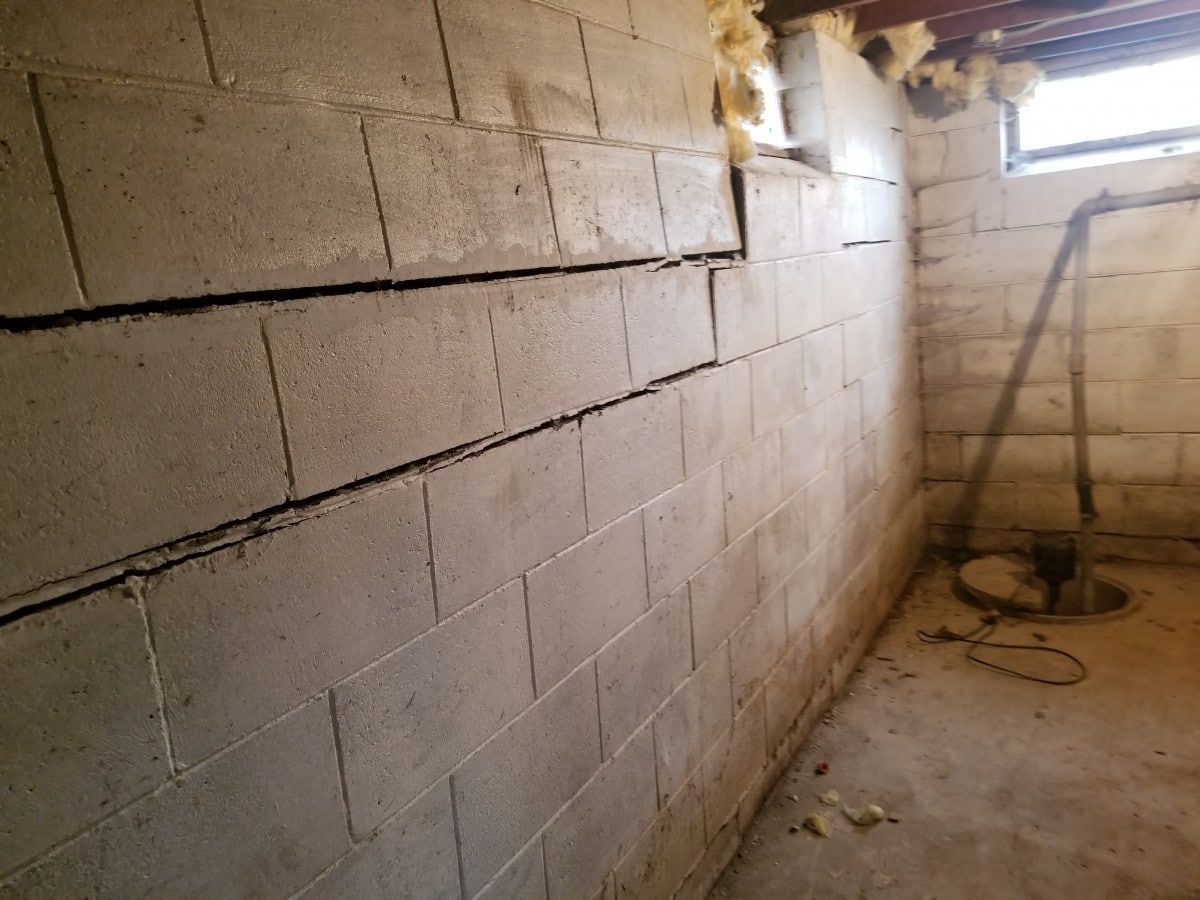
Keeping gutters clear is a fundamental aspect of safeguarding a home’s foundation from the insidious threat of water damage. Regular gutter maintenance ensures that rain is efficiently funneled away from the base of the house, reducing the risk of water pooling and seeping into the foundation, which can cause substantial and expensive harm over time.
A neglected gutter can become a silent culprit in the gradual undermining of a foundation’s stability. Ensuring that gutters are free from debris prevents the overflow and accumulation of water around the property, thus maintaining a dry and secure environment for the foundation and averting potential structural issues associated with persistent moisture.
Landscape Considerations for Foundation Longevity
Landscape design holds more than just aesthetic value; it’s an instrumental ally in extending the longevity of your foundation. Strategic planting of trees and shrubs, for instance, can regulate soil moisture levels while reinforcing the ground with their root systems, thus averting the risks posed by erosion and soil shifting.
Moreover, the placement of gardens, patios, and walkways necessitates careful thought to ensure they contribute to effective water management. Grading the terrain to move water away from the foundation, coupled with the judicious selection of plants and hardscaping, creates a harmonious balance between a stunning landscape and a robust, secure foundation.
Contact the Professionals at A.M. Shield Waterproofing Corp. Today! (516) 294-8400

A.M. Shield Waterproofing recently awarded the Basement Health Association STAR Award for exceptional customer care for the fifth year in a row. Servicing Long Island, NYC and Westchester with Nationally Certified Waterproofing and Mold Remediation Specialists they are able to provide the highest level of professional solutions. A.M. Shield has the widest range of services available to property owners in the greater New York area utilizing multiple techniques in exterior foundation waterproofing, interior drainage, foundation crack injections and foundation repair solutions,. A.M. Shield™s environmental division will assess the damage, repair the problem and create a healthy environment for property owners who experience mold or moisture problems.
