
Maintaining a home’s structural integrity and ensuring a dry, comfortable living space are paramount concerns for homeowners. Two critical services that address these issues are foundation repair and waterproofing. While they may seem similar, they serve distinct purposes. Understanding the differences between them and recognizing when both are necessary can help homeowners make informed decisions about protecting their properties.
Defining Foundation Repair and Waterproofing
A home’s foundation is its structural backbone, and any issues with it can lead to severe consequences if left unaddressed. When foundation problems arise, two essential solutions come into play: foundation repair and waterproofing. While both are designed to protect the home, they serve different functions. Foundation repair focuses on restoring structural stability, while waterproofing prevents water-related damage. Understanding the difference between the two is crucial for homeowners who want to ensure their foundation remains strong and dry for years to come.
What is Foundation Repair?
Foundation repair involves addressing structural issues that compromise the stability and safety of a building. Over time, various factors contribute to foundation damage, including:
- Soil movement and expansion – Some types of soil, like clay, expand when wet and shrink when dry. This constant movement puts pressure on the foundation, leading to cracks and shifts.
- Hydrostatic pressure – Water accumulating around the foundation walls creates excessive pressure, pushing against the structure and causing cracks or bowing walls.
- Poor construction – If a home was built on improperly compacted soil or lacks adequate support, the foundation may settle unevenly over time.
- Erosion – Heavy rains can wash away soil from underneath the foundation, causing sections of the home to sink.
- Tree roots and vegetation – Trees planted too close to a home can draw moisture from the soil, leading to uneven settling and foundation stress.
Common Signs of Foundation Problems
Homeowners should be on the lookout for early warning signs of foundation issues, which include:
- Cracks in walls or floors – These may appear as vertical, horizontal, or stair-step cracks, which indicate different types of stress on the foundation.
- Uneven or sloping floors – A noticeable tilt in flooring suggests that the foundation is shifting or settling.
- Doors and windows that stick – When a foundation moves, it can cause the frames of doors and windows to shift, making them difficult to open or close.
- Gaps between walls and ceilings or floors – Separation at joints may indicate that parts of the home are shifting.
- Bowing or leaning walls – Exterior walls pushing inward or outward are a strong sign of pressure against the foundation.
Foundation Repair Methods
The appropriate repair method depends on the severity and type of foundation damage. Professionals may use one or a combination of the following solutions:
- Installing steel beams – This technique stabilizes foundation walls, reinforcing them against external pressure and preventing further movement.
- Using helical piles or push piers – These deep foundation support systems help lift and stabilize a settling foundation by anchoring it into more stable soil layers.
- Applying wall anchors – Wall anchors provide lateral support to bowing or leaning walls, preventing further inward movement and restoring structural integrity.
- Slab jacking or underpinning – This process raises sunken portions of a foundation by injecting stabilizing materials beneath it.
While foundation repair restores structural strength, it does not necessarily prevent future moisture intrusion. That’s where waterproofing comes in.
What is Waterproofing?
Waterproofing is a proactive approach to foundation protection that prevents water from infiltrating a home and manages moisture levels to maintain a dry environment. Even if a foundation is structurally sound, prolonged exposure to moisture can cause significant damage over time, leading to mold growth, wood rot, and compromised indoor air quality.
Waterproofing methods vary depending on whether moisture control is needed inside or outside the home.
Causes of Water Intrusion
Poor drainage around the foundation – If water is not directed away from the home, it can accumulate and seep through foundation walls.
High water table levels – Homes in areas with naturally high groundwater levels are at greater risk of water infiltration.
Cracks in the foundation – Small openings allow water to enter, leading to damp conditions inside the basement or crawl space.
Condensation and humidity – Poor ventilation can cause moisture buildup inside a basement, even without external water leaks.
Common Waterproofing Solutions
There are multiple waterproofing strategies designed to protect a home’s foundation from moisture damage:
- Installing wall liners – A vapor barrier or wall liner is applied to basement walls, directing water down into a drainage system to prevent damp conditions. This is especially useful in crawl spaces.
- Setting up drainage systems – A French drain (a trench filled with gravel and a perforated pipe) redirects groundwater away from the foundation, while a sump pump actively removes water from the basement.
- Applying exterior sealants – Specialized waterproof coatings are applied to foundation walls to block moisture from penetrating the structure.
- Installing window well drains – If a basement has windows below ground level, these drains help prevent water from accumulating and seeping in.
- Using dehumidifiers – For homes with high humidity levels, dehumidifiers help control moisture and prevent mold growth.
How Foundation Repair and Waterproofing Work Together
Although foundation repair and waterproofing address different problems, they often go hand in hand. Many homeowners require both solutions to ensure their foundation remains structurally stable and free from moisture-related issues.
For example:
- A foundation with cracks might need both repair and waterproofing. Cracks can be sealed, but if water pressure continues to build up outside the walls, leaks will persist.
- Waterproofing alone may not be enough if structural damage is present. A basement wall bowing due to hydrostatic pressure will need reinforcement before a waterproofing membrane is applied.
- Combining repair and waterproofing extends the life of the foundation. Fixing structural problems while preventing moisture infiltration ensures long-term protection.
By understanding the distinct yet complementary roles of foundation repair and waterproofing, homeowners can make informed decisions about maintaining their property’s stability and dryness.
Key Differences Between Foundation Repair and Waterproofing
While both services aim to protect the home, their primary focuses differ:
- Objective: Foundation repair addresses structural stability, ensuring the building’s safety. Waterproofing aims to keep the interior dry and manage moisture levels.
- Indicators: Structural issues like significant cracks or misaligned doors suggest the need for foundation repair. Signs like dampness, mold, or minor leaks point toward waterproofing needs.
- Approach: Foundation repair often involves reinforcing or stabilizing the existing structure. Waterproofing focuses on creating barriers against moisture and managing water flow around the property.
Why Both Services Might Be Necessary
In many cases, foundation repair and waterproofing are interconnected. For instance: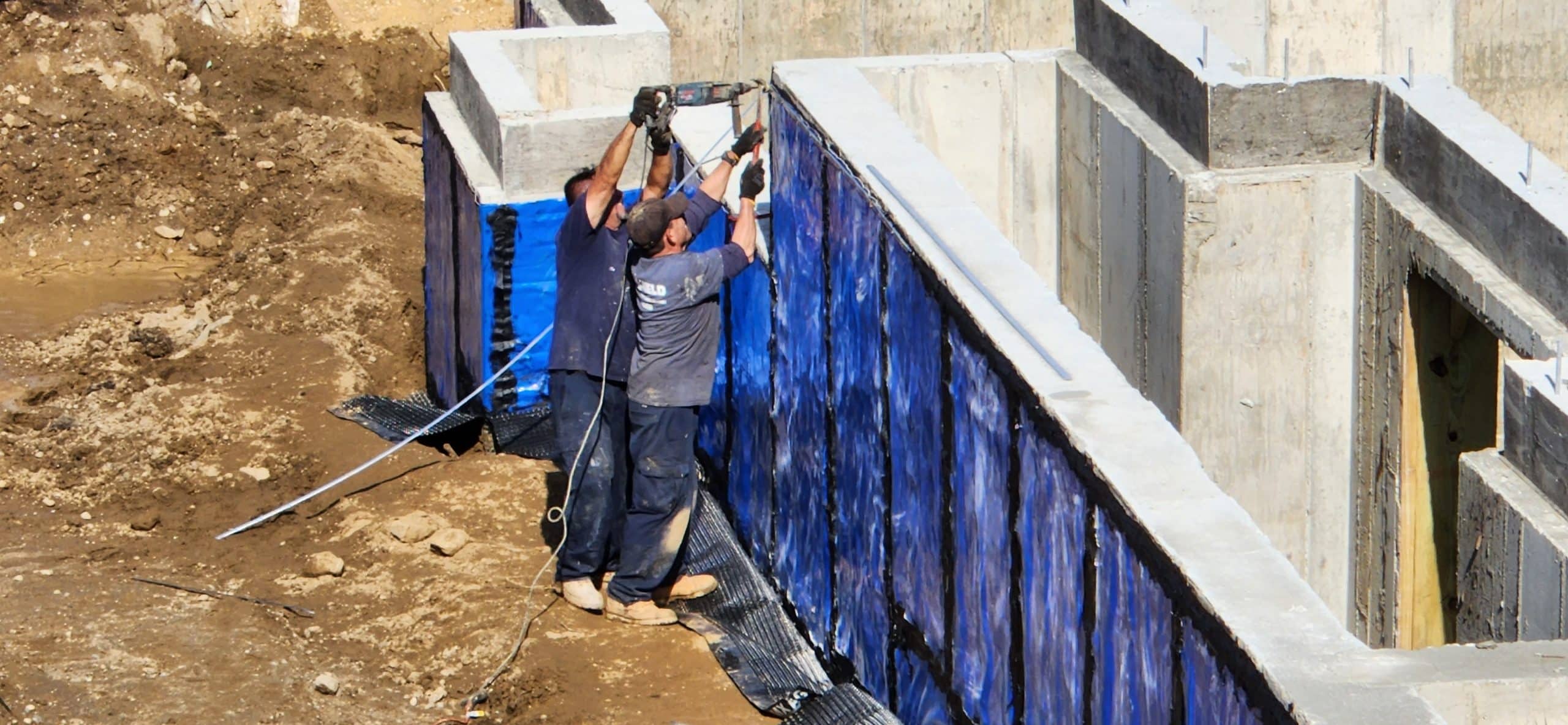
- Water-Induced Structural Damage: Persistent water intrusion can erode soil supporting the foundation or cause materials to weaken, leading to structural issues.
- Cracks Leading to Leaks: Structural cracks can serve as entry points for water, resulting in moisture problems inside the home.
Addressing only one issue might provide a temporary solution. For comprehensive protection, it’s often essential to tackle both structural repairs and waterproofing simultaneously. This dual approach ensures that:
- Structural integrity is restored: Preventing further movement or damage.
- Moisture is effectively managed: Keeping the interior spaces dry and healthy.
Case Study: A Comprehensive Solution
Consider a homeowner noticing both foundation cracks and basement dampness. An inspection reveals that hydrostatic pressure has caused wall cracks, allowing water to seep in. The recommended solution includes:
- Foundation Repair: Installing wall anchors to stabilize and straighten the walls.
- Waterproofing: Setting up an interior drainage system and sump pump to manage water intrusion.
By addressing both issues, the homeowner ensures long-term stability and dryness.
Conclusion
Understanding the distinct roles of foundation repair and waterproofing is crucial for homeowners facing structural or moisture issues. While they address different problems, these services often overlap, and a comprehensive approach is essential for maintaining a safe, dry, and stable home. Consulting with professionals who can assess and recommend tailored solutions will ensure the longevity and comfort of your property.

A.M. Shield Waterproofing recently awarded the Basement Health Association STAR Award for exceptional customer care for the fifth year in a row. Servicing Long Island, NYC and Westchester with Nationally Certified Waterproofing and Mold Remediation Specialists they are able to provide the highest level of professional solutions. A.M. Shield has the widest range of services available to property owners in the greater New York area utilizing multiple techniques in exterior foundation waterproofing, interior drainage, foundation crack injections and foundation repair solutions,. A.M. Shield™s environmental division will assess the damage, repair the problem and create a healthy environment for property owners who experience mold or moisture problems.
