
Have you noticed water intrusion around your foundation? This post explains how hydrostatic pressure affects building statics through forces exerted on a structure’s height and surface area, which in turn influence buoyancy. We outline waterproofing challenges and detail A.M. Shield’s practical solutions to address them. Clear examples and practical advice equip you with insights to protect your property from water-related issues.
Understanding Hydrostatic Pressure and Its Impact
Understanding hydrostatic pressure involves recognizing its role in moisture intrusion and assessing its effect on structures. The discussion covers the pressure definition, factors such as pipe influence and weight distribution, and conditions like ocean exposure that disturb hydrostatic equilibrium. Subsequent sections provide practical insights for addressing related challenges with A.M. Shield waterproofing.
Definition and Importance of Hydrostatic Pressure
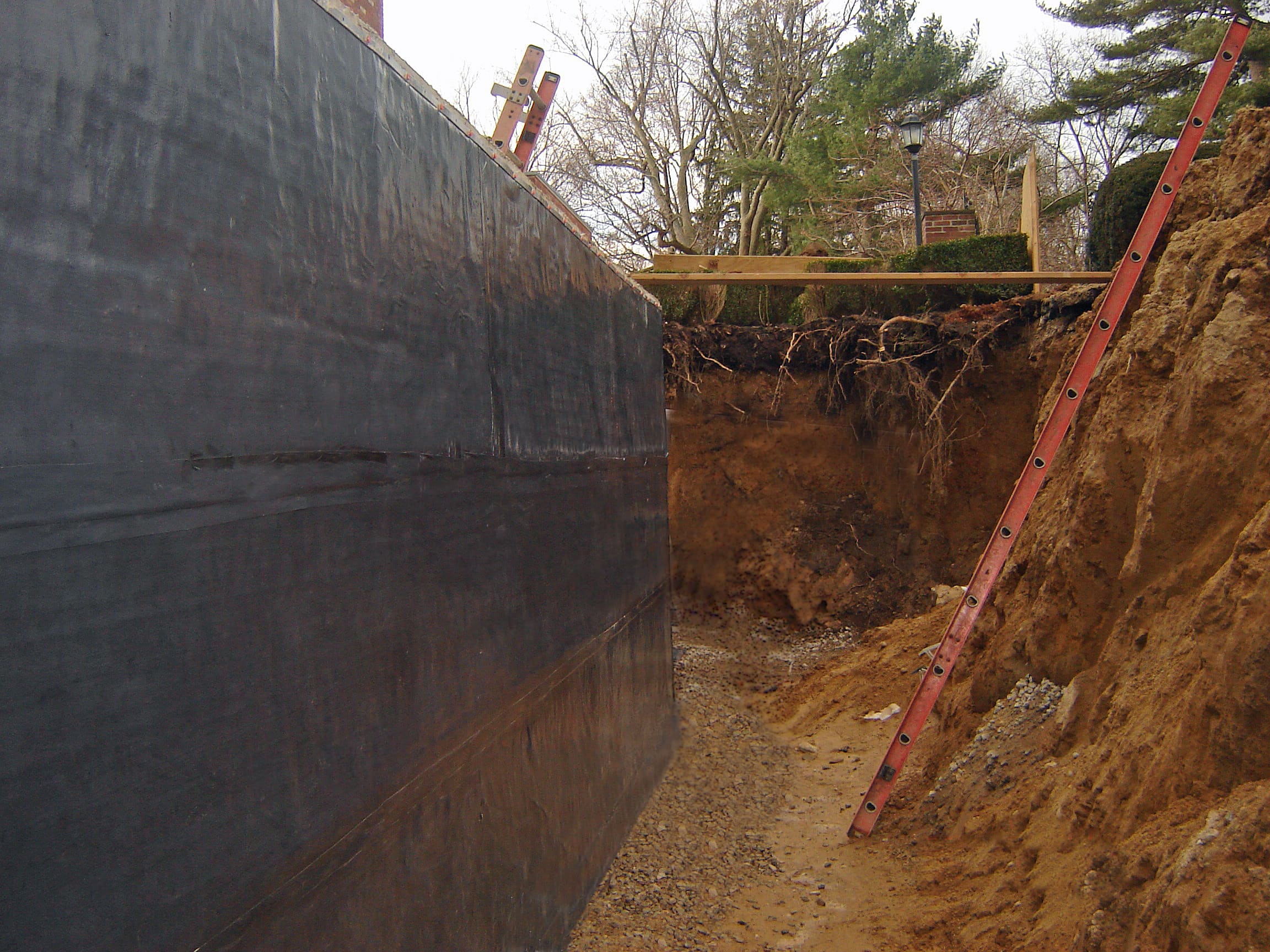
Hydrostatic pressure is the force exerted by a static water column, determined by the water’s mass and density. Specialists use a pump to manage water buildup in low areas like the basement, where pressure can affect structural stability.
The measurement of hydrostatic pressure offers valuable insights into soil saturation and the load applied to foundations. Professionals rely on data from mass and density analyses to adjust waterproofing measures and maintain safe conditions for basements and surrounding support systems.
Key Factors Contributing to Hydrostatic Pressure
Hydrostatics measures the pressure exerted by a still water column, where gravity’s acceleration produces a consistent force that professionals assess during site evaluations. Specialists track variations in surface tension to understand water behavior and its influence on structural surfaces under static conditions.
Material composition in a foundation plays a significant role, as concrete provides resistance to water pressure while clay retains moisture and alters pressure distribution. Experts apply these insights to adjust waterproofing strategies using A.M. Shield products, ensuring that structures remain protected from evolving water influences.
Common Situations Where Hydrostatic Pressure Appears
Structures in urban environments often encounter pressure buildup in areas where water saturates soil, leading to noticeable force against basement walls and retaining structures. Engineers apply fluid dynamics principles and a basic equation linking water density and gravitational influence to assess capillary action that induces steady water motion within building materials.
Sites adjacent to natural water bodies regularly experience fluctuating pressure due to varying water levels from precipitation and tidal motion. Specialists use standard fluid dynamics calculations to monitor capillary action effects, ensuring that waterproofing measures address the potential for damage arising from these pressure variations.
The Challenges of Hydrostatic Pressure in Waterproofing
Hydrostatic pressure challenges affect structures through variations in water volume from rain and changes in atmospheric pressure, measured in pascal on basement walls. The text covers common structural issues, evident signs of pressure damage, and soil-water interactions, offering straightforward insights for addressing waterproofing challenges.
Common Issues Faced by Structures Due to Hydrostatic Pressure
Structures encounter stress when water saturated soil pushes against foundations, often causing cracks and weakened support. Specialists conduct an exam to measure shifts in humidity and determine how water buildup, tracked in metre units, affects every vulnerable area and takes account of potential risks.
Damage appears as materials weaken under persistent pressure and moisture infiltration. Professionals take account of environmental factors by performing periodic exams to monitor humidity and using precise metre measurements across each area to guide effective waterproofing with A.M. Shield products.
Identifying Signs of Hydrostatic Pressure Damage
Experts recognize visible water seepage, minor cracks, and persistent damp patches as clear indicators of damage linked to hydrostatic pressure. They measure the force exerted by accumulated water and note that fluid movement can alter the internal chemistry of construction materials, often causing a sump pump to work overtime in critical areas.
Specialists observe that uneven moisture distribution and discoloration near the foundation signal structural stress from prolonged hydrostatic influence. They analyze how the force from water intrusion changes material chemistry while monitoring the behavior of fluid flows with a sump pump to ensure remedial waterproofing solutions are properly applied.
Understanding Soil and Water Interaction Impact
Experts use a precise formula to evaluate how soil composition and liquid intrusion matter when addressing waterproofing challenges. Their assessments record data similar to blood pressure measurements, as minor changes in moisture produce effects that mirror the regulated flow of blood.
Field specialists note that soil and water interactions impact structural performance when variations in liquid levels affect foundation strength. They rely on a formula to monitor these shifts, with results that align closely with blood pressure readings to guide proper waterproofing methods.
A.M. Shield Waterproofing Solutions Overview
A.M. Shield employs advanced technology integrating robust steel components and an engine system to manage water tension, viscosity, and sump issues linked to hydrostatic pressure. Their method delivers steady improvements and practical protection, with upcoming sections breaking down the innovations, benefits, and targeted solutions for construction challenges.
Innovative Technologies Used by A.M. Shield
A.M. Shield employs advanced sensor technology that monitors water behavior by measuring the effects of gravity and capillary forces on foundation walls. The system computes the necessary length for protective barriers, ensuring that even variations in earth conditions are addressed effectively.
Engineered components work with real-time electronic controls to adjust waterproofing measures as water dynamics shift. Sensor readings based on gravity and capillary movements guide precise modifications that secure foundation walls and sustain stability across diverse earth compositions.
Benefits of A.M. Shield Waterproofing Methods
A.M. Shield waterproofing methods offer solid protection by applying principles of physics to monitor water pressure and prevent moisture intrusion. The system reinforces each wall and the overall floor, ensuring that both external walls and internal wall surfaces withstand changes in the surrounding atmosphere.
The solution actively adjusts to pressure variations by using advanced sensor technology that detects shifts in water behavior. This approach secures every wall and the floor while keeping the immediate atmosphere stable, addressing concerns related to hydrostatic pressure with practical benefits.
How A.M. Shield Addresses Hydrostatic Pressure
A.M. Shield manages hydrostatic pressure by using advanced sensor systems that track water behavior and adjust waterproofing measures in real time. The solution integrates drainage controls that divert water effectively, reducing pressure on the foundation and supporting overall structural stability.
Expert technicians monitor pressure levels using data-driven insights to refine protective barriers. This approach ensures that waterproofing strategies remain responsive while drainage solutions keep water intrusion to a minimum, addressing potential issues before they affect the building.
Case Studies Showcasing A.M. Shield’s Effectiveness
Case studies reflect A.M. Shield’s impact on managing hydrostatic pressure. Residential projects demonstrate effective water stress mitigation, while commercial accounts illustrate proven waterproofing applications. Customer feedback confirms the system’s performance through firsthand experiences. These examples offer practical insights and evidence of solid protection against water-related damage.
Residential Projects and Hydrostatic Pressure Mitigation
A residential project demonstrated significant improvements in managing water pressure using an A.M. Shield waterproofing system. Independent evaluations revealed that the system reduced moisture penetration in basements while maintaining the stability of the foundation under varying groundwater levels.
Engineers measured the impact of the waterproofing solution on hydrostatic pressure and observed fewer instances of material stress and wall cracking. The project serves as a practical example for homeowners seeking reliable methods to protect structural integrity against moisture intrusion.
Commercial Success Stories With A.M. Shield Solutions
Commercial properties have implemented A.M. Shield waterproofing to address challenges associated with water pressure from saturated soil. Independent evaluations indicate that the solution effectively minimizes moisture intrusion while maintaining structural balance in high-traffic facilities.
Industry engineers report that the system provides reliable performance by actively monitoring water behavior and adjusting protection measures in real time. Field assessments confirm that using A.M. Shield solutions leads to fewer repair interventions and improved overall durability in commercial settings.
Customer Testimonials on A.M. Shield Performance
Customer feedback highlights the strong performance of A.M. Shield waterproofing in controlling hydrostatic pressure. Independent reviews report that the system minimizes water seepage and foundation stress, offering clear benefits for property protection.
Building managers observe notable improvements in moisture control following the installation of A.M. Shield. Field surveys confirm that the waterproofing solution adjusts to changing water conditions promptly, securing structural integrity and reducing repair requirements.
Practical Advice for Homeowners Facing Hydrostatic Pressure
Homeowners should examine their property for water-related vulnerabilities and follow regular maintenance steps to reduce pressure risks. In severe cases, experts advise on proper waterproofing with A.M. Shield. The next sections detail how to assess vulnerabilities, perform upkeep, and know when to consult professionals for targeted solutions.
Steps to Assess Your Property’s Vulnerability

Property experts recommend beginning with a detailed examination of all areas near the foundation, basement, and exterior walls for visible moisture or structural changes. They focus on signs such as cracks, damp patches, and surface staining that may indicate excessive water buildup due to hydrostatic pressure.
Specialists also advise assessing external drainage systems and terrain grading, as these factors influence water movement around the building. They collect moisture readings and compare current observations with historical data to determine if targeted waterproofing techniques, like those provided by A.M. Shield, are advisable for stabilizing the foundation.
Maintenance Tips to Minimize Hydrostatic Pressure Risks
Homeowners can reduce water buildup by scheduling regular inspection and cleaning of drainage systems to lower moisture levels that increase hydrostatic pressure. Checking gutters, downspouts, and exterior seals helps maintain a steady flow and protects the foundation from water buildup.
A.M. Shield waterproofing methods complement these efforts by providing additional moisture control during maintenance routines. Professionals recommend monitoring sump pumps and foundation seals periodically to ensure the property stays protected against water intrusion and pressure changes.
When to Consult Professionals for Waterproofing Solutions
Property owners detecting unusual water seepage, swelling, or evident foundation stress should seek professional waterproofing evaluation. Expert technicians use precise measurements of hydrostatic pressure and structural assessments to decide if an A.M. Shield waterproofing solution is warranted.
Consultation with specialists becomes imperative when signs of increased moisture or erratic sump pump activity persist over time. Certified professionals conduct thorough inspections and apply targeted interventions to maintain structural integrity and reduce water-related risks.
Resources for Further Learning About Hydrostatic Pressure
This section offers additional resources, including recommended reading on hydrostatic principles, community forums for discussing waterproofing concerns, and advice from A.M. Shield experts. Each resource provides practical information for professionals and homeowners seeking effective solutions for hydrostatic pressure challenges.
Recommended Reading on Hydrostatic Principles
Industry journals and technical manuals offer clear explanations of hydrostatic pressure, detailing measurement methods and principles that impact waterproofing performance. Experts rely on these readings to compare data from experimental studies and adjust protective measures for improved structural integrity.
Academic publications and practical guides present precise formulas and case studies that address water density and pressure effects on foundations. These resources provide actionable insights and factual examples, allowing professionals to refine waterproofing strategies in areas where moisture poses significant challenges.
Community Forums and Support Groups
Community forums serve as an open platform where property owners, engineers, and waterproofing experts share practical experiences related to hydrostatic pressure and A.M. Shield waterproofing. The discussions cover real-world observations, troubleshooting measures, and strategies for managing water intrusion in both residential and commercial settings.
Support groups enable participants to engage directly with specialists and peers on water pressure challenges and effective waterproofing practices. Members exchange firsthand insights and technical advice, helping each other address soil moisture issues and safeguard building foundations with tailored solutions.
Contacting A.M. Shield for Expert Guidance
A.M. Shield offers technical assistance for professionals and property owners managing hydrostatic pressure challenges. The company provides reliable consultation and real-time data analysis to assist clients in addressing water intrusion and foundation concerns.
Experts at A.M. Shield respond promptly to inquiries and guide users through effective waterproofing strategies. They carefully review site conditions and offer tailored advice, ensuring that every contact receives clear, actionable insights for tackling moisture intrusion.
How Hydrostatic Pressure Causes Basement LeaksConclusion
Understanding how stationary water exerts force on structures provides key insights to manage moisture intrusion and prevent material damage. The discussion explains how factors such as water density and soil composition affect a building’s stability and exposes vulnerabilities before they escalate. A.M. Shield uses sensor monitoring and active drainage control to modify protection measures in real time. Property owners and experts gain practical guidance to assess hazards, perform routine upkeep, and maintain structural strength.

A.M. Shield Waterproofing recently awarded the Basement Health Association STAR Award for exceptional customer care for the fifth year in a row. Servicing Long Island, NYC and Westchester with Nationally Certified Waterproofing and Mold Remediation Specialists they are able to provide the highest level of professional solutions. A.M. Shield has the widest range of services available to property owners in the greater New York area utilizing multiple techniques in exterior foundation waterproofing, interior drainage, foundation crack injections and foundation repair solutions,. A.M. Shield™s environmental division will assess the damage, repair the problem and create a healthy environment for property owners who experience mold or moisture problems.
