
Your home’s foundation is more than just a set of concrete slabs; it’s the bedrock of your house’s stability and safety.
Recognizing the early warning signs of foundation issues can save you not only a significant amount of money in repairs but also ensure your home remains a haven.
From hairline fractures in your walls to doors that no longer close as they once did, early detection is key.
These symptoms might seem minor at first glance but could indicate deeper, underlying foundation problems.
Keep reading to understand how to spot these warning signs and why timely foundation inspections are crucial in maintaining the integrity of your home.
Uncovering the Signs: Do You Need a Foundation Inspection?
Recognizing early signs of distress in your home’s foundation is pivotal for maintaining its integrity and your safety.
Delving into the essentials of foundation health and acknowledging the crucial indicators of potential risks sets the stage for timely interventions.
This knowledge not only serves to protect your significant investment in real estate but also ensures the longevity and stability of your property.
Awareness and action are your first lines of defense against the complexities foundation issues introduce, guiding you towards the necessary steps for a healthier, more secure foundation.
Understanding the Basics of Foundation Health

The bedrock of a secure home rests on its foundation, a critical structure that demands regular scrutiny to fend off potential problems. A healthy foundation acts as a deterrent against moisture intrusion, soil shifts, and other environmental pressures that could compromise the building’s stability and safety. Identifying the basics of foundation health involves recognizing these threats and understanding how they can impact the structural integrity of your home.
Essential aspects of foundation well-being include the absence of cracks in the concrete slab, walls, and floors, which can signal foundation movement or settlement. Regular checks for signs of water damage or leaks, especially after heavy rain, are also crucial to maintaining a healthy foundation. By ensuring the foundation remains dry and structurally sound, homeowners protect their investment and safeguard the overall health of their living space.
Key Indicators Your Foundation Might Be at Risk
Visible foundation cracks, whether in concrete slabs, brickwork, or walls, are alarming signals of underlying issues. These fissures, varying from hairline to several inches wide, often reveal the stress and pressure the foundation endures over time, pointing towards potential foundation settlement or even failure. Regularly surveying your property for these inconsistencies plays a pivotal role in early detection and intervention.
Another telltale sign warranting a professional foundation inspection is the emergence of water-related problems within your home. Unexplained moisture, water pools, or a sudden increase in humidity levels can indicate poor drainage or waterproofing failures around foundation walls. These conditions not only risk structural damage but also encourage mold and mildew growth, posing a threat to the health and safety of the home’s occupants.
Cracking Up: Visible Cracks as a Major Red Flag
Cracks in your home’s foundation can be a telling sign of deeper structural issues, yet not all cracks spell trouble.
Understanding how to tell the difference between benign and serious foundation cracks is key to protecting your property.
This section explores the nuances of various crack types, delving into where they typically appear and the patterns that may indicate a more severe problem.
Recognizing these signs can help homeowners decide when to call in a professional for a thorough foundation inspection, ensuring the stability and safety of their home.
Differentiating Between Harmless and Harmful Cracks
Not all foundation cracks are a cause for alarm; however, distinguishing between benign and potentially hazardous cracks is crucial for homeowners. Minor, thin cracks that appear vertically or at a slight diagonal angle, often resulting from the natural settling of the home, might not immediately signal serious issues. These are sometimes found in concrete slabs and drywall, where slight shifts in the home’s structure can create small fissures.
Conversely, wide, horizontal cracks or stair-step cracks in brick or block foundation walls can indicate significant structural concerns needing immediate attention. Such patterns suggest that the foundation is experiencing uneven pressure, possibly due to soil expansion or contraction beneath the home, leading to potential foundation settlement or failure. This distinction guides homeowners on when to seek a professional foundation inspection for a more detailed assessment of their property’s condition.
Locations and Patterns of Cracks to Watch Out For
Cracks around door frames and windows can often be the first clue pointing to foundation issues. These openings in a wall are less resistant to movement, making them prime spots for the appearance of cracks when the foundation shifts or settles.
In addition to these locations, floors that slope or have visible gaps near the baseboards can signify deeper structural problems. Such signs suggest that parts of the foundation may be moving differently, hinting at an underlining inconsistency in the foundation’s support or the soil beneath it.
Doors and Windows That Won’t Close Properly
Doors and windows that refuse to close properly can often be the telltale signs pointing directly to foundation issues.
Tracing these operational glitches back to their root cause reveals how foundation shifts can significantly impact the frames and overall structure of your home.
These signs usually occur when the foundation shifts or settles unevenly, affecting the alignment of door and window frames.
This misalignment not only interferes with the daily functionality of doors and windows but also signals deeper structural concerns that might compromise the safety and integrity of your home.
Tracing Issues Back to Foundation Problems
When doors and windows start resisting closure, it’s a red flag that can often be traced back to the foundation’s condition. This misalignment, while seemingly minor, points to a larger issue with the home’s base, where shifts or uneven settling creates a ripple effect, impacting the overall structure. It’s a clear sign that the foundation requires a closer look from a professional to diagnose the true extent of any potential issues.
Understanding the root cause behind these operational problems involves recognizing the intricate connection between a home’s foundation and its structural integrity. If left unchecked, what starts as a minor inconvenience could escalate into significant structural damage, highlighting the importance of early intervention. Professional foundation inspectors have the expertise to connect these dots, providing homeowners with the insights needed to address and rectify the underlying foundation problems.
How Foundation Shifts Impact Frames and Structures
Foundation shifts directly influence the structural integrity of a home, often manifesting through the misalignment of door and window frames. This misalignment occurs as the foundation settles unevenly, exerting uneven pressure on the building’s framework. Such pressure disrupts the uniformity of the structure, leading to gaps and operational issues with doors and windows.
The act of foundation movement altering the home’s structure underlines the intricate balance required to maintain a building’s integrity. When the foundation moves, it doesn’t do so in isolation; the entire structure above adjusts in response, affecting the functionality and reliability of doors and windows. This ripple effect serves as a clear signal that the foundation may need professional evaluation and possible intervention.
Uneven Floors and Sloped Surfaces Signal Trouble
Stepping into a room and feeling the ground tilt subtly beneath one’s feet can raise an immediate red flag regarding the home’s structural integrity.
Uneven floors and sloped surfaces are not just inconveniences; they are significant indicators of potential foundation issues lying beneath the surface.
As homeowners notice these irregularities, they embark on the crucial first steps of linking visible symptoms to more profound structural imbalances.
This connection between an uneven floor and the underlying foundation problems requires a detailed look to determine the cause and extent of the issue, stressing the importance of professional analysis and intervention.
Identifying Sloping and Unevenness in Floors
Walking across a room and detecting a slight incline underfoot often serves as a clear indication that the foundation beneath may be experiencing distress. This subtle yet revealing sign points to shifts or settling in the foundation, affecting the levelness of the floors above. It’s a symptom that shouldn’t be overlooked, signaling the need for a thorough evaluation by a foundation expert.
Observing a noticeable slope in certain areas of a home suggests there might be underlying structural challenges needing immediate attention. The presence of such unevenness could result from various factors, including soil issues or improper foundation settlement over time. Recognizing these discrepancies as early warnings allows homeowners to seek professional guidance before the problem escalates.
Linking Foundation Issues to Structural Imbalances
The discovery of uneven floors often points directly to disturbances in a home’s foundation, highlighting a shift or disturbance that has thrown the building’s equilibrium off balance. These structural imbalances are usually a byproduct of the foundation’s inability to uniformly support the weight of the structure above, signaling foundational distress that might require a closer examination by a structural engineer.
When a foundation fails to perform its critical role of evenly spreading the load of the building, it leads to noticeable imbalances in the living spaces above. This scenario underscores the interconnectedness between foundation health and the overall structural integrity of a home, emphasizing the importance of addressing foundation issues to restore balance and stability to the affected building.
Gaps Between Walls, Ceilings, and Floors
Noticing new, unexplained gaps between walls, ceilings, and floors in your home can immediately sound the alarm for concern, signaling deeper foundation issues that lurk beneath the surface.
These gaps, appearing out of nowhere, offer tangible evidence of possible foundation shifting, a problem that demands immediate attention.
Such signs often precede more severe structural complications, making it vital to understand how foundation movement can dramatically alter the integrity of your living space.
This section explores the significance of discovering gaps within your home and how they serve as crucial indicators of foundation instability.
Discovering New Gaps in Your Home
Spotting new, unexpected gaps between walls, ceilings, and floors often sets off alarm bells for homeowners, pointing directly to the foundation’s underlying struggles. This sudden appearance of spaces where none existed before indicates a shift or settling within the foundation, a clear sign that the building’s structural integrity could be at risk.
These emerging gaps are more than mere cosmetic issues; they symbolize deeper foundation disturbances capable of jeopardizing the home’s safety and stability. Homeowners witnessing these changes should consider them as a prompt to seek a professional foundation inspection, ensuring that any potential problems are addressed before escalating further.
How Gaps Can Indicate Foundation Shifting
Gaps appearing between walls, ceilings, and floors frequently signal that the foundation beneath a home may be shifting. This movement can compromise the structure’s integrity, causing sections of the house to pull apart from each other.
Observing such gaps highlights a critical need for a professional foundation inspection to diagnose the extent of foundation movement. It’s a telltale sign that the home’s structural support system may require immediate attention to prevent further damage.
The Danger of Water Damage and Soil Shifts
Water damage and shifts in the soil beneath a home can quietly undermine its foundation, often manifesting in subtle, yet critical ways.
These elements represent two of the most significant threats to a structure’s base, pointing to the essential need for a foundation inspection.
While water damage visibly reveals itself through moisture problems and unexplained leaks, soil shifts work insidiously below the surface, causing gradual, yet potentially devastating, foundation movement.
Acknowledging these signs is crucial for homeowners aiming to maintain the health and safety of their property, driving the need for expert analysis to prevent the situation from worsening.
Recognizing Signs of Water Damage Related to the Foundation
Water damage related to the foundation often manifests through visible moisture, damp patches on foundation walls, or the sudden appearance of water pools in basements after rainstorms. These signs indicate that the foundation’s waterproofing may be compromised, allowing water to infiltrate and weaken the structure.
Unexplained leaks in a home, particularly in areas close to the ground or in the basement, can be a direct symptom of foundation-related water damage. If left unaddressed, such conditions not only risk further damage to the foundation but also the potential for mold growth, which can affect the home’s air quality and resident’s health.
Soil Shifts: A Lesser-Known Culprit of Foundation Issues
Soil shifts beneath a home are often overlooked, yet they play a significant role in undermining a foundation’s stability. These changes in the ground can result from a variety of factors, including climate variations, nearby construction, or the natural settling of the earth over time. When the soil shifts significantly, it can cause the foundation to move, leading to a multitude of structural problems.
This movement may not be immediately visible to homeowners, but over time, it can lead to serious foundation issues that necessitate professional intervention. Recognizing the early signs of soil-related foundation distress could save homeowners significant amounts of money and prevent the need for extensive repairs. Engaging a foundation expert to assess the situation can provide valuable insights into the health of a home’s foundation and the surrounding soil.
Professional Foundation Inspection: Timing and Decision
Deciding on the right time for a professional foundation inspection can sometimes feel daunting for homeowners.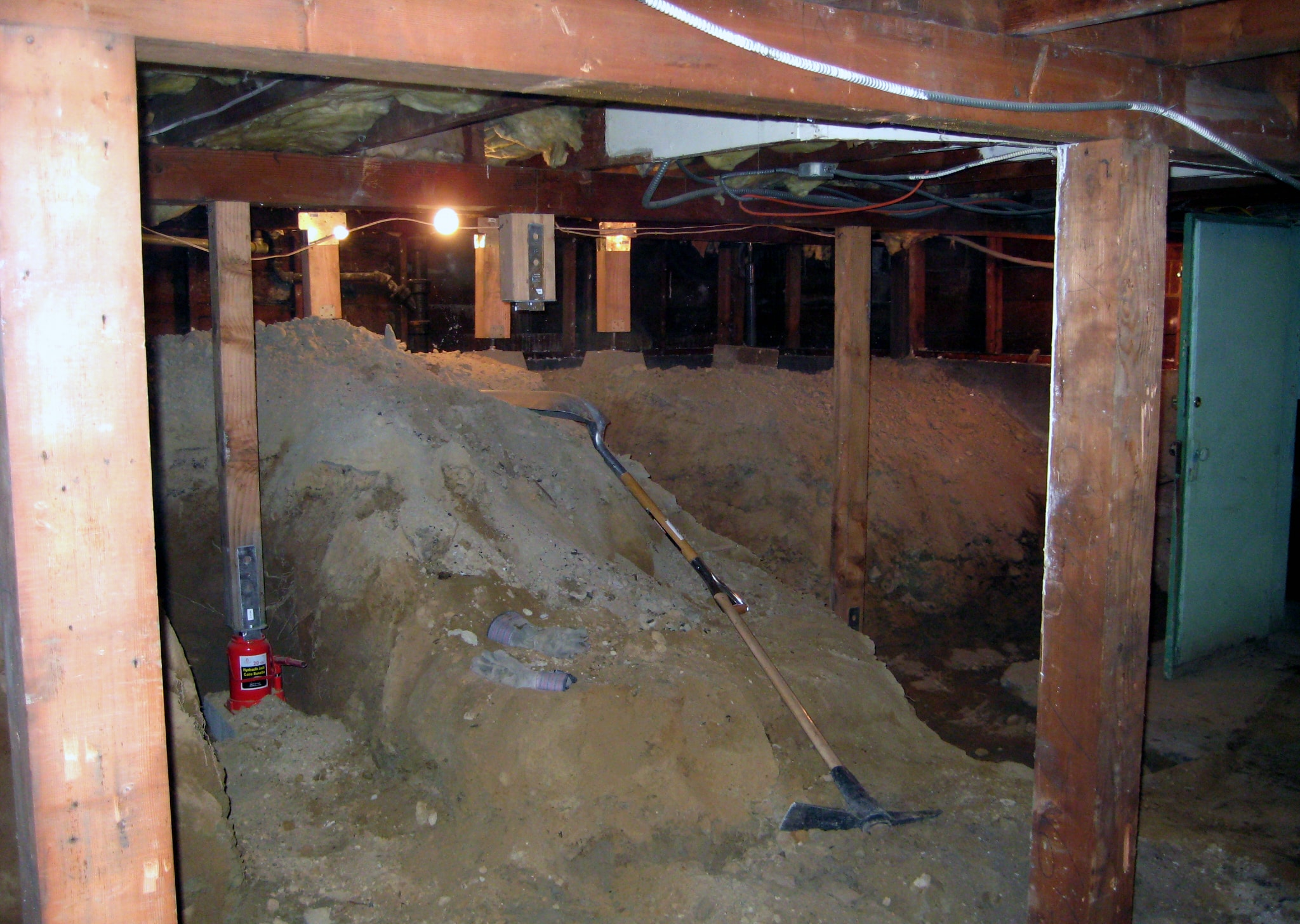
Navigating this decision involves understanding the balance between regular maintenance checks and recognizing when your observations suggest a deeper issue that requires expert evaluation.
This critical juncture emphasizes the importance of best practices for scheduling routine inspections to safeguard your home’s structural health.
Equally vital is discerning when the anomalies you’ve detected during personal walkthroughs—or the aftermath of severe weather events—cross the threshold from minor to significant, mandating the insight of a foundation professional.
It’s within this context that homeowners must judiciously make the call for a comprehensive analysis to ensure the longevity and safety of their property.
Best Practices for Scheduling Regular Inspections
Establishing a schedule for regular foundation inspections is akin to setting up a preventive health check-up for your home. Experts recommend engaging a professional foundation inspector, ideally once every two to three years, to ensure early detection of potential issues. This routine not only keeps minor problems from evolving into significant concerns but also aligns with maintaining your home’s overall well-being and value.
In regions susceptible to drastic climate changes, soil fluctuations, or have a history of foundation problems, increasing the frequency of these assessments may prove beneficial. Coordinating inspections following significant environmental events such as floods, earthquakes, or prolonged droughts can provide peace of mind, ensuring that any impact on your home’s foundation is promptly addressed. Thus, homeowners play a proactive role in safeguarding their property through strategic scheduling.
Making the Call: When DIY Observations Warrant Professional Insight
Determining the right moment for professional intervention stems from a homeowner’s vigilant observation of their home’s foundation signs. When the frequency of issues escalates or the severity of visible damage increases, it’s a clear signal that expert insight is necessary. These observations, especially after significant weather events or when noticeable changes in the home’s structure become apparent, underscore the urgency of seeking a foundation inspector’s expertise.
Upon recognizing signs like widening cracks, doors sticking more than usual, or newly formed gaps between walls and floors, the need for a professional foundation inspection becomes undeniable. These are not mere cosmetic flaws but potential harbingers of underlying structural issues that require immediate attention. Homeowners are tasked with acting swiftly to transition from self-monitoring to professional assessment, ensuring the safety and longevity of their property.

A.M. Shield Waterproofing recently awarded the Basement Health Association STAR Award for exceptional customer care for the fifth year in a row. Servicing Long Island, NYC and Westchester with Nationally Certified Waterproofing and Mold Remediation Specialists they are able to provide the highest level of professional solutions. A.M. Shield has the widest range of services available to property owners in the greater New York area utilizing multiple techniques in exterior foundation waterproofing, interior drainage, foundation crack injections and foundation repair solutions,. A.M. Shield™s environmental division will assess the damage, repair the problem and create a healthy environment for property owners who experience mold or moisture problems.
